
Last updated November 2, 2026
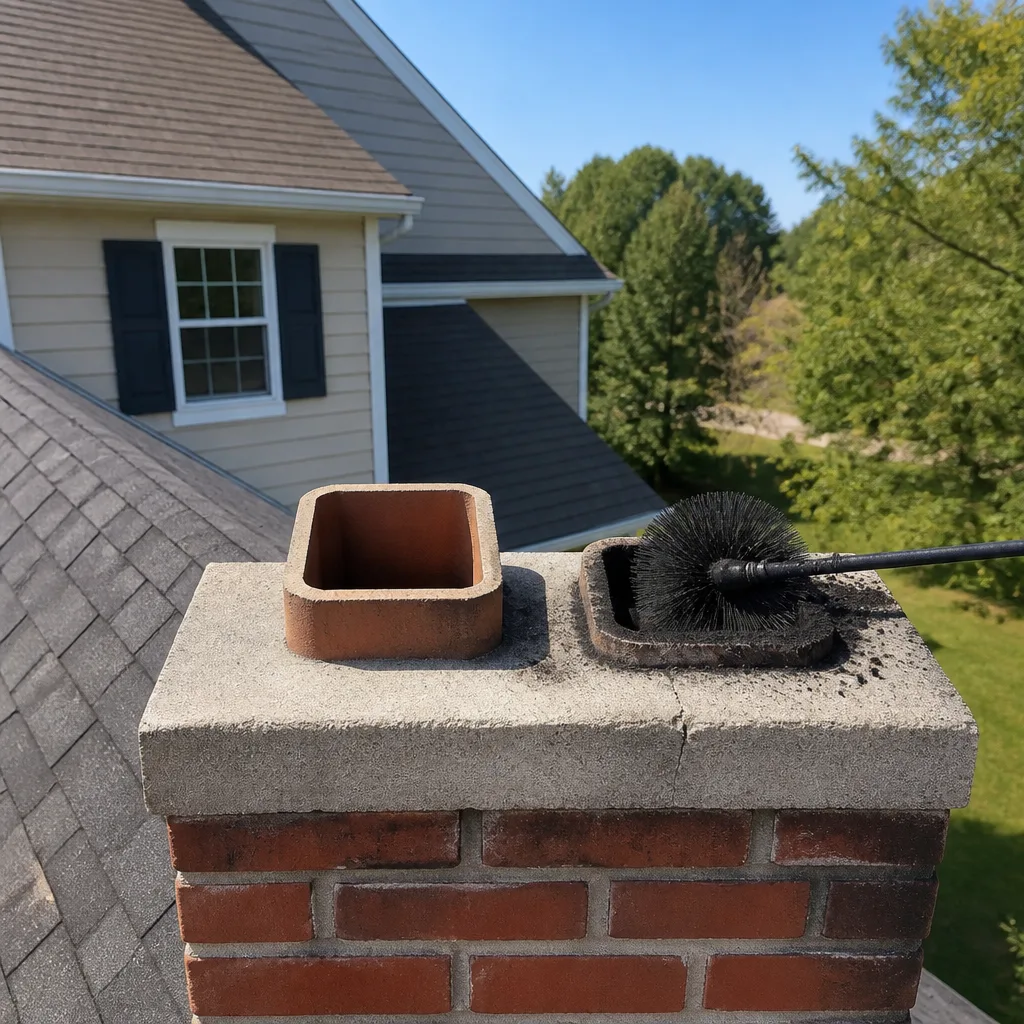 Sweep & inspection
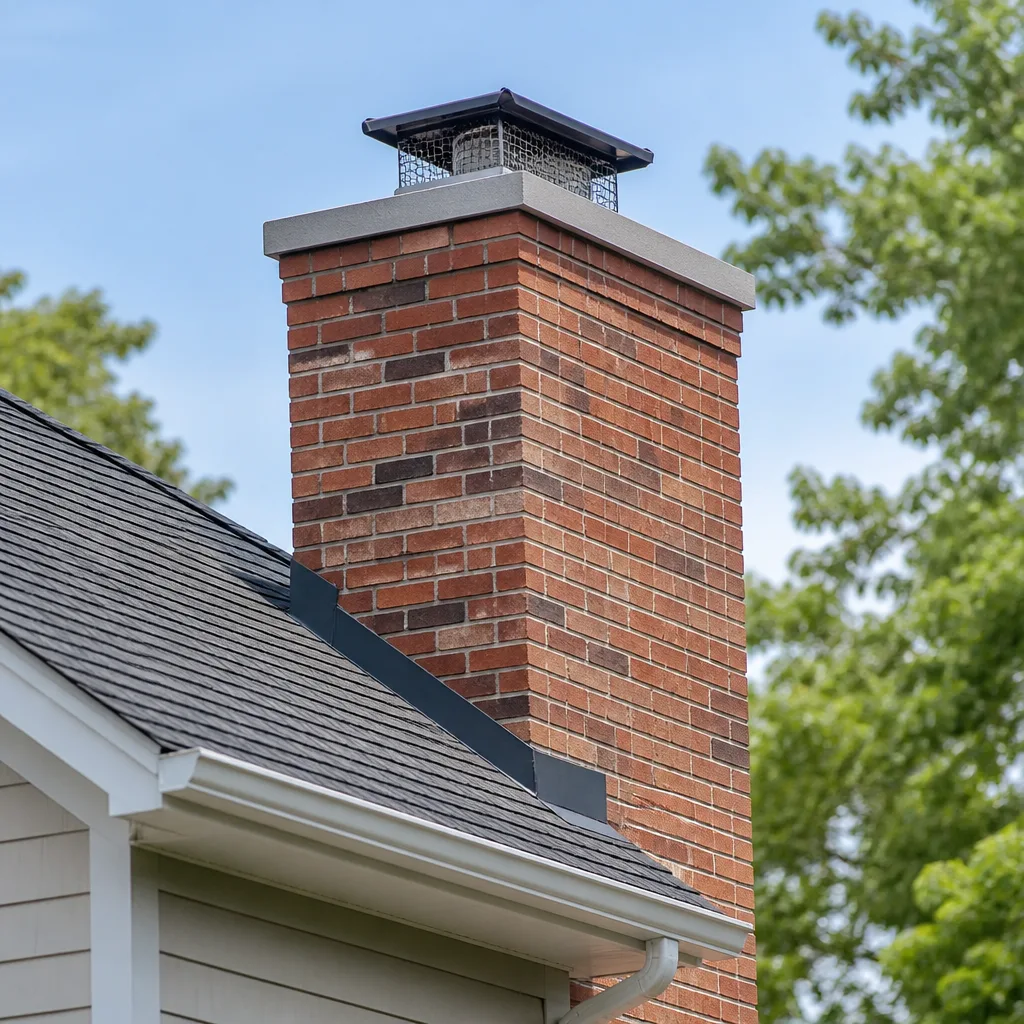 Caps & crowns
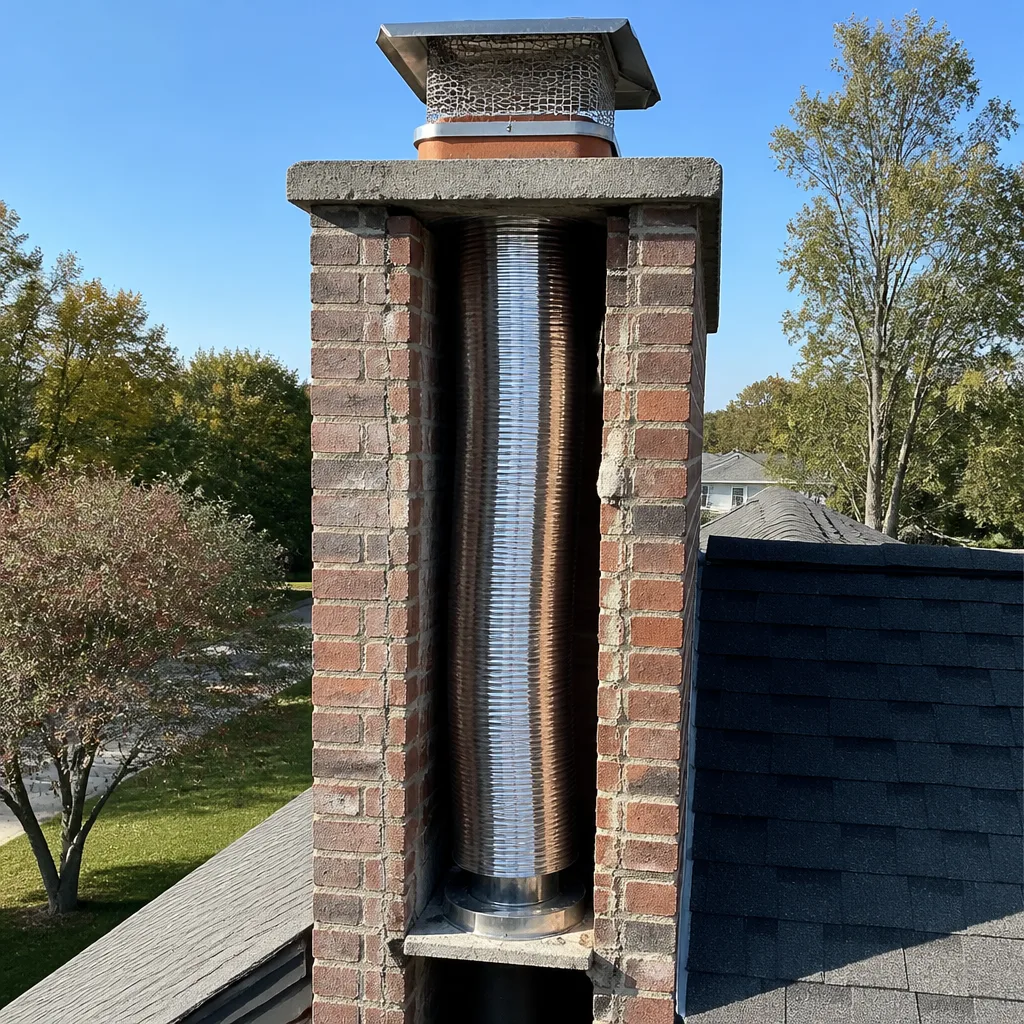 Flue relining
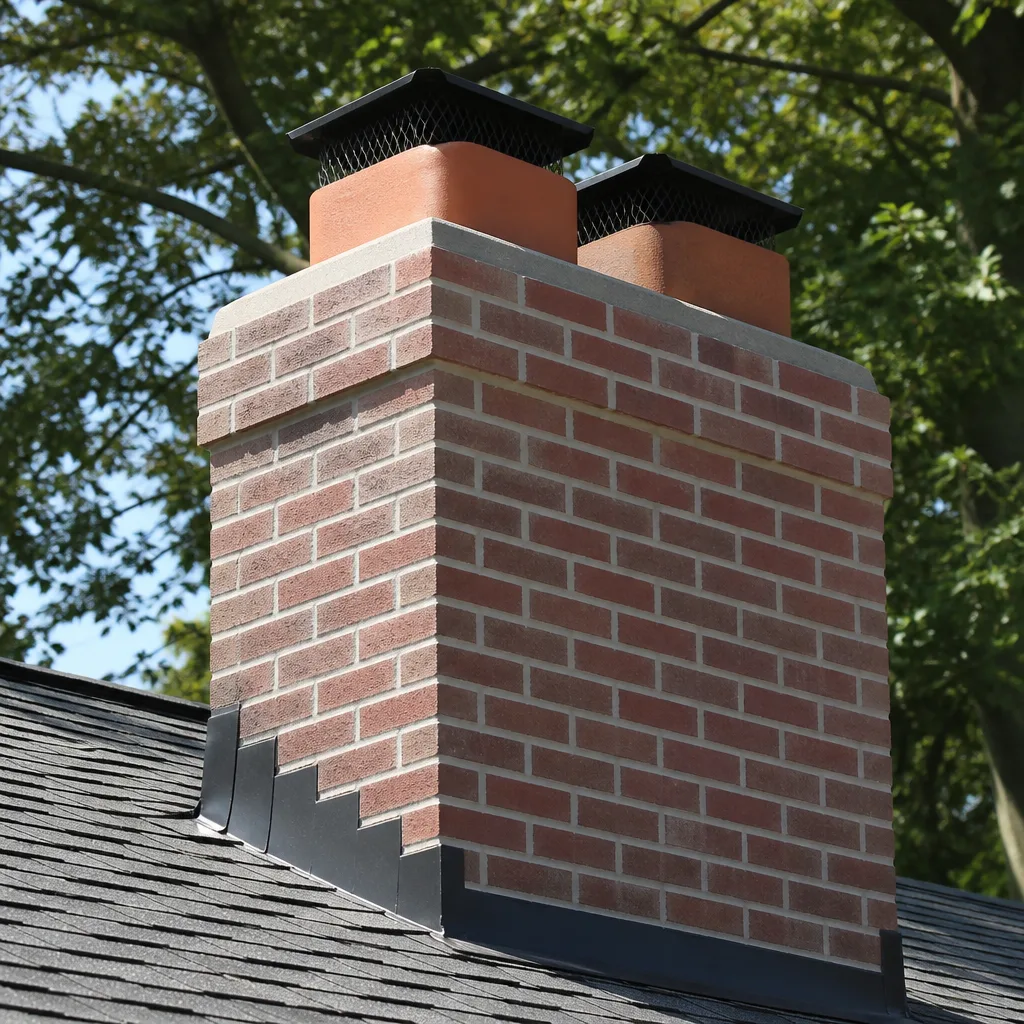 Masonry repair
 Gas fireplace service
Level 1 sweep and inspection to the NFPA 211 annual standard - flue, crown, cap, and flashing checked and photographed
Chimney sweep logs do not sweep chimneys. They loosen some creosote - which then falls where a brush and vacuum still have to collect it.
DIY vs Professional Chimney Cleaning: The Palo Alto Homeowner’s Decision Guide
Most chimney brush kits sold at hardware stores create a false sense of accomplishment. You run the brush up and down, watch some black dust fall into the firebox, and figure the job’s done. But here’s what the box doesn’t tell you: the brush only contacts the flue walls if the diameter matches perfectly, the creosote is at the right stage, and the liner has no offsets that catch the bristles. A homeowner in Palo Alto with a 1970s masonry chimney can scrape loose soot from the accessible run while a cracked clay tile ten feet up goes completely untouched. That’s the gap this guide closes. We’ll walk you through exactly what DIY can and cannot accomplish, the one scenario where it’s actually reasonable, and the decision framework that tells you which path applies to your fireplace. For seasonal chimney cleaning care in Palo Alto, timing and awareness matter as much as technique.
Quick Answer
DIY chimney cleaning is only appropriate for a wood-burning fireplace used fewer than 10 times per year, with confirmed Stage 1 creosote and a liner that’s been camera-inspected within the last 12 months. Every other situation in Palo Alto, including gas fireplaces, frequent wood burning, Stage 2 or 3 creosote, pre-1980 clay tile liners, or any sign of water damage, warrants a professional sweep with camera inspection and proper containment. The cost difference between a brush kit and a professional sweep is small compared to the cost of missing a cracked liner or a creosote fire risk.
Styles & brands we work with
- Sweep & inspection
- Caps & crowns
- Flue relining
- Masonry repair
- Gas fireplace service
Table of Contents
- What DIY Can Actually Do (And Where It Fails)
- The One Scenario Where DIY Makes Sense
- The Real Costs: DIY vs Professional in Palo Alto
- Why Palo Alto’s Older Housing Stock Changes Everything
- Insurance and Liability: What Happens After a DIY Chimney Fire
- What We See With a Camera That You Can’t See From Below
- The Decision Tree: Four Questions That Tell You What to Do
- The Tools and Process Professionals Use (And Why They Matter)
What DIY Can Actually Do (And Where It Fails)
A homeowner with a basic brush kit, a drop cloth, and a shop vacuum can remove loose, powdery soot from the first few feet of flue directly above the damper. That’s a real thing, and it’s not nothing. Light soot accumulation from occasional fires doesn’t bond to the flue walls, and a stiff-bristled brush run through a straight section of chimney will knock it down. If the fireplace has been used a handful of times, the creosote is Stage 1 (flaky, feather-light, brushes off with finger pressure), and the flue is a straight shot with no bends, the accessible portion will come reasonably clean.
What DIY cannot do:
- See the upper flue. The section of liner above the smoke shelf is invisible from the firebox. You cannot assess its condition without a camera.
- Assess glaze creosote. Stage 3 creosote looks like black glass, bonds to the liner, and will not yield to a wire brush. It requires chemical treatment or specialized rotary tools.
- Confirm liner integrity. A cracked clay tile, a separated joint, or a spalled section is invisible from below. The brush will pass over it, and you’ll never know.
- Remove Stage 2 creosote. The crusty, flaky-but-adhered buildup that forms from regular burning needs more than elbow grease.
- Contain the dust. Chimney soot is fine enough to pass through standard shop-vac filters. It will find its way into the living room, the furniture, and your lungs.
The honest summary: you can remove some loose soot from the bottom of the flue. You cannot diagnose, quantify, or safely remediate anything beyond that. For a full Chimney Sweep in Palo Alto, the value is what happens before and after the brushing, not the brushing itself.
The One Scenario Where DIY Makes Sense
We’ll say it plainly: if all of the following are true, a careful homeowner with the right brush and reasonable expectations can handle the job. That person exists, and this guide is not here to tell them otherwise.
- The fireplace is wood-burning and gets used fewer than 10 fires per season.
- The chimney was camera-inspected within the last 12 months and no liner damage or Stage 2+ creosote was noted.
- The creosote present is visually confirmed as Stage 1: flat black or brown, dusty, and flaky, not shiny or crusty.
- The flue is a straight vertical run with no factory-built offsets, and the brush diameter matches the flue dimensions exactly.
- The homeowner has a HEPA-rated vacuum and proper dust containment, not a standard shop vac.
- The house has a carbon monoxide detector in service within 10 feet of the fireplace.
Here’s the reality: in our experience serving Palo Alto homes, fewer than one in ten wood-burning fireplaces meets all six criteria. Most see more use than the owner estimates. Most liners are older than the owner realizes. And most brush kits sold at big-box stores are one-size-fits-most, which in chimney work means one-size-fits-wrong. The brush has to match the flue diameter. A 6-inch brush in an 8-inch flue cleans about 60% of the circumference and leaves a stripe of creosote running the full height of the liner.
If you meet the criteria and choose to DIY, you should still plan on a professional inspection every other year. Creosote conditions change. Liners deteriorate. What was true 24 months ago may not be true now.
The Real Costs: DIY vs Professional in Palo Alto
Palo Alto homeowners tend to run the numbers before deciding. Here is the honest math, based on what we see in the local market and what hardware retailers actually charge for this equipment.
A basic DIY chimney cleaning kit costs between $50 and $120 at a Palo Alto area hardware store. That typically includes a poly brush, a set of fiberglass extension rods, and sometimes a plastic tarp. The kit does not include a HEPA vacuum (a real one runs $300 to $800), a respirator rated for fine particulate (another $30 to $60), or a camera inspection, which is not available at any retail price for homeowner use.
A professional sweep from Chimney Cleaning Palo Alto home services includes the brushing, full HEPA containment, the vacuuming, the firebox and smoke shelf cleaning, and most critically, the inspection. Pricing for a standard open-flue sweep in Palo Alto generally runs from $200 to $400 depending on flue height, creosote stage, and whether the chimney is masonry or factory-built. Camera inspection runs $100 to $200 when ordered separately, though many companies include basic visual inspection with the sweep.
The DIY math looks like this:
- Brush kit: $50 to $120
- HEPA vacuum (assuming you don’t own one): $300+
- Respirator: $30 to $60
- Your time: 2 to 3 hours for a first-timer
- What you still don’t have: a diagnosis of the liner, the smoke shelf, the crown, or the flashing
The professional math: one visit, one price, a clean chimney, and enough information to know whether the chimney is actually safe to use. The cost gap is narrower than most homeowners assume, and the value gap is enormous. We understand the appeal of saving money. We also know what a missed Chimney Repair in Palo Alto issue costs when it becomes a fire or a carbon monoxide leak.
Why Palo Alto’s Older Housing Stock Changes Everything
Palo Alto’s housing stock tells a specific story, and that story matters for chimney decisions. A significant portion of single-family homes in neighborhoods like Professorville, Midtown, Crescent Park, and College Terrace were built between the 1920s and 1970s. Those chimneys, when masonry, were built with clay tile liners. Clay tile was the standard of its era, and it has a design life of roughly 50 to 70 years.
The math is straightforward. A home built in 1965 has a clay tile liner that is now 60+ years old. It may be intact. It may have hairline cracks. It may have separated joints where the tiles were mortared together. Without a camera, none of that is visible, and every one of those failure modes creates a path for heat, gas, and embers to reach combustible framing.
This matters for DIY specifically because of what happens when you run a brush through a damaged clay liner. The bristles catch on the cracked edges. A fragment of tile chips loose. Sometimes the brush knocks a separated tile entirely out of position, leaving a gap behind it. The homeowner has no way to know this happened. They finish, clean up, pat themselves on the back, and light a fire in a chimney that’s now more hazardous than before they started.
We’ve also seen the California climate at work. The wet winter, dry summer cycle in the Bay Area creates thermal expansion and contraction that stresses mortar joints. The hillside lots common in Palo Alto shift subtly over decades, and masonry chimneys shift with them. Tiny cracks open and close. A pre-1980 chimney in this climate is a candidate for professional inspection every single time, not because the homeowner should be afraid, but because the material is old and the failure modes are invisible from below.
Insurance and Liability: What Happens After a DIY Chimney Fire
This is the section most DIY guides skip, and it’s the one that matters most on the back end. If a chimney fire occurs in a home where the owner performed their own cleaning, the homeowner’s insurance claim faces more scrutiny than a claim involving a professionally maintained chimney.
California homeowners insurance policies generally require the homeowner to maintain the property in a reasonably safe condition. When a chimney fire originates from creosote buildup, the insurer’s adjuster will ask who last cleaned the chimney and when. A homeowner who says “I did it myself” is frequently asked for records: what was done, what was inspected, what was found, and how the flue condition was verified.
A professional sweep produces a dated report. It shows what was removed, what was found, and what was recommended. That document is the single strongest piece of evidence a homeowner can produce in the event of a fire claim. It demonstrates reasonable maintenance. A DIY job produces no such record, and the absence of one can shift the claim from covered peril to maintenance failure.
There’s also the matter of what a fire department investigation records. If the Palo Alto Fire Department responds to a chimney fire and the cause is determined to be creosote ignition, that report becomes part of the claim file. A professional maintenance history doesn’t make the claim go away, but it positions the homeowner as having acted responsibly. The same cannot be said for an unverifiable DIY cleaning.
We are not attorneys, and this is not legal advice. What we can say from years of working on Palo Alto chimneys: the homeowners who call us after a close call almost always wish they’d had a documented professional service on record rather than a brush kit in the garage.
What We See With a Camera That You Can’t See From Below
The single biggest gap between DIY and professional is not the cleaning. It’s the seeing. When we sweep a Palo Alto chimney, the camera goes in before the brush. That order matters. The camera documents the pre-existing condition, and that documentation is what tells us whether the chimney is safe to use and what the sweep needs to address.
Here’s what a routine camera inspection finds in Palo Alto homes on a regular basis:
- Hairline cracks in clay tile liners. These develop from decades of heating and cooling cycles. They’re invisible without a camera.
- Separated mortar joints. The mortar between clay tiles fails over time, leaving gaps where heat and combustion gases can reach the surrounding masonry.
- Spalled tiles. When moisture gets into the clay, it expands under heat and causes the surface to flake or break. This is common in older Bay Area chimneys.
- Bird nests and animal debris. Palo Alto’s tree canopy and older neighborhoods are prime territory for nesting birds. A blocked flue is a carbon monoxide hazard.
- Stage 2 and Stage 3 creosote. What looks like a “little buildup” from the firebox is often a hard, baked-on glaze on the upper flue, where the flue gases cool and condense.
- Rusted damper assemblies. Rain, humidity, and creosote combine to corrode dampers, which then fail to seal or fail to open fully.
When we find a deteriorated liner in a Palo Alto home, our response isn’t always a full replacement. For masonry flues with internal surface damage, we offer HeatShield resurfacing: a ceramic coating applied to the flue interior that restores a smooth, fire-resistant surface without tearing out the original liner. For liners that are no longer structurally sound, we install DuraFlex flexible liner systems, the standard for relining chimneys with damaged or inadequate flues. Both options exist because Palo Alto’s housing stock needs them, and neither is discoverable without a camera. A homeowner with a brush kit will never know these options exist, let alone whether they’re needed.
The Decision Tree: Four Questions That Tell You What to Do
We’ve written this guide because homeowners deserve a clear, honest framework, and we maintain more guides & resources for Palo Alto chimney care. Here it is. Answer these four questions in order. By the end, you’ll know which path applies to your Palo Alto home.
Question 1: How many fires did you burn last season?
If fewer than 10, and you can say that with confidence, you may be a candidate for DIY. If more than 10, or you’re not sure, the creosote is likely past Stage 1. Proceed to a professional sweep. Most people burn more than they remember.
Question 2: When was the liner last camera-inspected?
If the answer is “within the last 12 months” and the report showed no damage and no Stage 2+ creosote, you have a real possibility of DIY. If the answer is “never” or “more than two years ago,” you are flying blind. A chimney that has not been camera-inspected is not a DIY candidate. No exceptions.
Question 3: How old is the home?
If the house was built before 1980 and has a masonry chimney, it almost certainly has a clay tile liner that’s at or past its design life. This is not a scare statement; it’s a material fact. Pre-1980 Palo Alto chimneys deserve a professional camera inspection before any cleaning method is chosen, including DIY. The brush won’t just fail to diagnose a problem; it may make it worse.
Question 4: Can you tell what stage the creosote is?
Shine a flashlight up the flue from the firebox. If you see flaky, dusty, brown or black soot that looks like it would brush off easily, that’s Stage 1. If you see crusty, hardened, or glazed shiny deposits, that’s Stage 2 or 3, and no wire brush will remove it. You need chemical treatment or rotary cleaning, which is professional territory.
If you answered “yes” to all four DIY conditions: you’re the rare homeowner who can safely do this. If you answered “no” or “not sure” to any of them: the decision has already been made. Book a professional sweep and get the camera report. For a full-service Dryer Vent Cleaning in Palo Alto or chimney service, we’re one call away.
The Tools and Process Professionals Use (And Why They Matter)
The difference between a professional sweep and a homeowner with a brush kit is not effort or intent. It’s equipment. Here’s what the professional process actually involves and why each component exists.
Step 1: Site Protection and Containment
Before anything else, the firebox opening is sealed. Professional chimney sweeps use tarps, magnetic covers, and HEPA-filtered negative-air systems to keep soot from entering the living space. The vacuum is running the entire time. A standard shop vac, even with a fine-dust bag, does not capture the sub-micron particles in chimney soot. HEPA filtration captures 99.97% of particles at 0.3 microns, and that’s the only standard that matters for residential air quality.
Step 2: Camera Inspection
The camera goes up before the brush. In Palo Alto’s older homes, this step has uncovered liner cracks, animal nests, and hidden creosote buildup that would have been invisible and dangerous. The pre-sweep condition is documented in photos and video, and that documentation becomes the benchmark for what the sweep achieves.
Step 3: Mechanical Cleaning
For Stage 1 and Stage 2 creosote, the brush does the work: wire or poly brushes matched exactly to the flue dimensions, run from the top down or the bottom up depending on the chimney configuration. For Stage 2 crusts and Stage 3 glaze, simple brushing is not enough. Rotary cleaning heads with metal chains or carbide-tipped whips break through the baked-on deposits. Chemical treatments like anti-creosote sprays are applied in Stage 2 cases to break down the hardened residue between cleanings.
Step 4: Smoke Shelf and Firebox Cleaning
The smoke shelf, the flat area just above the damper, collects more debris than any other part of the system. It’s completely invisible from the firebox and almost never addressed by a homeowner with a brush. Professional sweeps clean it thoroughly because embers and creosote there are a direct fire risk.
Step 5: Post-Clean Verification
The camera goes in again after cleaning. The flue should be visibly free of buildup, the liner condition documented, and any deterioration noted and photographed. This is the report a homeowner keeps for insurance purposes. It’s also the moment when we make a call: is the liner safe to use as-is, does it need HeatShield resurfacing for surface damage, or does it need a DuraFlex reline for structural failure? Those decisions cannot be made without seeing the flue after cleaning, and they cannot be made at all with a hardware store brush kit.
We also work with components from Olympia Chimney, Famco, and Gelco when repairs or caps are needed. These are the names the trade uses, the materials that hold up over decades, and the reason we can repair what we find rather than referring it out.
Common Mistakes to Avoid
- Skipping the inspection and going straight to the brush. The camera inspection is the point of the service. Cleaning a chimney you’ve never inspected is like treating an injury you’ve never diagnosed.
- Using the wrong brush diameter. A brush that’s too small leaves a stripe of creosote. A brush that’s too large can jam and damage the liner. Match the brush to the flue, not the firebox.
- Running a brush through a pre-1980 Palo Alto clay tile liner without a camera inspection. Older clay liners crack. Brushes catch the cracks. Tiles chip and dislodge. The homeowner never sees it, and the chimney is now worse off than before.
- Confusing a clean firebox for a clean flue. The firebox is the part you can see. The flue is the part that matters for fire safety. Cleaning the first and ignoring the second is theater, not maintenance.
- Assuming gas fireplaces need the same cleaning as wood. Gas fireplaces produce different deposits and different risks. They don’t need creosote removal, but they absolutely need burner inspection, venting checks, and carbon monoxide verification.
- Neglecting the dryer vent while obsessing over the chimney. Dryer vents are a leading cause of residential fires, and most chimney-focused companies ignore them entirely. If you’re thinking about fire safety, the dryer vent belongs in the same conversation.
- Buying a chemical “creosote remover” log and expecting it to clean the chimney. These products can reduce some Stage 2 creosote over time, but they are not a substitute for mechanical cleaning. They don’t remove hardened deposits, and they don’t diagnose liner condition.
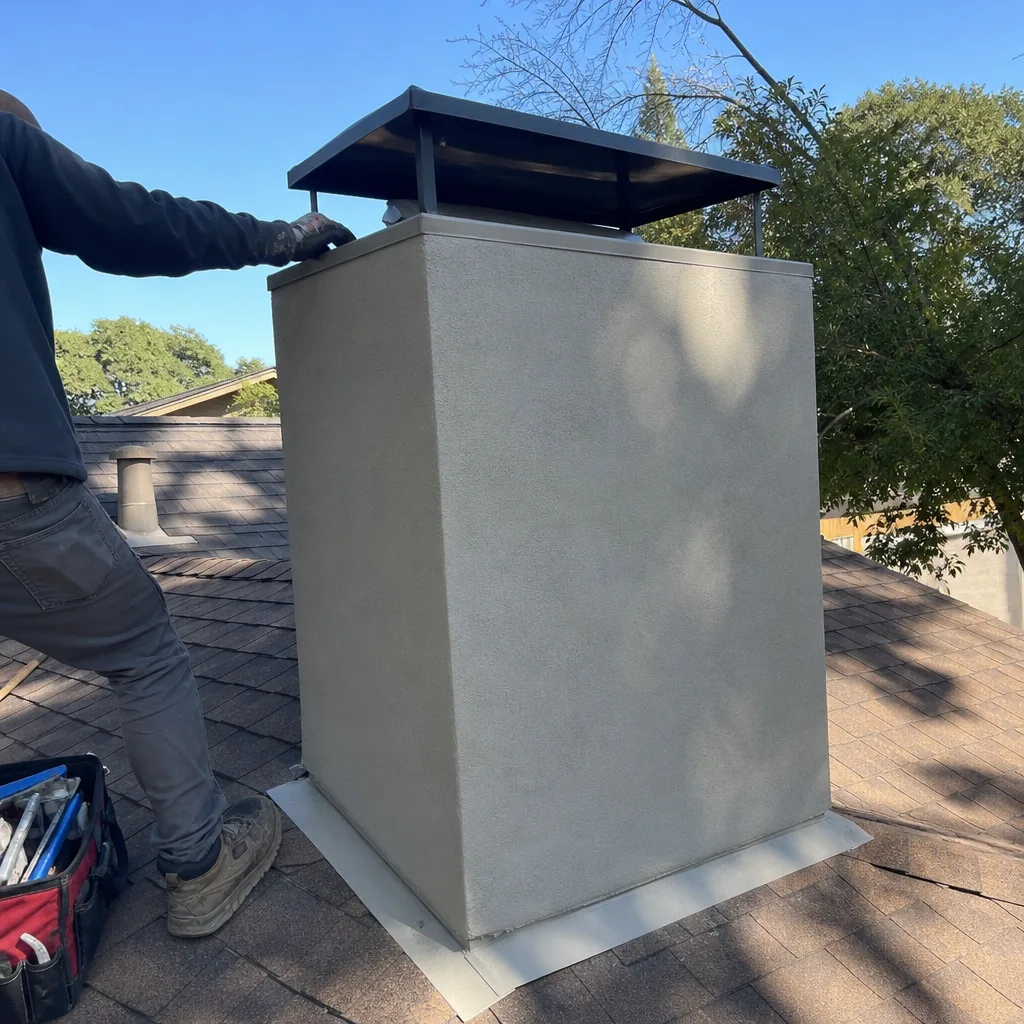
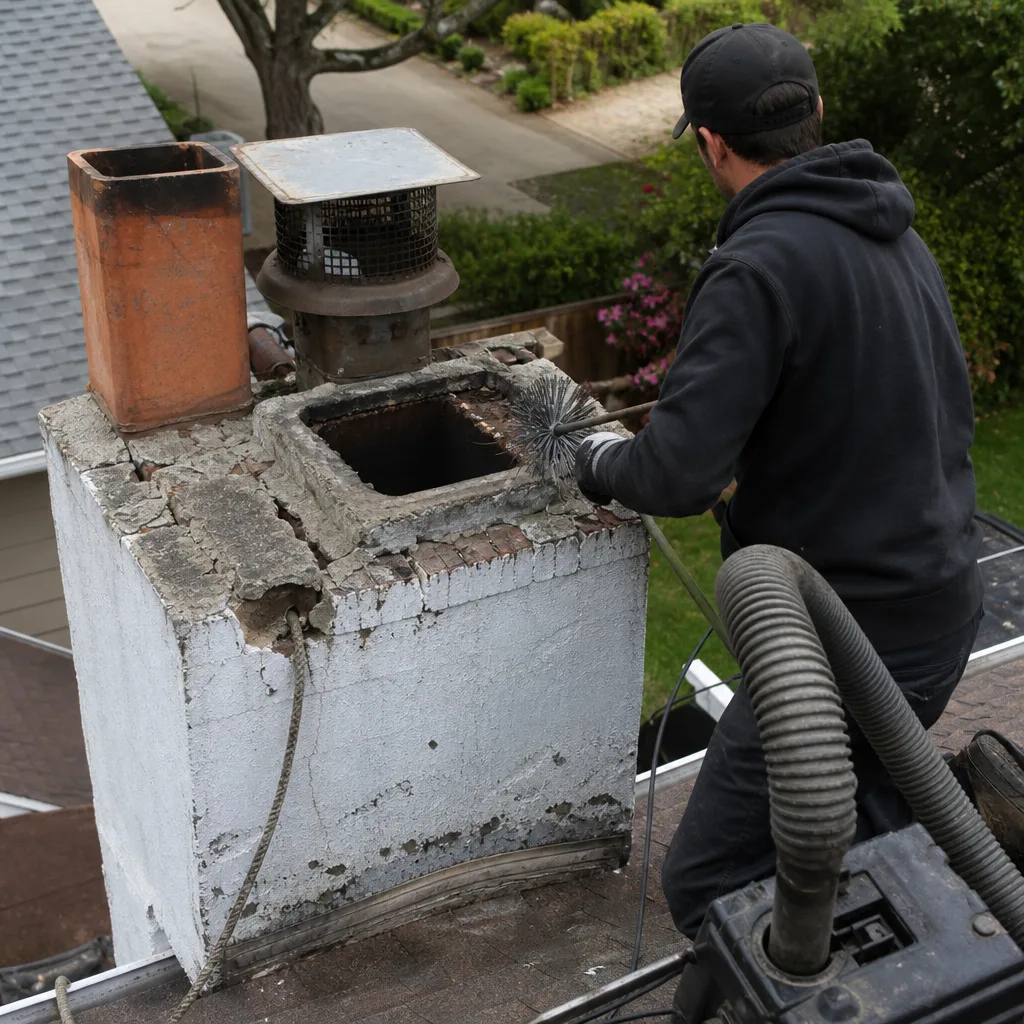
See the difference
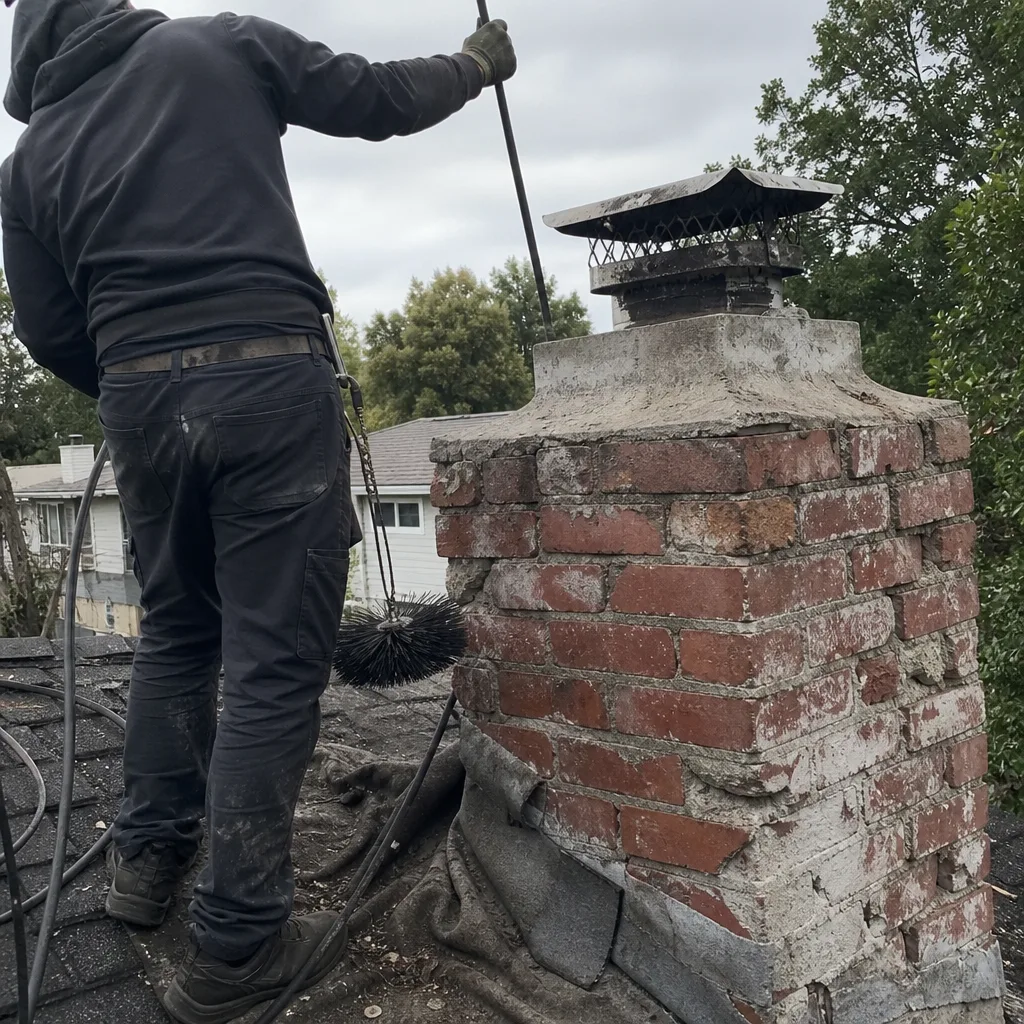 Before
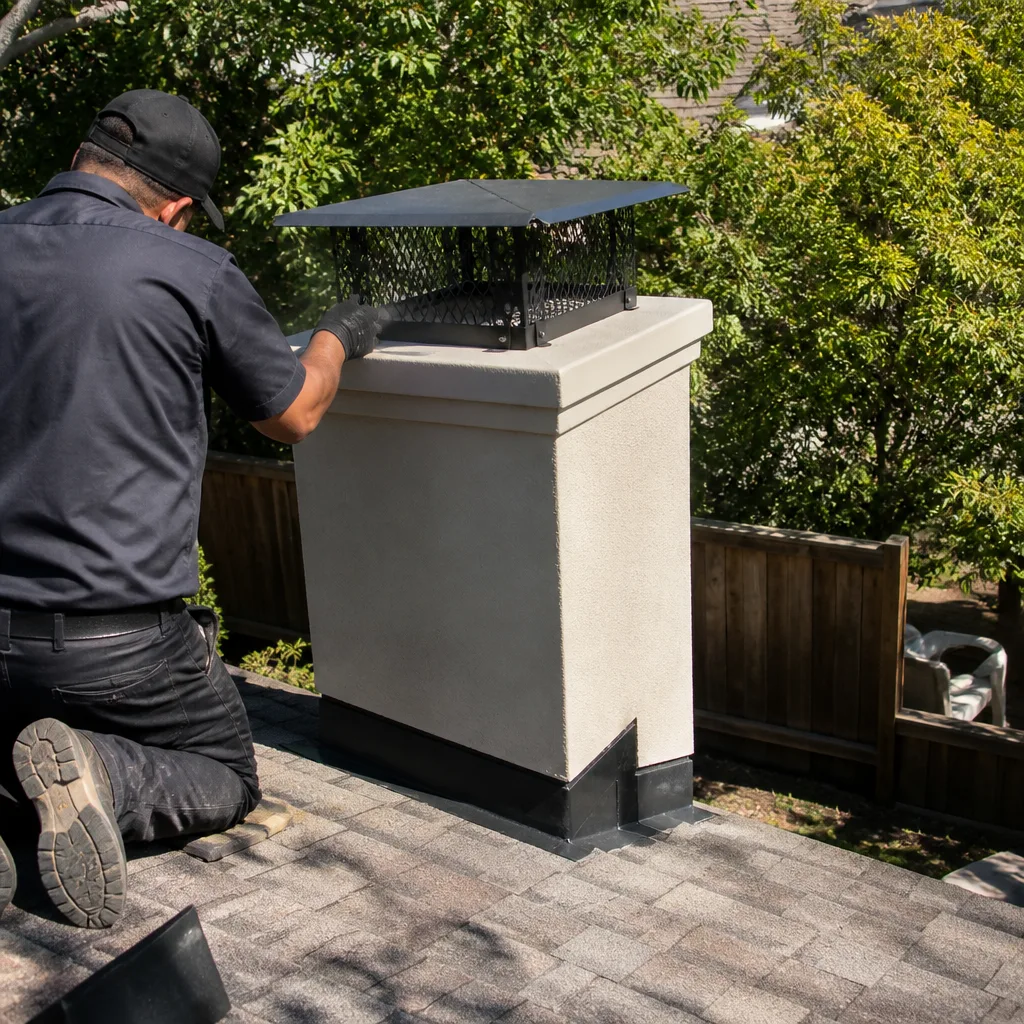 After
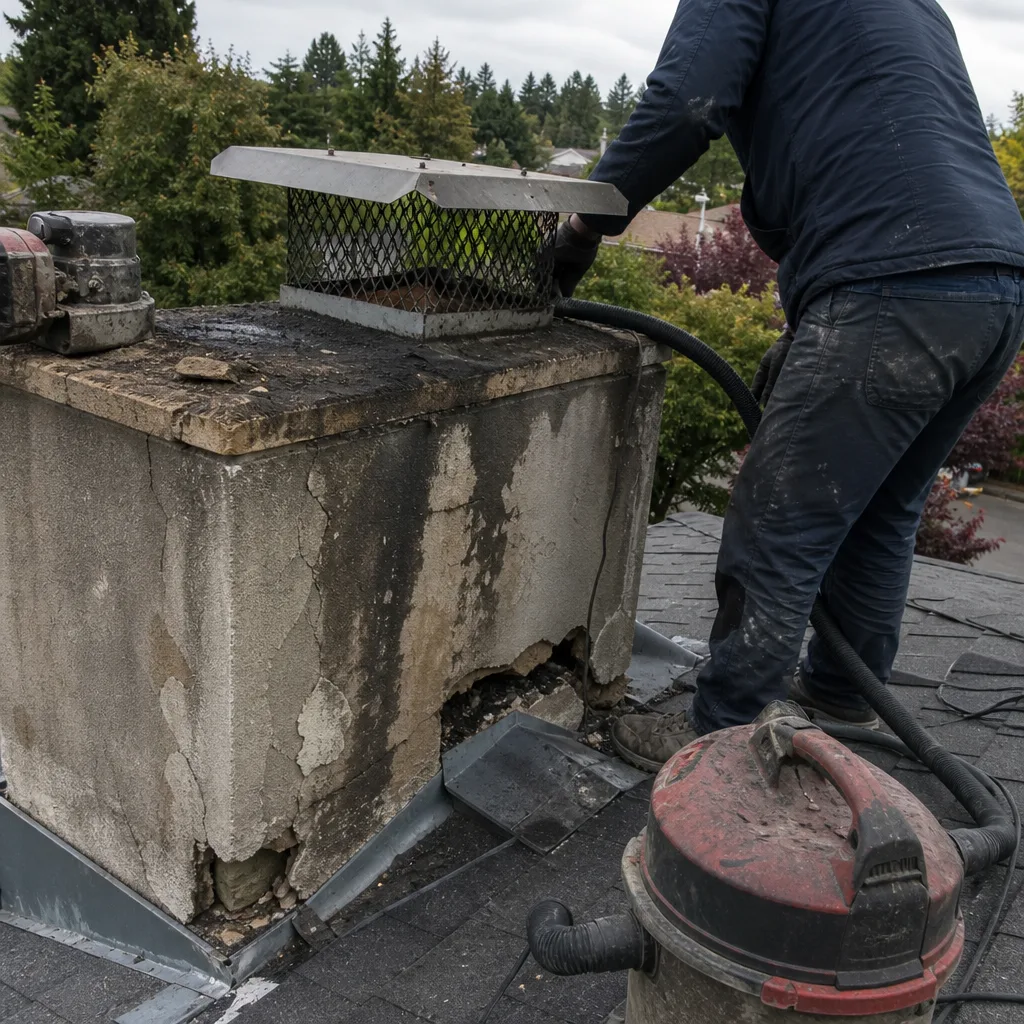 Before
 After
 Before
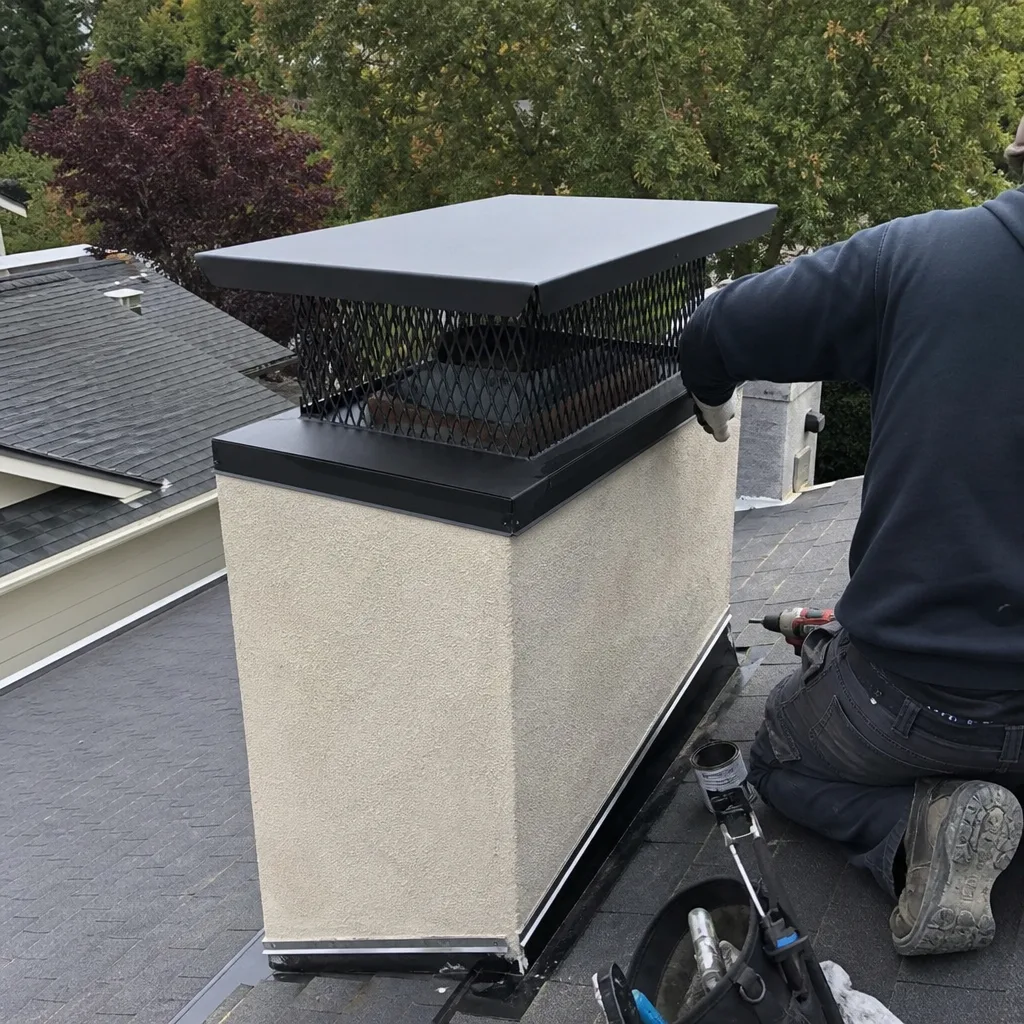 After
When to Call a Professional
Call a professional if any of these apply: your Palo Alto home was built before 1980 and has a masonry chimney; you burn more than 10 fires a season; you see shiny or crusty creosote when you shine a light up the flue; you smell smoke in the house after the fire is out; you notice water stains on the ceiling near the chimney; or you simply haven’t had a camera inspection in the last two years. None of these situations gets better with a brush kit. All of them get clarified, quickly and affordably, with a professional sweep and camera report. Chimney Cleaning Palo Alto home offers free estimates in Palo Alto. Call (833) 620-7463 to schedule yours.
Frequently Asked Questions
A standard chimney sweep in Palo Alto typically runs between $200 and $400 for an open-flue wood-burning fireplace, depending on flue height, creosote stage, and whether the chimney is masonry or factory-built. Camera inspection adds $100 to $200 when not bundled with the sweep. The cost varies by home, but every estimate is free and the price is confirmed before work begins. Call (833) 620-7463 for an exact quote on your Palo Alto chimney.
The answer depends on how much you burn and what kind of fires they are. Occasional fires in a well-maintained flue may only produce light Stage 1 soot. Regular burning, especially of unseasoned wood or in a cool climate like Palo Alto’s coastal evenings, produces Stage 2 creosote that hardens into a crust and eventually Stage 3 glaze. Stage 3 is a fuel source. If a chimney fire happens, it can reach temperatures above 2,000°F, crack the liner, and spread to framing. If you’ve skipped more than two seasons, call (833) 620-7463 for a camera inspection and sweep. The estimate is free, and you’ll know exactly what you’re dealing with.
Not always. Minor surface damage to a clay tile liner can often be addressed with HeatShield resurfacing, a ceramic coating applied to the flue interior that restores a smooth, fire-resistant surface. Structural failure, where the tiles have separated or collapsed, typically requires a DuraFlex liner system. The decision can only be made with camera evidence, and a good chimney company will show you the footage and let you decide. Nothing is recommended without proof you can see.
The National Fire Protection Association recommends a sweep when creosote buildup reaches 1/8 inch, but as a practical rule, any wood-burning fireplace in Palo Alto should be inspected and swept annually if it’s used at all. Gas fireplaces should be checked annually for burner function, venting, and carbon monoxide. If you’re in a pre-1980 home with a masonry chimney, annual camera inspection is the only way to catch liner deterioration before it becomes a hazard.
No, and the differences matter. Gas fireplaces don’t produce creosote, so the brushing that wood-burning flues require isn’t relevant. But gas systems have their own issues: burner clogging, venting restrictions, pilot assembly failure, and carbon monoxide production if the system isn’t venting properly. Gas fireplace maintenance is inspection and testing, not brushing. It’s a different service with different tools.
Most chimney-only companies won’t touch it. We do. Dryer Vent Cleaning in Palo Alto is a dedicated service line for us because dryer vents are a leading cause of residential fires, and the same homeowner who maintains their chimney often overlooks the dryer entirely. One company for the sweep, the repair, and the dryer vent: no handoffs, no gaps.
The Bottom Line
Palo Alto homeowners fall into two categories: those who qualify for DIY chimney cleaning and those who don’t. If you burn fewer than 10 fires a season, have a camera-inspected liner from the last 12 months, confirm Stage 1 creosote with a flashlight, and live in a home built after 1980 with a straight flue, a careful DIY job is defensible. Everyone else should hire a professional, not because DIY is shameful, but because the risk structure is different. In a pre-1980 Palo Alto home with a clay tile liner, a brush without a camera is the wrong tool in the wrong hands. The right approach is a professional sweep with camera documentation, materials-grade repair when needed, and a record for your insurance file. Call (833) 620-7463 for a free estimate, and we’ll tell you honestly which path applies to your chimney.
Written by the team at Chimney Cleaning Palo Alto, serving Palo Alto since 2018.