

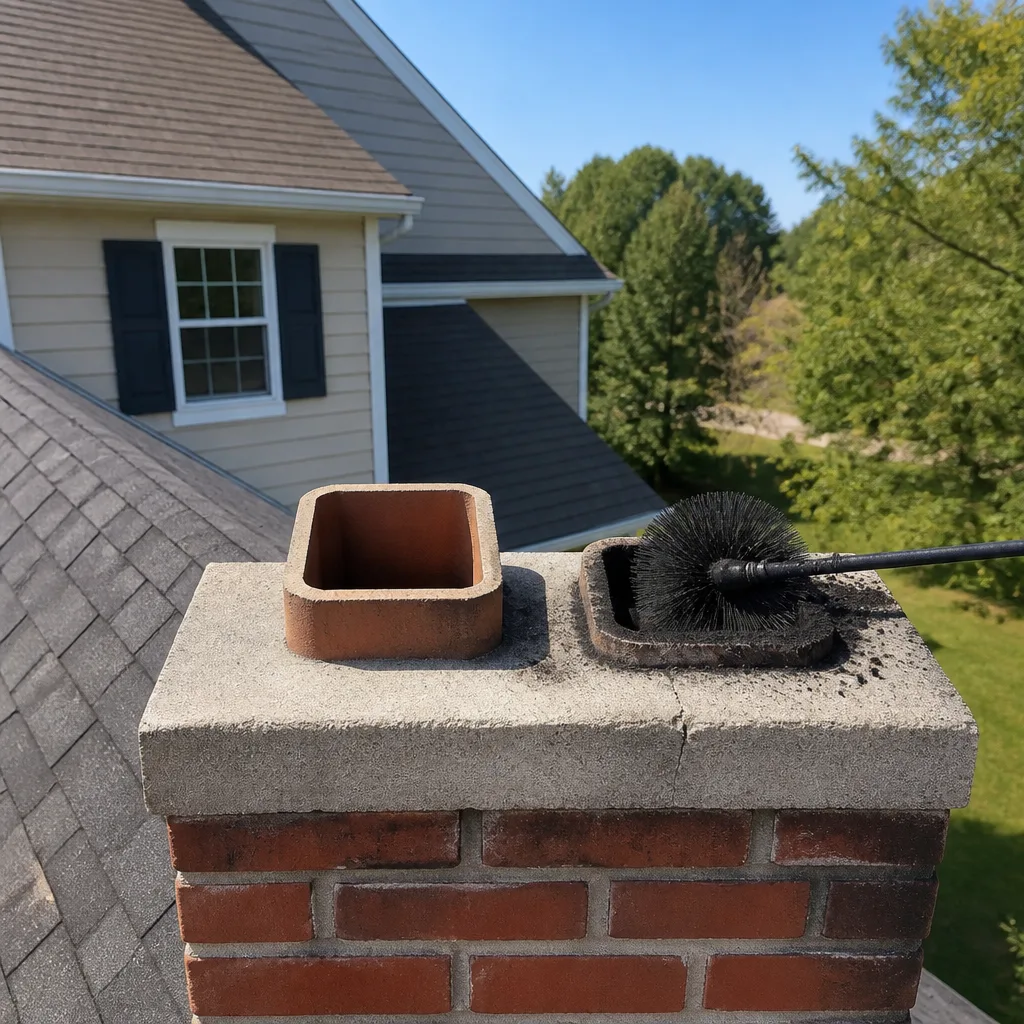
 Sweep & inspection
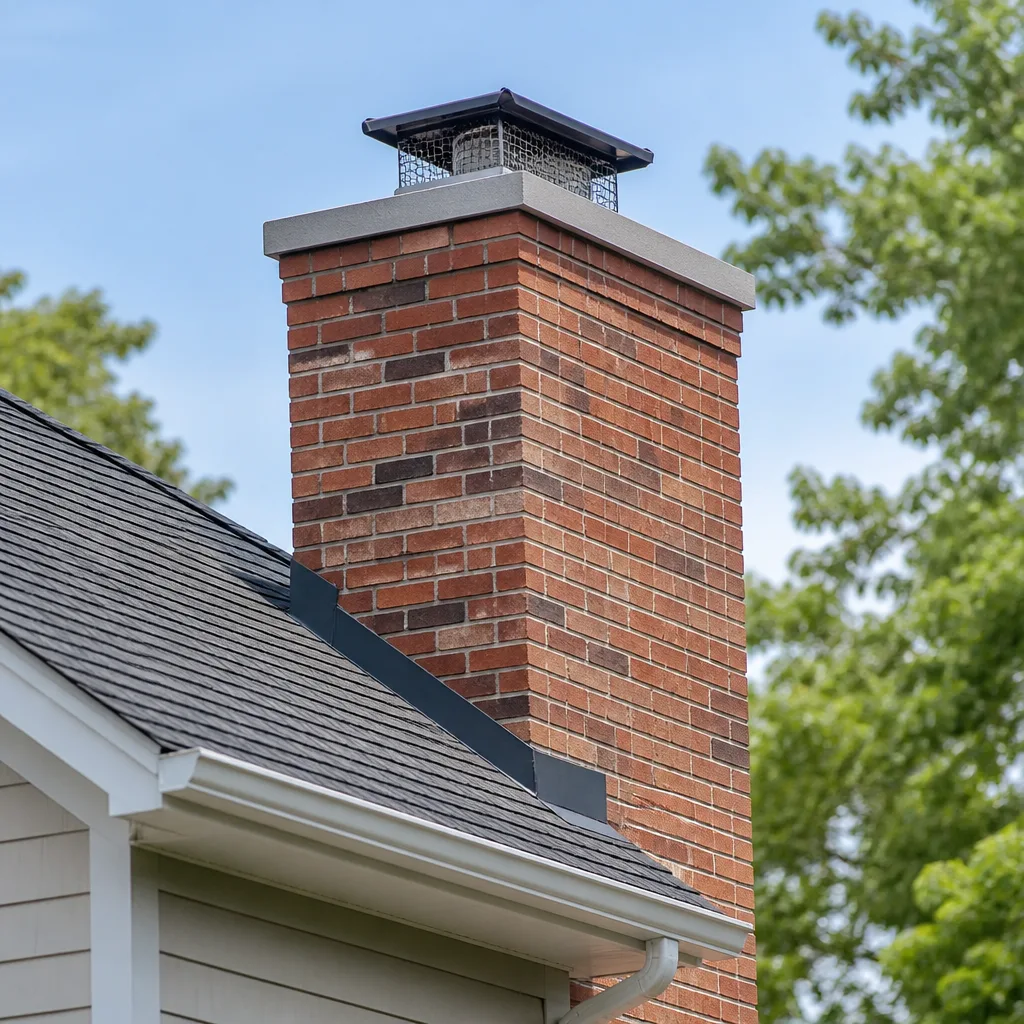 Caps & crowns
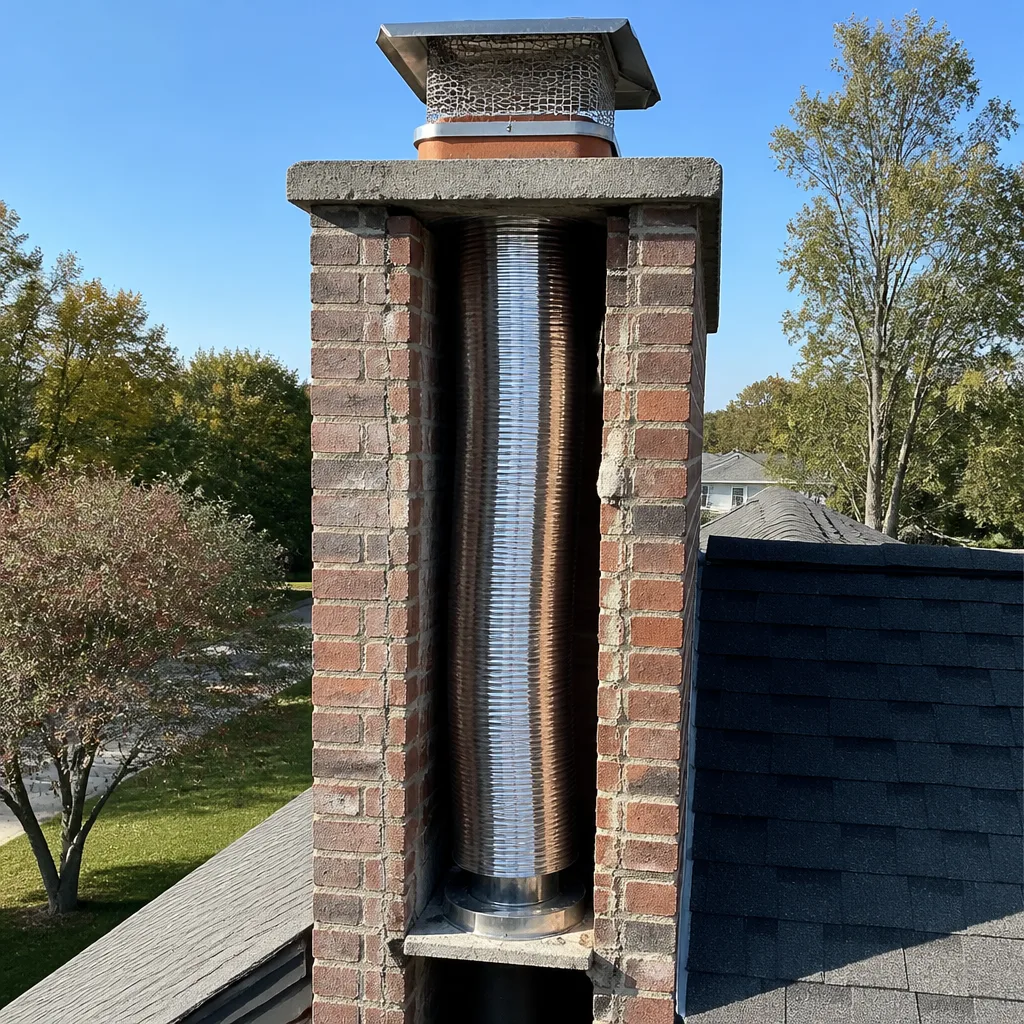 Flue relining
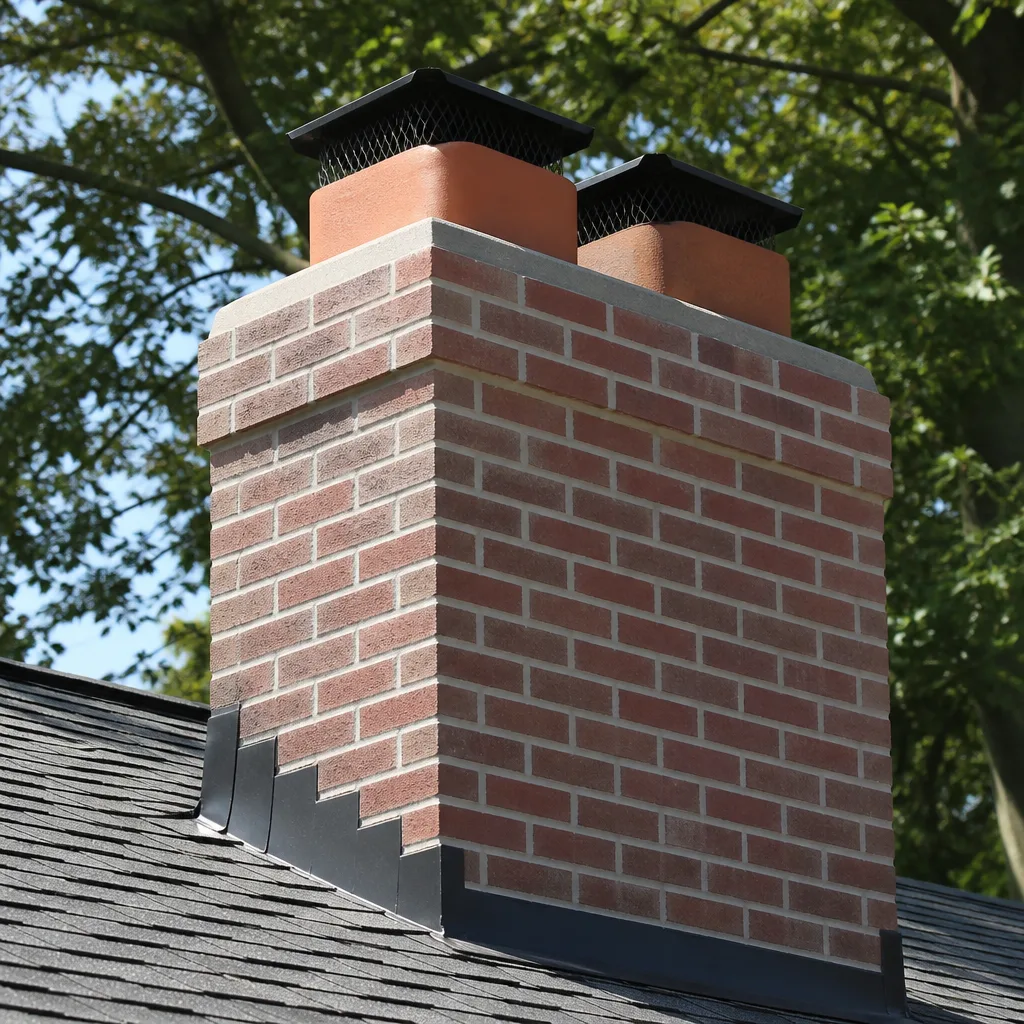 Masonry repair
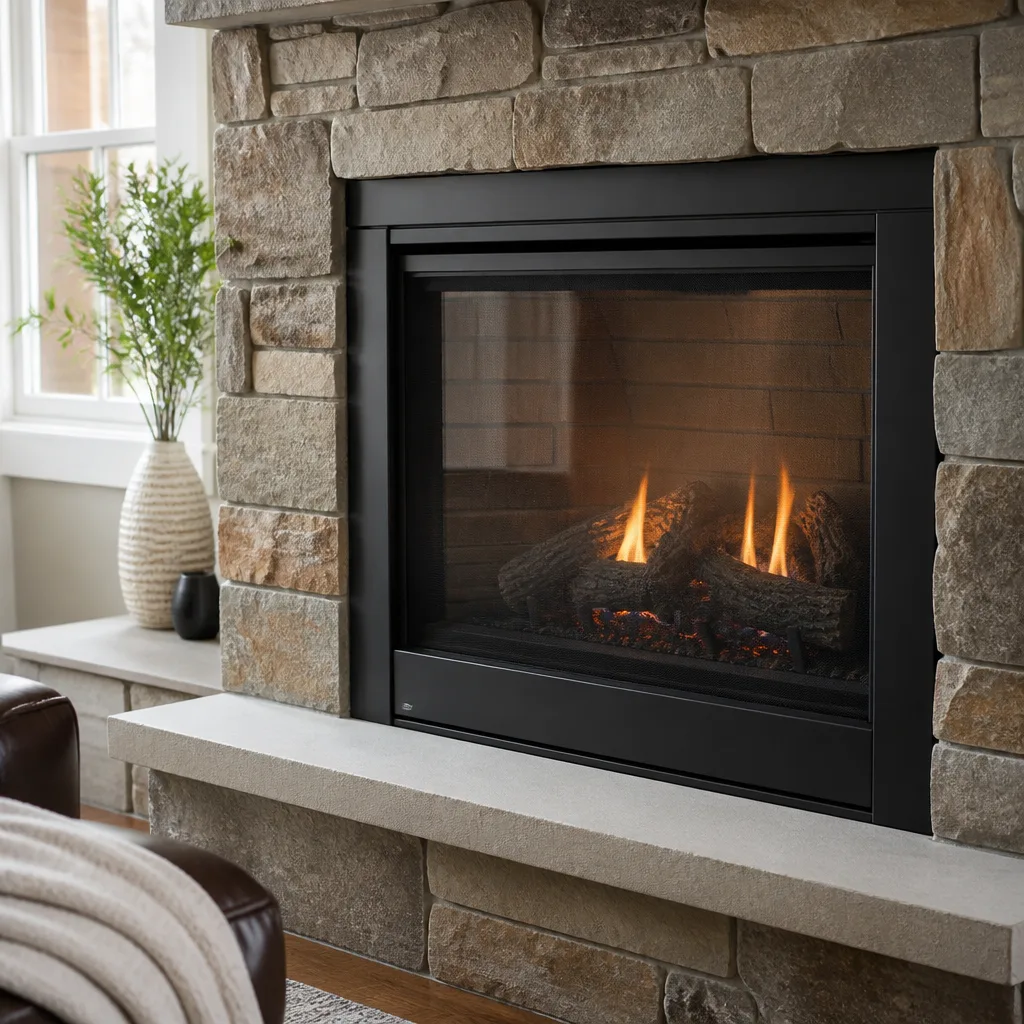 Gas fireplace service
Level 1 sweep and inspection to the NFPA 211 annual standard - flue, crown, cap, and flashing checked and photographed
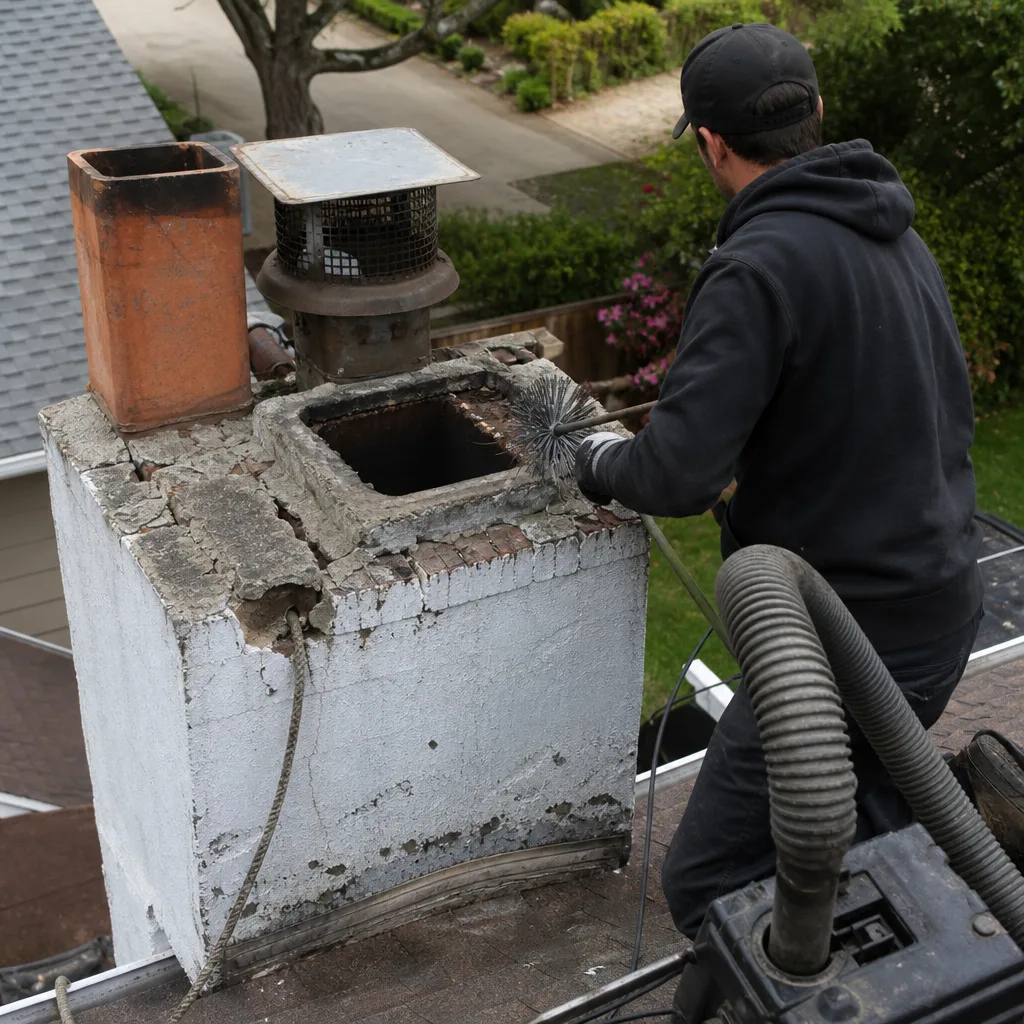
Chimney sweep logs do not sweep chimneys. They loosen some creosote - which then falls where a brush and vacuum still have to collect it.
DuraFlex Chimney Cleaning in Stanford, CA
We provide independent DuraFlex chimney cleaning and repair across Stanford, from the historic campus core to the faculty neighborhoods around the Oval, and we also offer Palo Alto DuraFlex service nearby. The one thing that makes our DuraFlex work different here is that we understand how these liners behave when they’ve been retrofitted into flues built for coal in the 1920s and 1930s. That mismatch causes problems most chimney companies never see. If you own a home in Stanford with a DuraFlex liner, call us at (833) 620-7463 and we’ll tell you exactly what’s going on up there.
Chimney Cleaning Palo Alto isn’t affiliated with DuraFlex or any manufacturer, though we do provide North Fair Oaks DuraFlex service as well. We’re an independent service provider, which matters because we diagnose issues based on what’s actually in your flue, not on what a brand wants us to sell you. Neil Dorfman leads our team, and after years of working on Stanford’s retrofitted liners, we can spot a developing problem before it becomes a fireplace that won’t draw or a creosote leak behind the firebox. If you want a technician who can explain what he’s seeing with a camera and show you the evidence, we’re the ones to call.
Why Stanford Residents Choose Us for DuraFlex Service
Most chimney companies in the Peninsula will sweep any flue. Few know what to do when a DuraFlex liner has separated at a seam, or when water has been eating at the joints under a missing cap. We do. We’ve worked on enough Stanford homes to know that a liner installed twenty years ago in a 1928 faculty house behaves differently than one installed last year in a new construction in Menlo Park. The older the surrounding masonry, the more stress the flexible liner takes as that masonry shifts with winter rain and summer drought, a pattern we also see providing East Palo Alto DuraFlex service.
Neil grew up near Midtown Palo Alto in a craftsman bungalow with one of those older masonry fireplaces that always needed attention. That early exposure turned into a career, and he trained in building and construction technology at Foothill College in Los Altos Hills, where the hands-on coursework in residential systems gave him the diagnostic foundation he still uses daily. We don’t hand you an invoice and disappear. We show you the camera footage, explain what it means, and tell you honestly whether it needs fixing now or can wait. For Stanford homeowners with DuraFlex sales & service needs, that level of transparency is what keeps people calling us back.
We carry OEM DuraFlex components for critical connections and transitions, which means a repair often happens the same visit instead of after a week-long parts wait. We also stock high-quality aftermarket accessories like caps and flashings where they meet or exceed the original spec. That’s a practical thing, not a marketing line: you don’t want a chimney torn apart for three weeks because someone had to order a joint kit from a supplier on the other side of the country.
Styles & brands we work with
- Sweep & inspection
- Caps & crowns
- Flue relining
- Masonry repair
- Gas fireplace service
Common DuraFlex Chimney Cleaning Problems We Solve in Stanford
- Creosote buildup in narrow liners from infrequent use. Stanford’s mild Mediterranean climate means fireplaces get lit maybe a dozen times a year. That sporadic use sounds harmless, but it’s actually a creosote trap. Fires that burn cool and short produce sticky, glazed creosote that clings to the corrugated walls of a DuraFlex liner. Over two or three seasons, it can narrow the flue enough to affect draft. We remove it completely, and we show you the before-and-after photos.
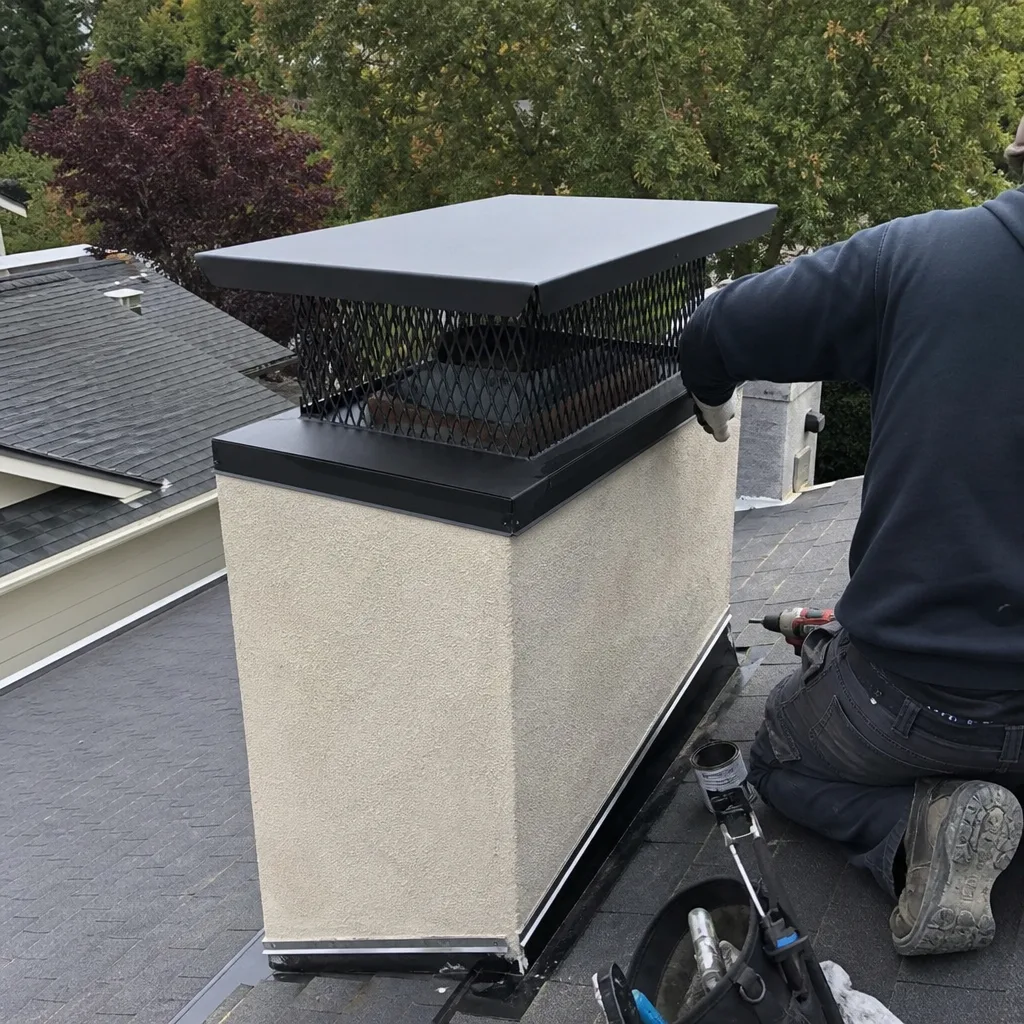
- Corrosion at liner joints from winter rain intrusion. Stanford gets most of its rain between November and March, and a missing or damaged cap turns that rain into a slow drip that follows the liner down. The joints are the weak points. We regularly find rust blooming at DuraFlex seams where water has pooled. If caught early, a joint repair and a new cap solve it. If ignored, the liner section fails.
- Animal nesting in disused flues. Stanford’s tree canopy and older homes with mature landscaping create ideal conditions for birds, squirrels, and raccoons looking for a quiet cavity. A DuraFlex liner with a compromised cap or damper is an open door. We pull nests out during Level 2 inspections more often than you’d expect, and the debris they leave behind is both a fire hazard and a draft obstruction.
- Liner-to-flue gaps from retrofitted systems. This is the one we see constantly in Stanford and rarely elsewhere. DuraFlex liners retrofitted into flues originally sized for coal or early wood stoves often don’t seat flush against the masonry. The gaps collect debris and let water in from above. In a 2019 job near the Oval, we found a gap large enough to fit a hand through. The homeowner had no idea because the fireplace still looked fine from the living room side.
- Kinked or punctured liners from shifting masonry. Stanford’s older chimneys move. The clay and sandstone expand slightly with winter moisture and contract in summer drought. A rigid structure would crack; a flexible DuraFlex liner flexes. But after years of that movement, the liner can develop a kink, especially where it passes through the smoke shelf or firebox transition. We look for this specifically on every DuraFlex inspection in Stanford because we know the local masonry behavior.
DuraFlex Service in Stanford: What Local Conditions Mean for Your Equipment
Here’s something you won’t read on a generic DuraFlex maintenance page: Stanford’s original campus buildings and the surrounding faculty homes from the 1920s through the 1950s often have DuraFlex liners retrofitted into flues that were never designed for modern appliance standards. Those original flues were built narrow, with uneven clay tile interiors. When someone slid a DuraFlex liner down that flue, the fit was approximate, not precise. We routinely find liner-to-flue gaps of an inch or more, gaps that act as collection points for debris, water, and creosote fragments that break loose during cleaning. That’s why our cleaning process for Stanford DuraFlex systems includes an inspection pass specifically looking for those gaps before we run brushes. You can’t just sweep a retrofitted liner and call it done; you have to account for what’s happening in the space between the liner and the original flue. This is the kind of thing we’ve learned from working on Stanford service area homes for years, and it’s why our inspections take a bit longer than a standard sweep. Last month we serviced a 1920s faculty home near the Oval where the DuraFlex PRO liner had separated at a joint, allowing creosote to leak behind the firebox. Our tech removed the failed section, replaced it with an OEM joint kit, and installed a new multi-flue cap to keep out rain and birds. The homeowner was relieved to have the chimney safe again before winter. That’s the job done right.
DuraFlex Models & Products We Service in Stanford
We work on the full DuraFlex residential line: the PRO series, the SW (single-wall) liner, FlexLiner, and Insulated Liner systems. Each has its own installation profile and failure patterns. The SW liner, for example, is common in Stanford homes where it was installed as a straightforward reline for a wood-burning fireplace. The PRO is what we see in homes that later switched to gas inserts, because its higher alloy grade handles the condensation gas appliances produce. For critical connections and transitions, we use OEM DuraFlex parts, period. For accessories like caps, flashings, and mortar collars, we select high-quality aftermarket components that meet or exceed the original spec. What’s stocked locally for Stanford turnaround varies by season, but we keep common joint kits, cap assemblies, and termination fittings on hand. If you need a repair that requires a part we don’t have, we can usually have it in hand within a few days, and we’ll tell you that timeline upfront.
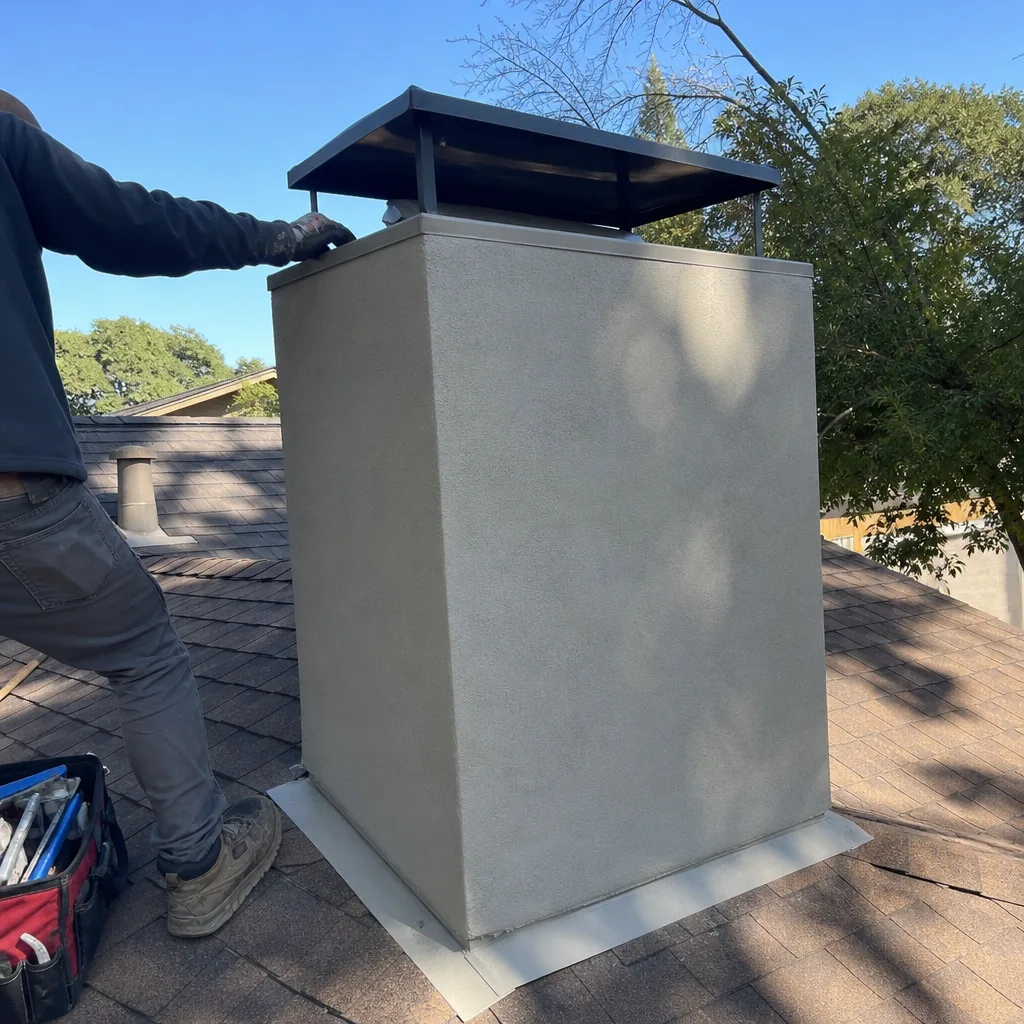
See the difference
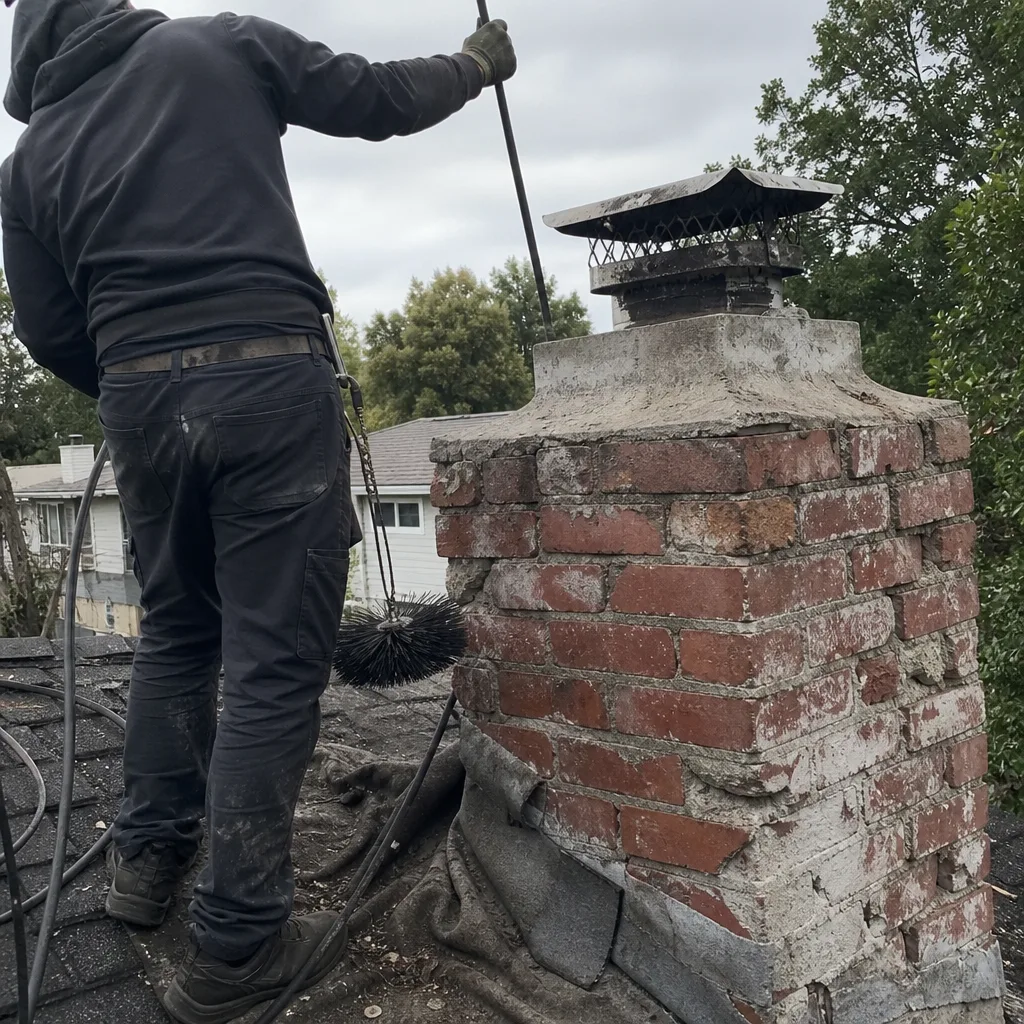 Before
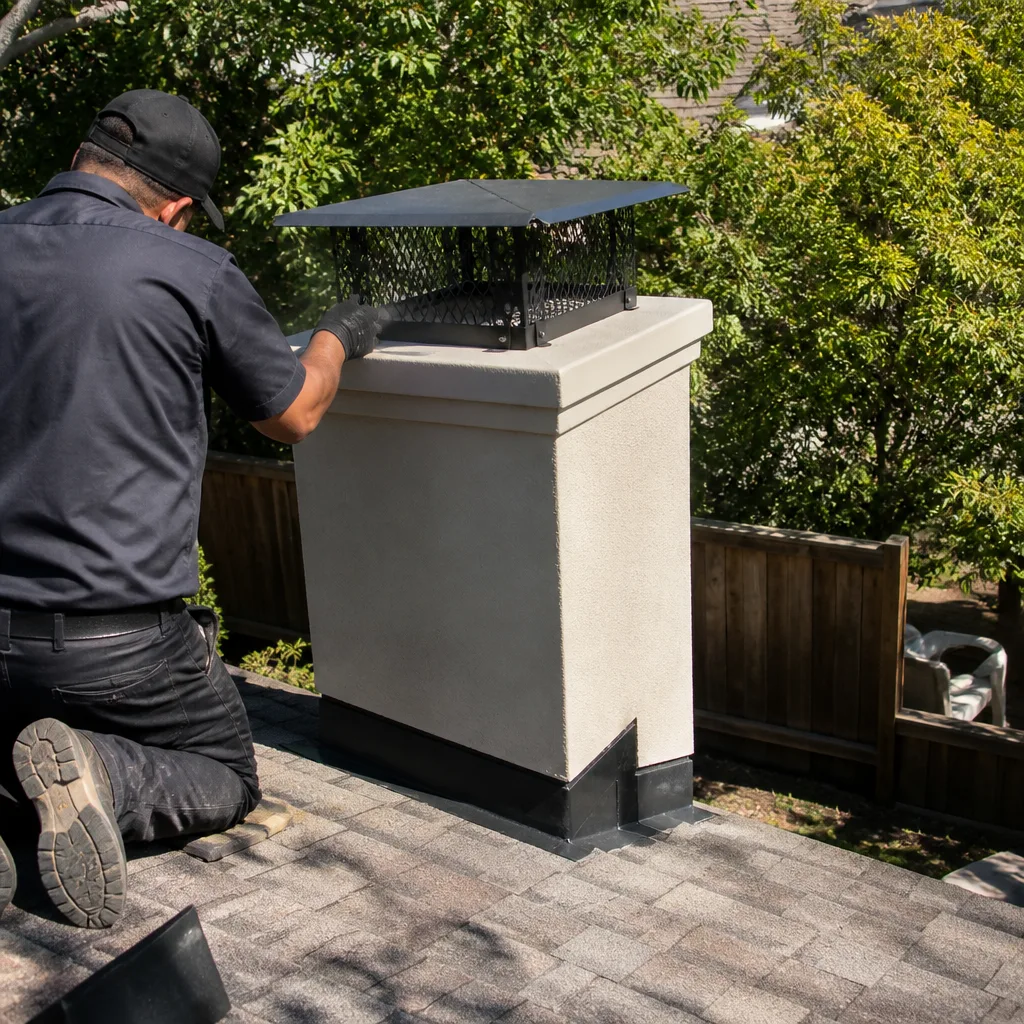 After
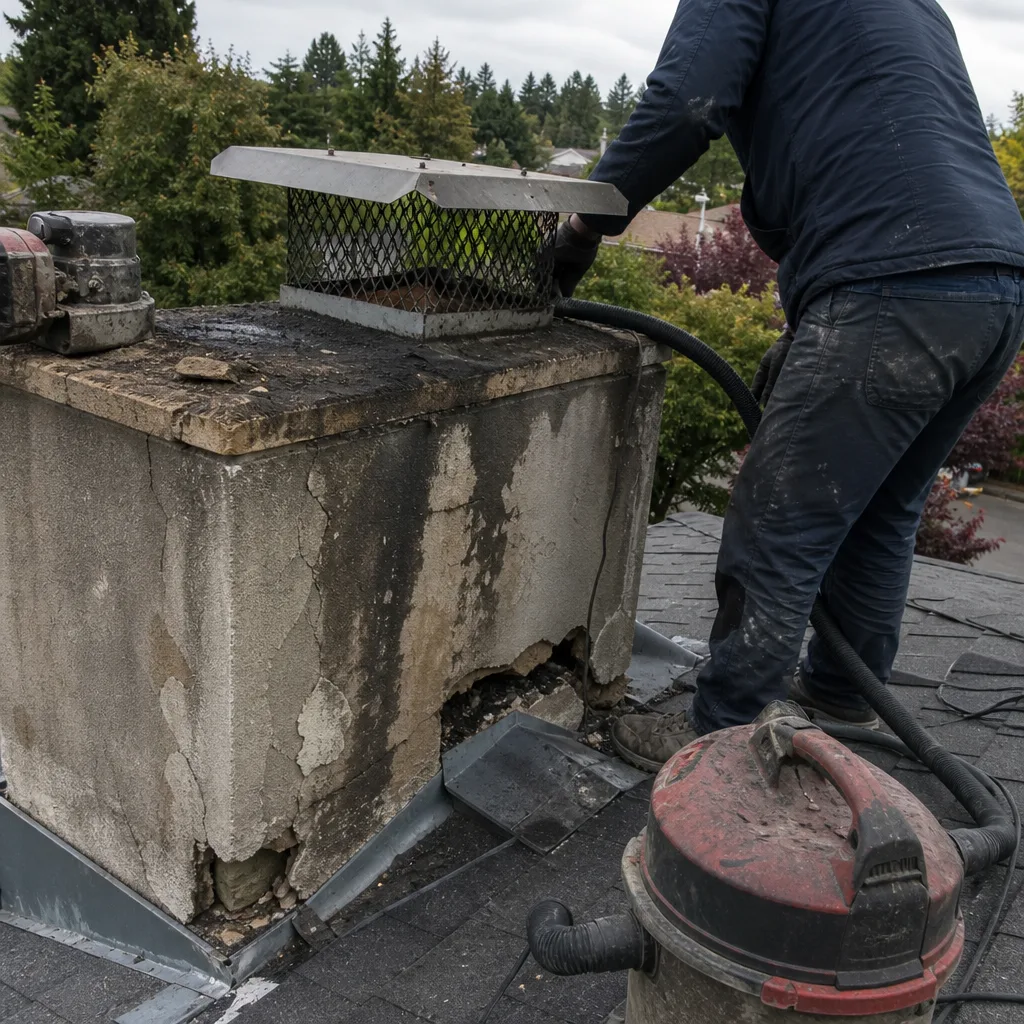 Before
 After
 Before
 After
DuraFlex Service Pricing in Stanford
Here’s what to expect, in plain numbers. A standard DuraFlex chimney cleaning sweep in Stanford runs $169 – $215 for a single-flue fireplace when there are no complications. If you have an insert or a second flue, add $75 – $100 per additional flue. A Level 2 camera inspection, which we recommend for any Stanford home with a retrofitted liner, is $199 – $350 depending on access. If we find a problem that needs repair, common fixes like a joint replacement or cap installation land in the $300 – $600 range, while a full DuraFlex liner replacement typically runs $2,500 – $4,500 plus removal of the old liner if needed. What drives the cost here is access. Some Stanford chimneys are on steep rooflines, and historic buildings sometimes require extra care to protect masonry while we work. A free estimate includes a camera inspection and a written breakdown, so you’ll know exactly what you’re paying for before any work starts. Call (833) 620-7463 to schedule one.
Serving Stanford, CA – Our Local Coverage Area
We’re based in the Stanford area and know this community well, including Los Altos Hills. Use the map below to see our service coverage – if you’re nearby, we can almost certainly help.
FAQs – DuraFlex Chimney Cleaning in Stanford
How does Stanford’s mild climate affect DuraFlex liner maintenance?
Stanford’s mild climate means fireplaces are used infrequently, which allows creosote to accumulate slowly and animal nesting to go unnoticed between seasons. Winter rains then work their way into any gap in a damaged cap or flashing, accelerating corrosion at DuraFlex joints. We recommend annual inspection even if you don’t use your fireplace often, because the problems here develop in the downtime, not during use. Call (833) 620-7463 for a free estimate.
Can you repair a damaged DuraFlex liner without replacing the whole system?
Often yes. If the damage is limited to a single joint, a section of the liner, or a termination fitting, we can replace that component with an OEM DuraFlex part and leave the rest of the system intact. The question is always whether the remaining liner is sound. We assess that with a camera inspection before recommending anything. If a full replacement is safer and more cost-effective over the long run, we’ll tell you that plainly, and we’ll show you why on the screen.
What should I do if I find bird nests in my chimney?
Don’t light a fire. Bird nests, squirrel debris, and other animal material in a DuraFlex flue are combustible and will block draft. Call us, and we’ll remove the material safely, inspect the liner for any damage the animals caused, and install a proper cap or damper designed to keep them out. We handle this regularly in Stanford, where the mature trees and older homes create the conditions for nesting.
Is a Level 2 inspection necessary for my historic Stanford home?
Yes, and particularly so if your DuraFlex liner was retrofitted into an older flue. Stanford’s early 1900s homes and campus buildings have flue dimensions and masonry conditions that a standard Level 1 visual check simply doesn’t capture. A Level 2 inspection uses a camera to see the liner-to-flue gaps, joint conditions, and any debris accumulation that would otherwise stay hidden. It’s the only way to know whether your retrofitted liner is actually doing its job.
Do you offer waterproofing for chimneys with DuraFlex liners?
We do, but we approach it honestly. Waterproofing the exterior masonry helps reduce the moisture that reaches the liner from the outside, and it’s a good preventive step for Stanford’s winter rains. But waterproofing alone won’t fix a leaking cap or a cracked crown. We always address the water entry point first, whether that’s a cap, flashing, or crown repair, and then apply masonry waterproofing if the chimney needs it. Call (833) 620-7463 and we’ll tell you what your chimney actually needs.
Service Areas Near Stanford
We serve Stanford and the surrounding Peninsula communities. If you’re in Palo Alto, Menlo Park, or East Palo Alto, we’re likely already working in your neighborhood. For homeowners slightly north or south, we also cover DuraFlex service in San Carlos and DuraFlex service in Foster City, so your DuraFlex system gets the same level of attention no matter which side of the creek you’re on.
Book Your DuraFlex Service in Stanford Today
If your Stanford chimney has a DuraFlex liner and it’s been more than a year since anyone looked at it, now is the time. We’ll inspect it properly, show you what we find, and fix what needs fixing with materials built to last. Call (833) 620-7463 for a free estimate, and we’ll schedule a time that works for you.
Written by Neil Dorfman, Owner at Chimney Cleaning Palo Alto, serving Stanford and the Peninsula since he started in the trade. If you can see it clearly and clean it completely, you’re ahead of most problems before they start.