
Last updated November 2, 2026
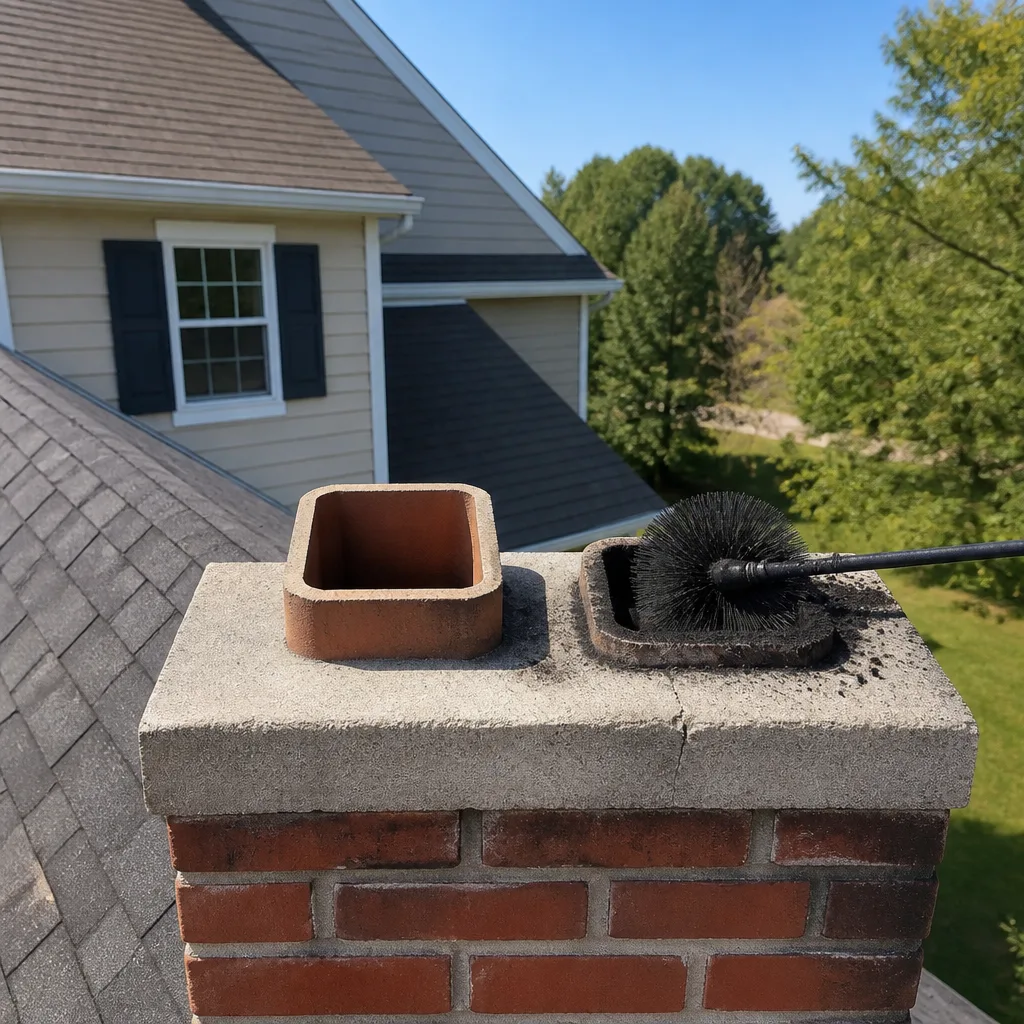 Sweep & inspection
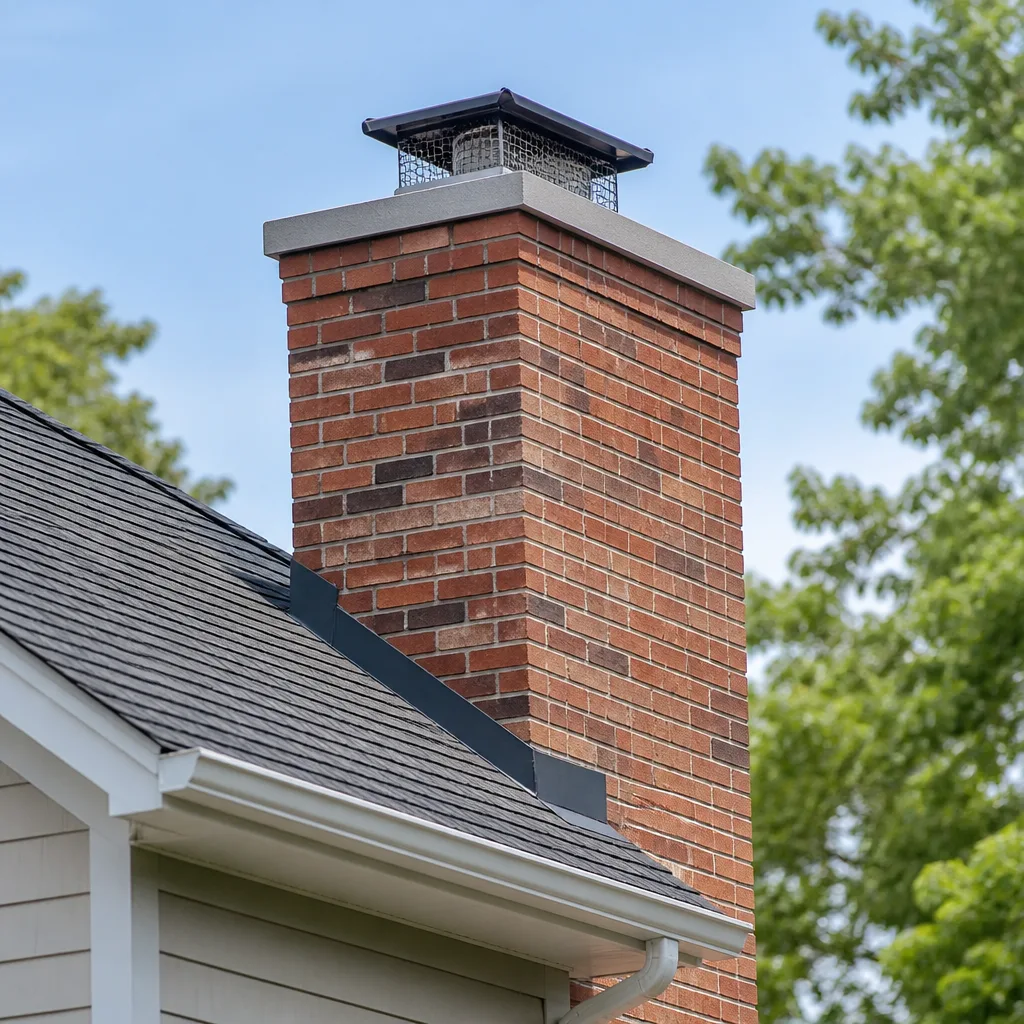 Caps & crowns
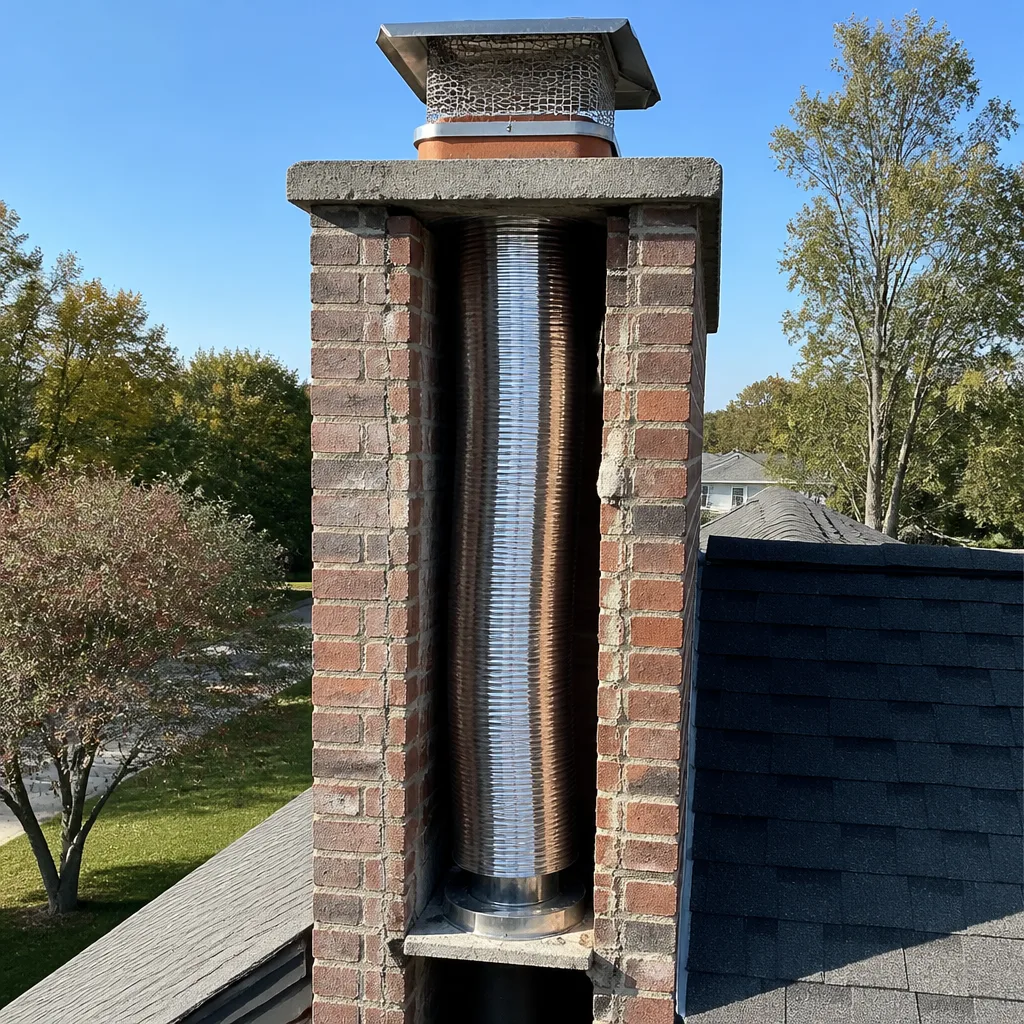 Flue relining
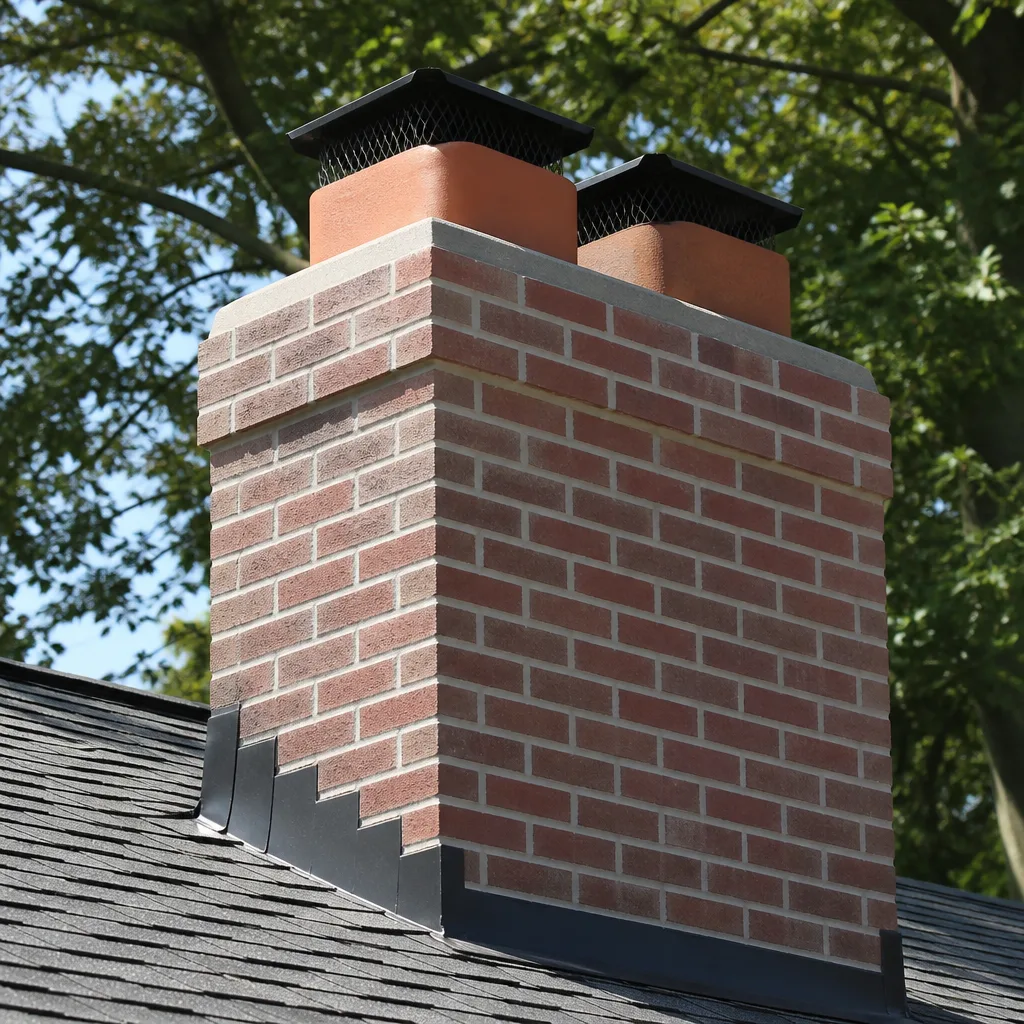 Masonry repair
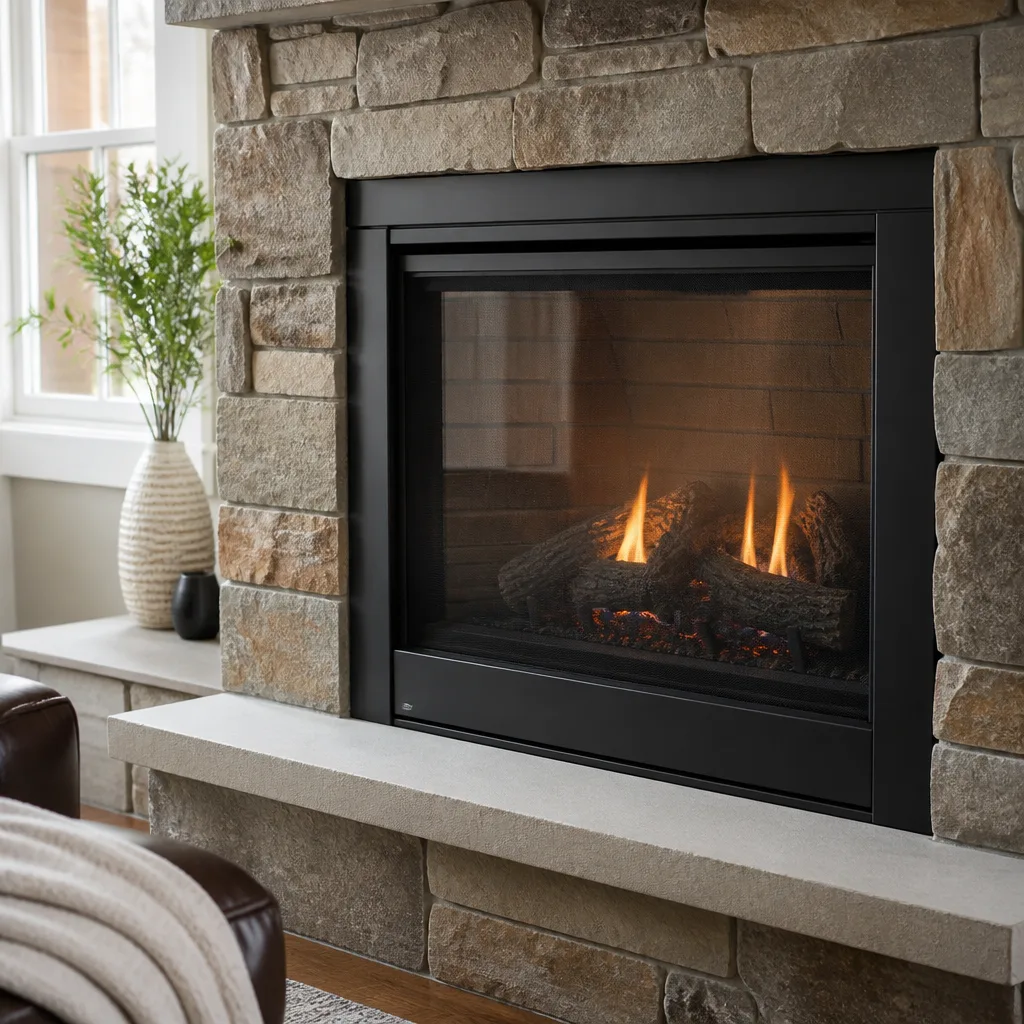 Gas fireplace service
Level 1 sweep and inspection to the NFPA 211 annual standard - flue, crown, cap, and flashing checked and photographed
Chimney sweep logs do not sweep chimneys. They loosen some creosote - which then falls where a brush and vacuum still have to collect it.
Chimney Cleaning Permits, Codes & Inspections in CA: What You Need to Know
A routine chimney sweep in California doesn’t require a permit, but the moment a technician recommends relining the flue, rebuilding the firebox, or replacing the crown, you’ve crossed from “maintenance” into “alteration” – and in Palo Alto, that’s the line where building permits, inspections, and code compliance enter the picture. We’ve seen chimney work completed without permits surface years later during escrow, turning a routine disclosure into a stalled sale. This guide breaks down exactly which chimney tasks trigger permit requirements under California Building Code, what Palo Alto inspectors look for, and how to handle unpermitted work before it becomes a real estate liability. For related reading, see our Chimney Sweep Troubleshooting: Common Problems and How to Fix Them. You’ll finish with a clear mental checklist: what to ask any contractor before they start, what your paperwork needs to show at sale time, and which repairs genuinely can’t wait.
Quick Answer
In California, chimney cleaning and Level 1 inspections are considered maintenance and require no permit. But structural alterations – relining with a stainless steel system like DuraFlex, rebuilding more than 10% of the masonry, or modifying the firebox – generally trigger a building permit in most jurisdictions, including the City of Palo Alto. Unpermitted structural chimney work is a disclosable material defect in a California real estate transaction, and discovering it mid-escrow is one of the most common reasons chimney-related deals get delayed or renegotiated.
Styles & brands we work with
- Sweep & inspection
- Caps & crowns
- Flue relining
- Masonry repair
- Gas fireplace service
Table of Contents
- Maintenance vs. Alteration: The California Permit Line
- How Palo Alto Handles Chimney Permit Applications
- How NFPA 211 Interacts With California Building Code
- What a Real Estate-Ready Chimney Inspection Report Must Contain
- Unpermitted Chimney Work and Your Home Sale
- The Permit Triggers Most Homeowners Miss
- Permit Fees, Timelines, and What Actually Gets Inspected
- Palo Alto Seasonal Timing: When Sweeps and Repairs Fill Up
Maintenance vs. Alteration: The California Permit Line
California Building Code (CBC) draws a practical distinction between work that preserves a chimney’s existing function and work that changes its structure, material composition, or fire-safety characteristics. A sweep, a Level 1 inspection, minor mortar pointing, replacing a damper with a like-for-like part – none of these require permits in Palo Alto. They’re classified as ordinary maintenance. The homeowner’s responsibility here is documentation, not permitting: keep the invoice. A future buyer’s disclosure will ask when the chimney was last cleaned and inspected, and a paper record answers it.
The permit line appears when the work is structural or changes the system’s material. Relining an existing flue with a DuraFlex stainless liner is a structural alteration under the CBC’s Residential Code chapters. So is rebuilding firebox walls beyond surface repair, installing a new fireplace insert that changes venting requirements, or reconstructing a crown that has degraded past the point of patching. In these cases, Palo Alto’s building department expects a permit application describing the scope, the materials, and the installation standard being followed.
Here’s our practical rule after working with Palo Alto homeowners for years: if the work leaves the chimney in place but restores it to its original designed function, you’re probably in maintenance territory. If the work removes, replaces, or reconfigures a structural component – masonry, liner, flue path, firebox – assume the permit counter wants to know about it. A good contractor will tell you which side of that line your job falls on before the first brick comes out. When in doubt, call the City of Palo Alto’s building inspection office directly; they answer questions without requiring a formal application.
HeatShield resurfacing adds a useful wrinkle. Because HeatShield is a cerfractory coating, not a structural liner replacement, some California jurisdictions classify it as repair rather than relining. The practical difference matters: a HeatShield application can often resolve smoke-damaged flue cracks without the full permit process that full liner work triggers. We’ve completed HeatShield jobs in Palo Alto homes where the inspector’s take was that the original clay liner remained structurally intact, so no alteration permit applied. But this interpretation varies by inspector, so your contractor should confirm the classification with the building department before scheduling.
How Palo Alto Handles Chimney Permit Applications
Palo Alto’s building permit process for residential chimney work falls under Santa Clara County’s broader permitting framework, but the city runs its own development services desk. The sequence is straightforward once you understand it: you submit a scope of work describing the alteration, the contractor’s license number, and the product specifications for any liner or structural system being installed. For a typical relining project, the city reviews the application against IRC Section 1001 (chimneys and fireplaces) and issues a permit with an inspection hold at the point where the work is actually visible – usually after the old liner is removed but before the new one is enclosed.
What we’ve learned from Palo Alto inspections: the city is not trying to obstruct chimney work. The inspection exists to confirm that the liner is the right diameter for the appliance, that clearances to combustibles are maintained, and that termination at the top meets the height requirements in the code. A contractor who shows up with a DuraFlex liner, the OEM installation guide, and an understanding of the city’s inspection schedule will typically pass on the first or second visit. Where homeowners get burned is hiring someone who does the work without pulling the permit, then trying to sell the permit after the fact – Palo Alto will issue a “permit after the fact,” but it costs more and usually requires opening up part of the work for inspection, which means tearing out and redoing a section of flue.
One Palo Alto-specific code issue we regularly encounter: homes built before 1960 often have terra cotta liners that are now cracked, and the city’s retrofit requirements for wood-burning fireplaces in certain zones changed in the past decade. A homeowner replacing a gas log set with a wood-burning appliance needs to verify that the existing flue meets current sizing and material requirements. What was code-compliant when the house was built is often not compliant now, and the permit process is where that gap gets caught.
How NFPA 211 Interacts With California Building Code
NFPA 211 is the national standard for chimneys, fireplaces, and vents, and it functions differently in California than in many other states. The California Building Code incorporates NFPA 211 by reference in residential sections, which means it carries the force of law where adopted – but California adds its own amendments on top. The practical result: a contractor in Palo Alto must satisfy both the NFPA standard and the California amendments that tighten clearances and material requirements, particularly in wildfire-prone interface areas.
Here’s a concrete example. NFPA 211 requires a Level 2 inspection – typically with a video camera – whenever any change is made to an appliance or when a property is sold. California’s real estate transfer disclosure requirements make those Level 2 findings a formal disclosure item. So in Palo Alto, a buyer’s offer will commonly include a chimney condition contingency, and the seller’s Level 2 report becomes a negotiating document. If the report shows a cracked flue liner and the seller never pulls a permit for the eventual repair, that fact itself becomes disclosable.
Another NFPA 211 requirement that matters in Palo Alto specifically: clearance from the chimney termination point to the roofline and any nearby obstruction, measured ten feet horizontally and three feet vertically. Palo Alto’s older neighborhoods – Professorville, Old Palo Alto, Crescent Park – have roofs with multiple planes, dormers, and mature trees. A chimney that met code in 1952 may no longer meet NFPA 211 clearance because a neighbor’s second-story addition or a 40-year-old oak now intrudes on the required airspace. A proper sweep and Level 2 inspection flags this. It’s a code issue, but it’s also a safety issue: improper termination clearance is a direct cause of chimney draft failure and roof fire risk.
What a Real Estate-Ready Chimney Inspection Report Must Contain
In a California residential transaction, a chimney inspection report does more work than most homeowners realize. The California Residential Purchase Agreement and the Transfer Disclosure Statement both ask about “defects in the fireplace, chimney, or flue.” A buyer reviewing a passed-over chimney report will typically ask for the inspection itself if one isn’t already provided – in fact, most Palo Alto buyers now make a Level 2 inspection a standard contingency. The report needs to exist, and it needs to contain certain specifics to actually satisfy disclosure obligations.
A proper real estate-ready report from a company like our Chimney Sweep in Palo Alto service includes at minimum:
- The date of inspection and the inspector’s name, company, and contact information
- A clear statement of which inspection level was performed (Level 1, 2, or 3 under NFPA 211)
- Condition findings for the flue liner, smoke chamber, damper, firebox, crown, chimney cap, and exterior masonry – each with a condition rating and a photo where possible
- Specific measurements for the flue liner diameter, length, and termination height from the roof line
- Clearance compliance findings – this is where Palo Alto’s older homes often fail, and it’s a disclosable item
- A signed recommendation section: sweep only, liner repair/replacement, cap installation, or no action needed
- Documentation of the fuel type and appliance type inspected
A report that says “chimney inspected, looks fine” is not sufficient for a California disclosure. It doesn’t establish what was inspected or to what standard, and it won’t satisfy a prudent buyer or a careful escrow officer. We’ve seen Palo Alto sellers pay for a second inspection because the first was a half-page invoice with no findings detail. The credibility of the report is the credibility of the seller’s disclosure.
Unpermitted Chimney Work and Your Home Sale
Unpermitted chimney work surfaces most commonly during escrow, and it usually doesn’t surface because an inspector climbs onto the roof and finds it – it surfaces because a buyer’s inspector asks a question the seller’s paperwork can’t answer. The cue is often small: a stainless steel liner visible from the roof in a house that’s otherwise from 1962, a firebox rebuild that looks newer than the framing around it, a buyer’s contractor wondering aloud how the fireplace got an insert without any record of a permit.
Once the question is asked, the clock starts. The seller must now either produce the permit (which often can’t be found because it was never pulled) or answer a corrective notice from the buyer’s agent. In most Palo Alto transactions, the practical outcome is a request for the seller to obtain a permit retroactively. That means exposing the work, paying a higher inspection fee, and then correcting anything the inspector flags – which is frequently the exact reason the original contractor skipped the permit. The repair that “saved” the homeowner a few hundred dollars in permit fees now costs thousands and risks the sale.
The correction path is straightforward, if expensive:
- The buyer’s inspection flags unpermitted or non-permitted chimney work.
- The seller contacts the City of Palo Alto building department to open a file.
- A retroactive inspection is scheduled, usually requiring the liner or masonry work to be partially opened.
- The inspector lists any violations, and the seller must correct them with a permit-holder.
- Once corrections pass, the city issues a permit after the fact, which becomes part of the disclosure.
- The sale can then close with the chimney condition resolved.
The lesson is blunt: in Palo Alto’s real estate market, where buyers are sophisticated and inspection contingencies are common, an unpermitted chimney repair is a dormant liability. If you’ve inherited one from a previous owner and you’re planning to sell, the time to resolve it is before you list, not when a buyer’s agent asks. Our Chimney Repair in Palo Alto work frequently starts as that resolution: we document what was installed, determine what the city needs to see, and get the permit history squared.
The Permit Triggers Most Homeowners Miss
Most Palo Alto homeowners understand that a full chimney rebuild requires a permit. The surprise comes in the smaller jobs that don’t look structural but are, in the eyes of the California code and the city inspector. These are the situations where we get called during escrow by a seller who thought the work was “just a repair” and is now learning otherwise.
The quietest permit trigger: relining an existing flue with a stainless steel liner, including DuraFlex. This is the most common chimney repair performed in Palo Alto homes with cracked terra cotta liners, and it’s the work most often done without a permit because the contractor never mentioned one. A liner is a structural element changing the flue’s material, dimensions, and tested capacity, so the CBC treats it as an alteration. The same applies when a gas fireplace is converted to wood-burning: the appliance changes, the flue sizing must be re-evaluated, and the alteration requires approval.
Other commonly missed permit triggers include:
- Rebuilding the firebox beyond a surface parge coat – if the wall is taken down to brick and rebuilt, it’s structural
- Replacing a crown when the new one changes the chimney’s profile or is cast with different material than the original
- Installing a new fireplace insert when the venting path changes (such as adding a direct-vent unit where a masonry chimney previously vented by natural draft)
- Removing a chimney entirely or taking it below the roofline – a job some homeowners do for aesthetics and then discover it needed a demolition permit
- Adding a second appliance to an existing flue without confirming the flue can handle the combined load
One issue we hear about from Palo Alto homeowners in older neighborhoods: the city’s permit database doesn’t go back far enough to show whether chimney work was permitted in the 1980s or earlier. Older homes frequently have repairs from decades before digital records, and the absence of a record isn’t proof of unpermitted work – but it can create the same escrow headache. A permit history search at the Palo Alto building department is cheap and takes an afternoon, and it’s worth doing before you list, not after a buyer’s agent asks.
Permit Fees, Timelines, and What Actually Gets Inspected
Chimney permit fees in Palo Alto scale with the scope of work. For a typical residential relining, the fee is usually modest – a few hundred dollars – and the timeline from submission to permit issuance is typically one to three weeks, depending on workload. The delay isn’t in the review; it’s in the inspection scheduling, because the city must inspect the liner before the crown is sealed and the top is finished. A contractor who doesn’t understand this sequence will often complete the work and then try to schedule the inspection, at which point the inspector has nothing to see and the permit cannot be finalized.
Here’s the sequence, step by step, so it’s clear before you start:
- Contractor or homeowner files the permit application with a scope description and product specs.
- City reviews against CBC residential chimney sections and issues the permit.
- Work proceeds to the point where the structural component is visible: old liner removed, new DuraFlex liner in place but not yet enclosed, firebox rebuilt but not yet cured, etc.
- An inspection is scheduled and the inspector confirms the installation matches the approved scope.
- Work is completed and the permit is signed off, becoming part of the property record.
The inspection itself is not a pass-fail on the quality of the masonry – it’s a verification that code-required clearances, dimensions, and materials are used. The inspector is checking that the liner terminates at the required height, that combustibles are protected, that the flue serves the right appliance size, and that no obvious fire hazard is created. If you’re working with a company that installs DuraFlex, HeatShield, or Copperfield components regularly, they’ll have the spec sheets and installation standards already organized for the inspector. That’s the difference between a first-visit sign-off and a re-inspection.
Palo Alto’s permit center also processes chimney work alongside other residential alterations, so if you’re doing a larger remodel that includes the fireplace, the chimney work can be folded into the same permit. This is common in the Midtown and Community Center neighborhoods where whole-home remodels routinely trigger fireplace upgrades. A separate chimney permit is only necessary when the chimney work stands alone.
Palo Alto Seasonal Timing: When Sweeps and Repairs Fill Up
Chimney work in Palo Alto follows a seasonal pattern that catches some homeowners by surprise. The Bay Area’s wet season runs from late October through March, and that’s when dampers get used and wood-burning fireplaces see actual fires. But the bulk of sweeping and inspection work happens in September and October, right before the first rain, and then again in April and May, when homeowners remember the chimney they never got around to using. If you need a repair that requires a permit, the late-summer and early-fall window is when Palo Alto building inspectors have chimney work on their boards.
Our recommendation aligns with that calendar: schedule a sweep and Level 1 or Level 2 inspection in August or September, when there’s still time to complete any repair before the holiday burning season. If the inspection turns up a cracked liner or a deteriorating crown, you want the permit process to run while the city’s residential workload is moderate, not during the December crunch. Palo Alto’s mild winters mean chimney work rarely stops entirely, but January and February see scattered rain that delays masonry curing and roof work.
We also see a small second wave of chimney inspections in the spring, tied to real estate listings. Palo Alto homes with wood-burning fireplaces list most heavily from February through May, and listing agents routinely recommend a Level 2 inspection before the home goes live – precisely because they’re trying to avoid the escrow stall described in the section on unpermitted work. A seller who gets a clean Level 2 report in February has a stronger negotiating position in April than one who’s waiting on an inspector’s callback the week before close.
Common Mistakes to Avoid
- Assuming a sweep and a permit check are the same thing. A sweep removes creosote; it does not verify code compliance. The two are different services with different documents.
- Hiring the lowest bid without asking about permits. A Palo Alto contractor who skips the permit is transferring the risk to you. The savings disappear the first time the work is questioned.
- Treating a cracked liner as a “future project.” A cracked clay liner in a wood-burning chimney is an active safety hazard and a disclosable defect, not a line-item you can defer indefinitely. HeatShield or a DuraFlex reline addresses it before it becomes an escrow problem.
- Ignoring the clearance issue. Palo Alto’s old trees and rooflines create termination clearance violations that compound over time. A chimney that drafted fine in 1990 may be a code violation by 2025.
- Making aesthetic changes without checking. Removing or shortening a chimney “just because it looked dated” has triggered more demolition permits than any other single aesthetic choice we see in Palo Alto.
- Selling without a Level 2 report. In Palo Alto’s market, the absence of one is treated as a red flag by buyers and their agents. A seller who provides one up front controls the narrative.
- Forgetting the dryer vent entirely. Every Palo Alto home has a dryer; most never have the vent inspected. It’s not in the chimney code, but dryers cause more annual fires than chimneys, and Dryer Vent Cleaning in Palo Alto is one of the few preventive steps a homeowner can take that’s also verifiable for a buyer.
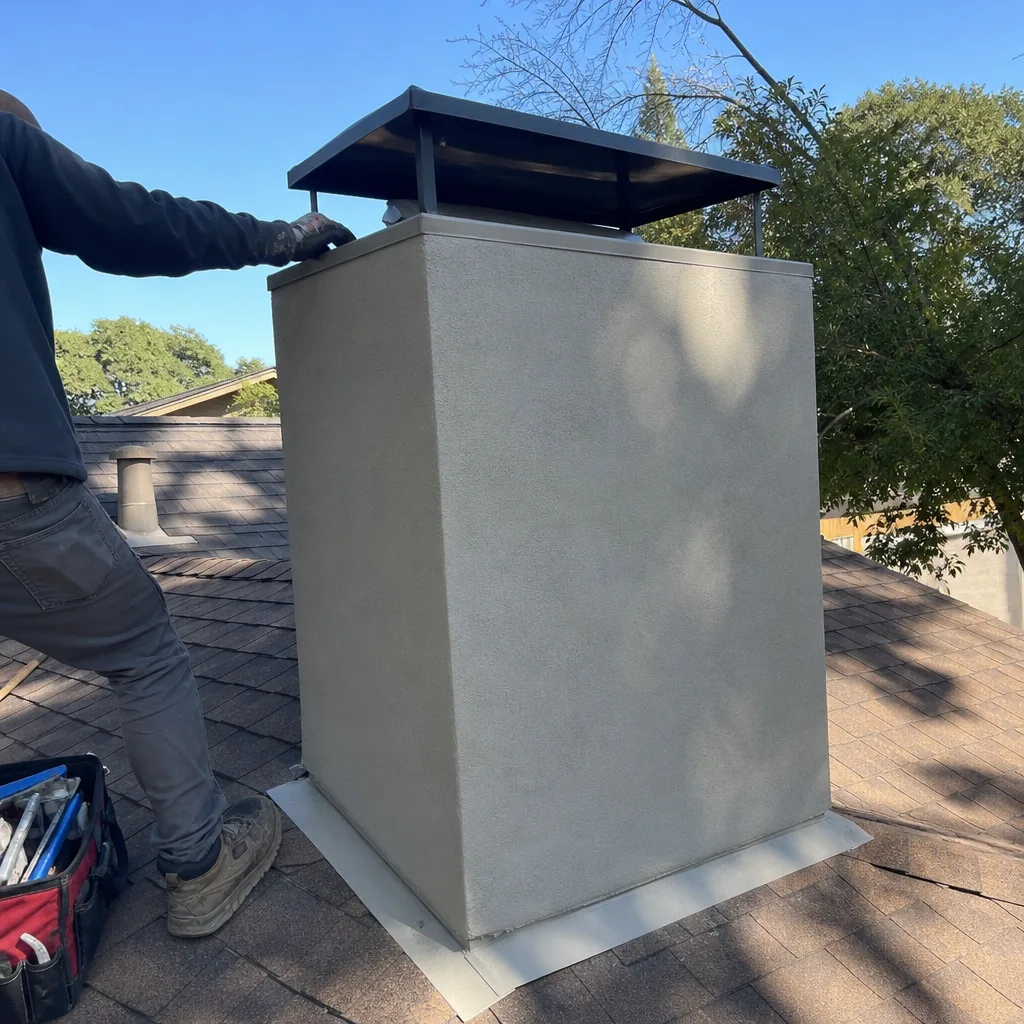
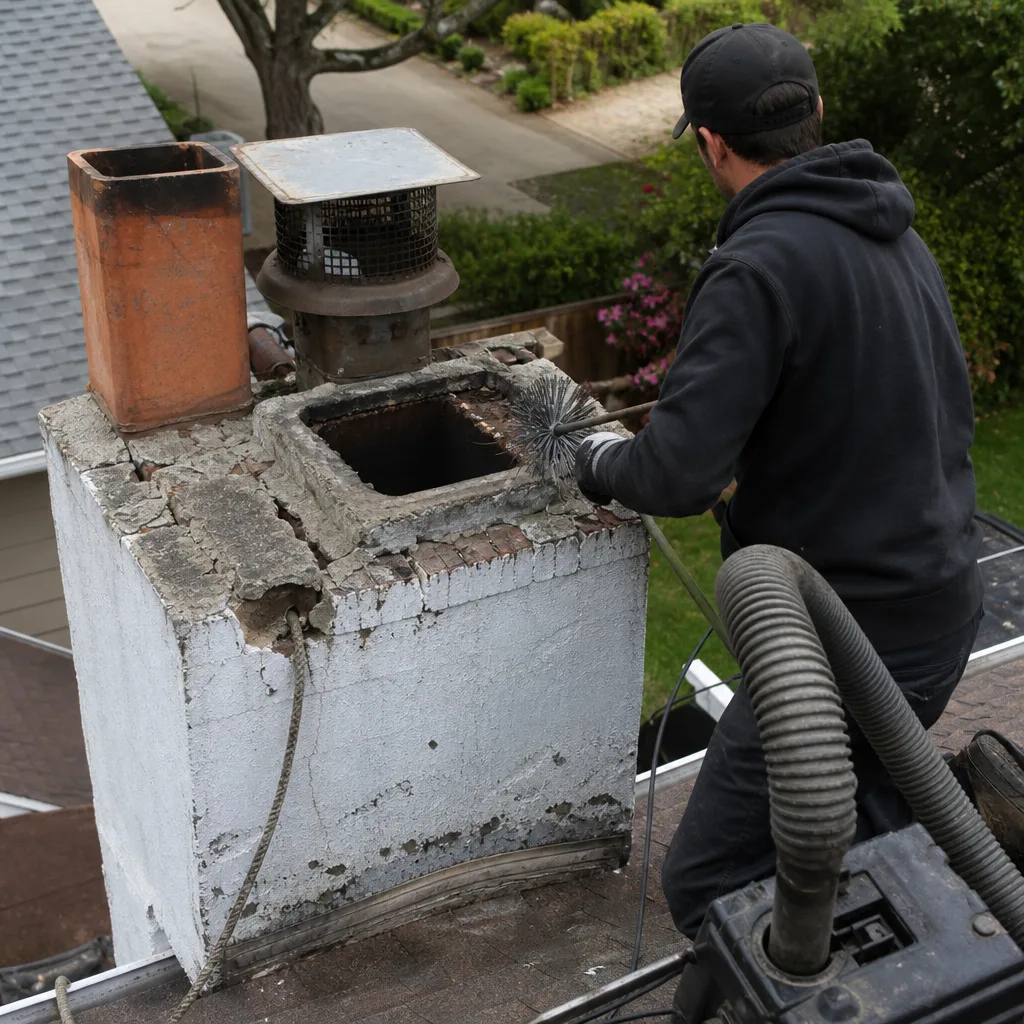
See the difference
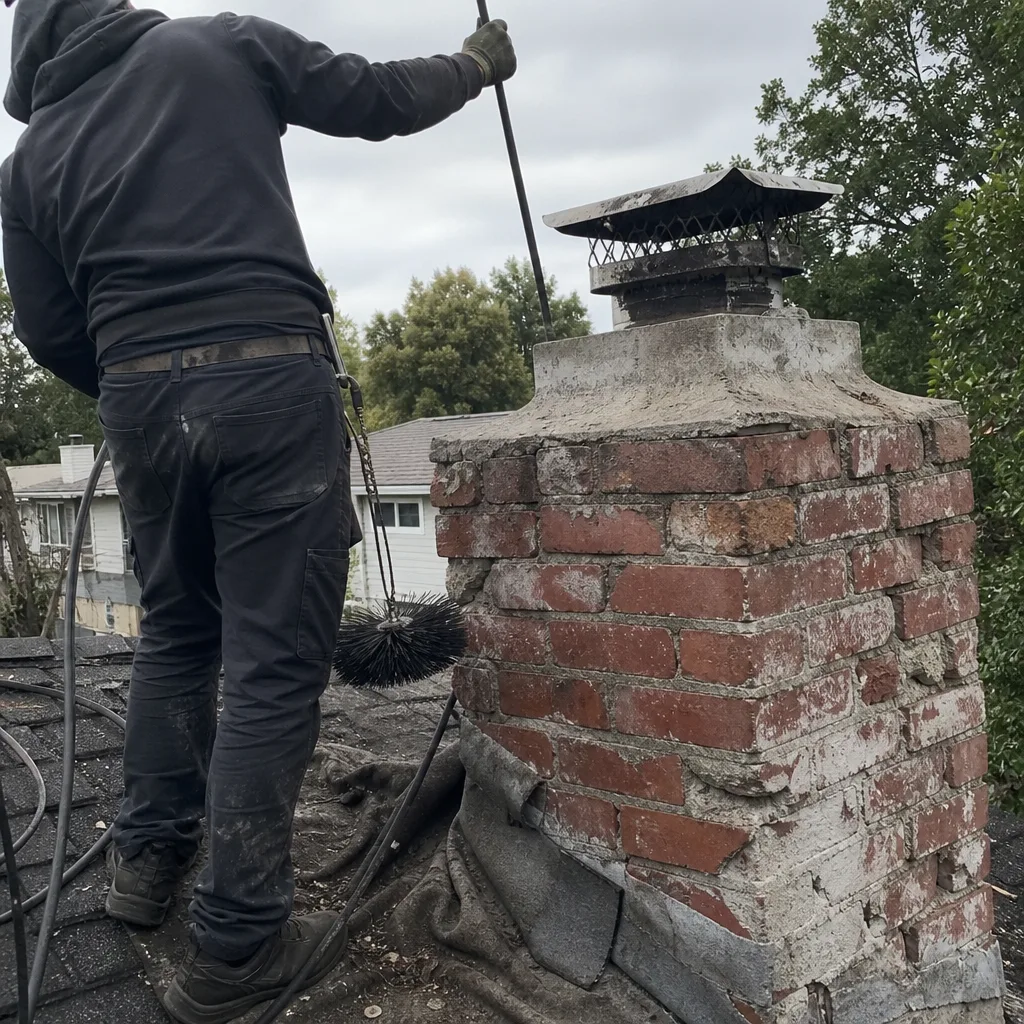 Before
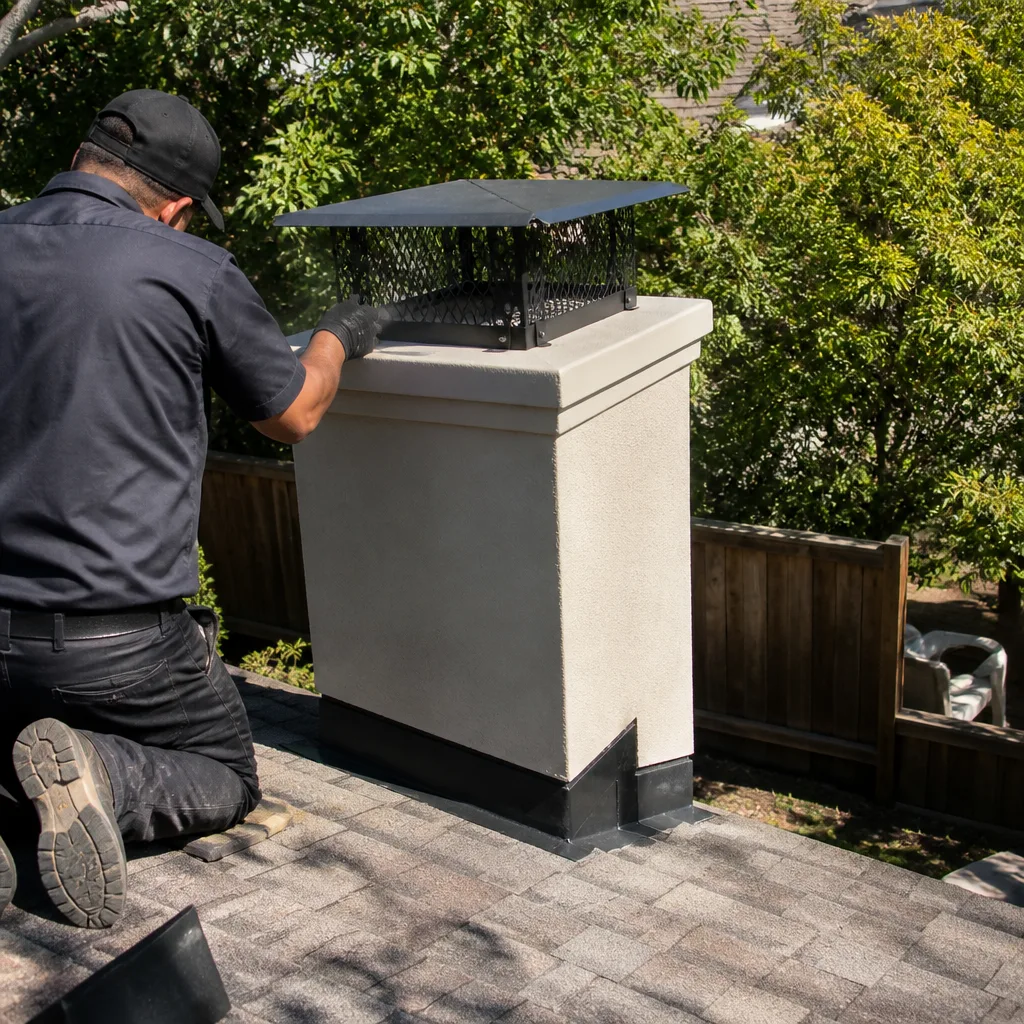 After
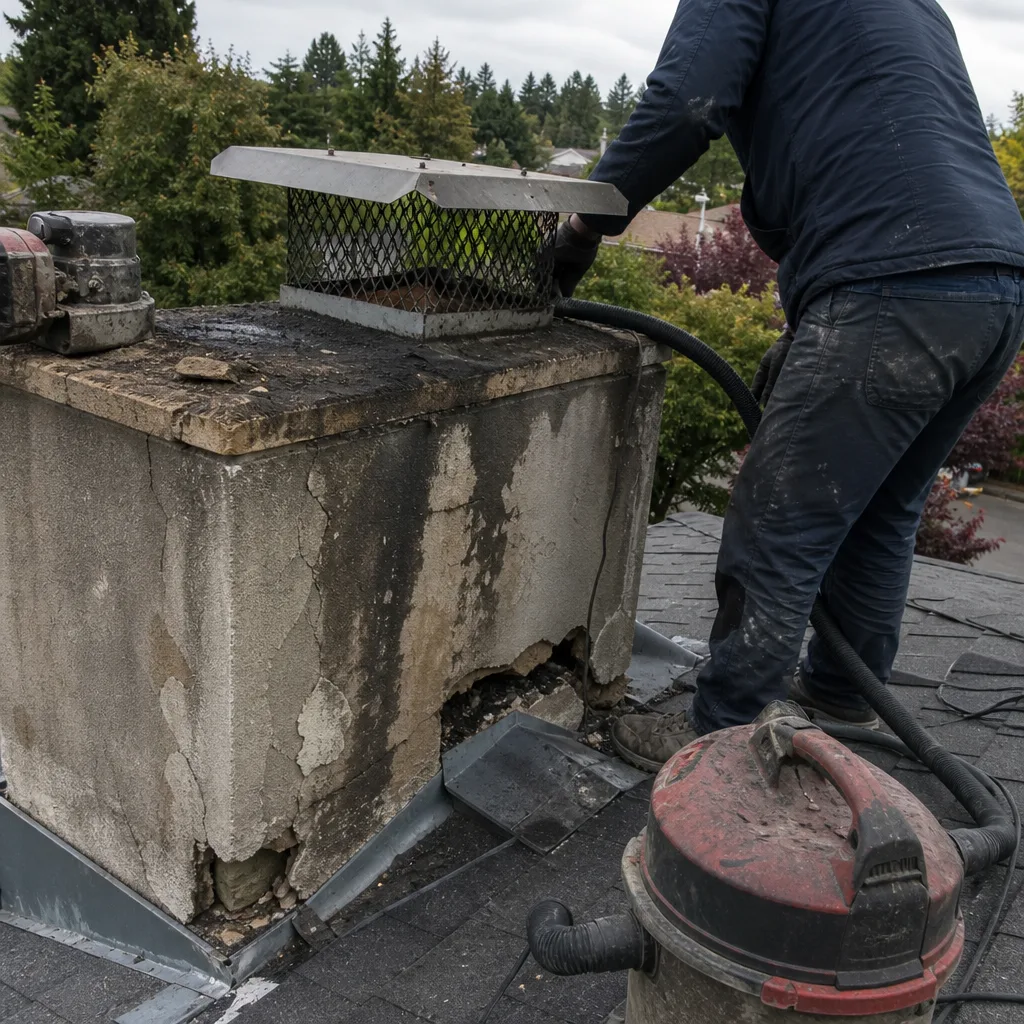 Before
 After
 Before
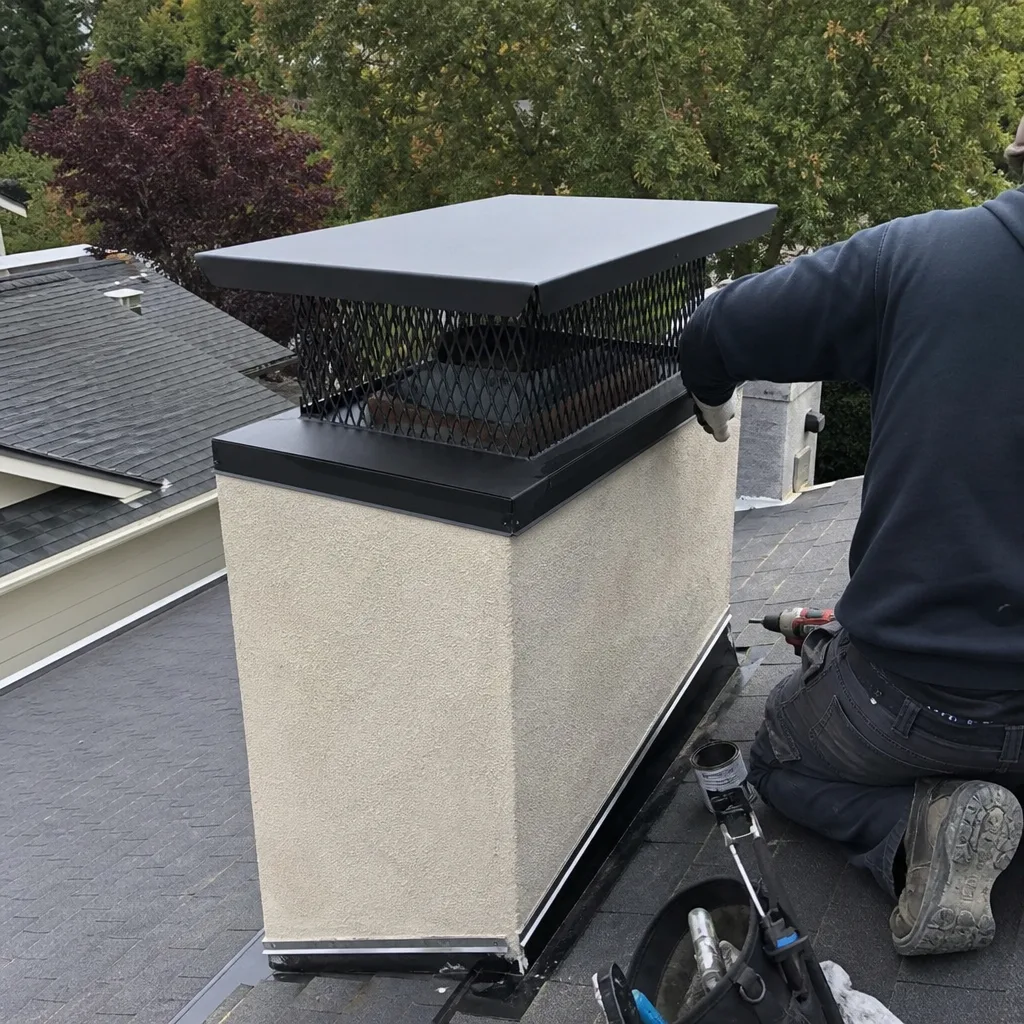 After
When to Call a Professional
You should call a professional chimney contractor when any of these situations apply: you’re selling a Palo Alto home and don’t have a Level 2 inspection report from the last 18 months; you’re buying and the inspection surface is unclear; you smell smoke indoors when the fireplace isn’t burning; you see flaking masonry at the crown; you hear loose material falling in the flue when wind blows; or you’ve been told by an inspector that your liner is cracked and you don’t know what that means for your fireplace’s future. You should also call if you’ve discovered unpermitted work – a professional can document the condition, determine what code path applies, and either correct or confirm what was done. Our team at Chimney Cleaning Palo Alto home works with Palo Alto homeowners across the city, from the Professorville historic district to newer construction in the Stanford hills. We offer free estimates in Palo Alto – call (833) 620-7463 and we’ll tell you what you’re looking at.
Frequently Asked Questions
No. Routine sweeping, Level 1 inspections, and most Level 2 video inspections are maintenance work and require no permit in Palo Alto or anywhere else in California.
Yes, in most cases. Installing a stainless liner like DuraFlex is a structural change to the flue and generally requires a building permit through the City of Palo Alto. Your contractor should confirm whether the specific job qualifies as repair or alteration before starting.
You inherited the issue, but you’re not necessarily stuck with the cost. If the work was done by a previous owner and never disclosed, you may have recourse; if it was disclosed, the disclosure likely placed the burden on the seller at the time of sale. Either way, you can resolve it now with a retroactive permit, which typically requires opening the work for inspection. Call us at (833) 620-7463 and we’ll walk through what the city will want to see.
The after-the-fact permit itself typically costs more than a standard permit – often double or more – but the real cost is in the re-inspection and any corrections the inspector requires. A liner that was installed without a permit often has to be partially removed to show the installation, which is why doing it right the first time is cheaper. Call (833) 620-7463 for a specific estimate.
It depends on the change. A like-for-like gas log set replacement needs no permit. But converting from a gas fireplace to wood-burning, or changing venting configuration when installing an insert, is an alteration that typically requires one.
For wood-burning fireplaces used regularly, once per year – and ideally before the first fall fire. For gas fireplaces with logs, every other year is adequate for most households, though a Level 1 inspection is inexpensive enough to make annual sense. If you’re in a zone of Palo Alto with significant leaf fall, such as the tree-heavy streets of Crescent Park or old Barron Park, more frequent inspections make sense because debris can block termination points and create draft failures.
The Bottom Line
California treats chimney work through a simple lens: maintenance doesn’t need a permit; structural alteration does. Cleaning, sweeping, and inspection are maintenance. Relining with a DuraFlex system, rebuilding the firebox, changing the venting configuration, or installing an insert is alteration, and Palo Alto’s building department expects a permit. The rule to remember is that paper trail matters as much as the work itself – a permit, a dated inspection report, and a signed repair record are what get you through a California real estate transaction cleanly. If you have smoke showing where it shouldn’t, a cracked liner from a previous inspection, or a sale on the horizon and missing paperwork, the time to sort it out is now. Explore more guides & resources on our blog, or Call (833) 620-7463 and we’ll do a free estimate and tell you exactly what your chimney’s situation requires.
Written by the team at Chimney Cleaning Palo Alto, serving Palo Alto since 2018.