
Last updated November 2, 2026
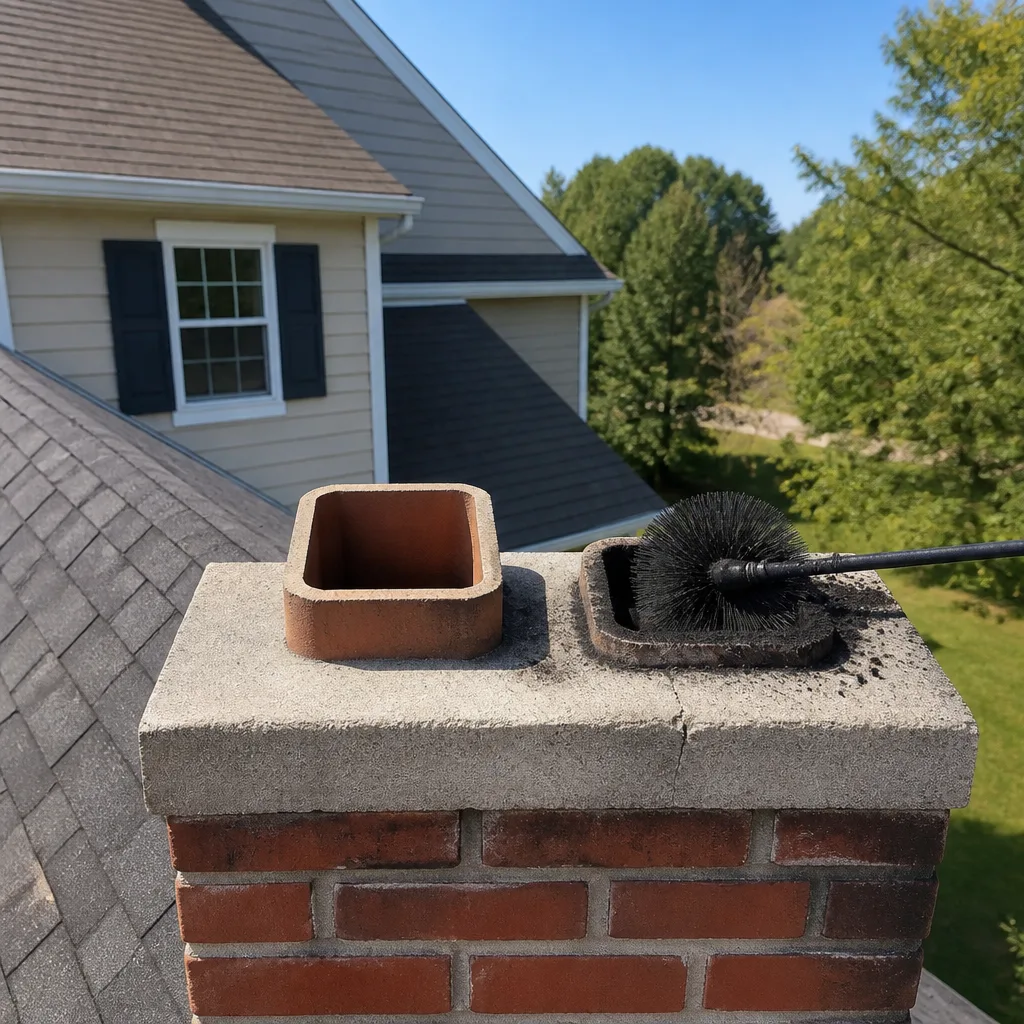 Sweep & inspection
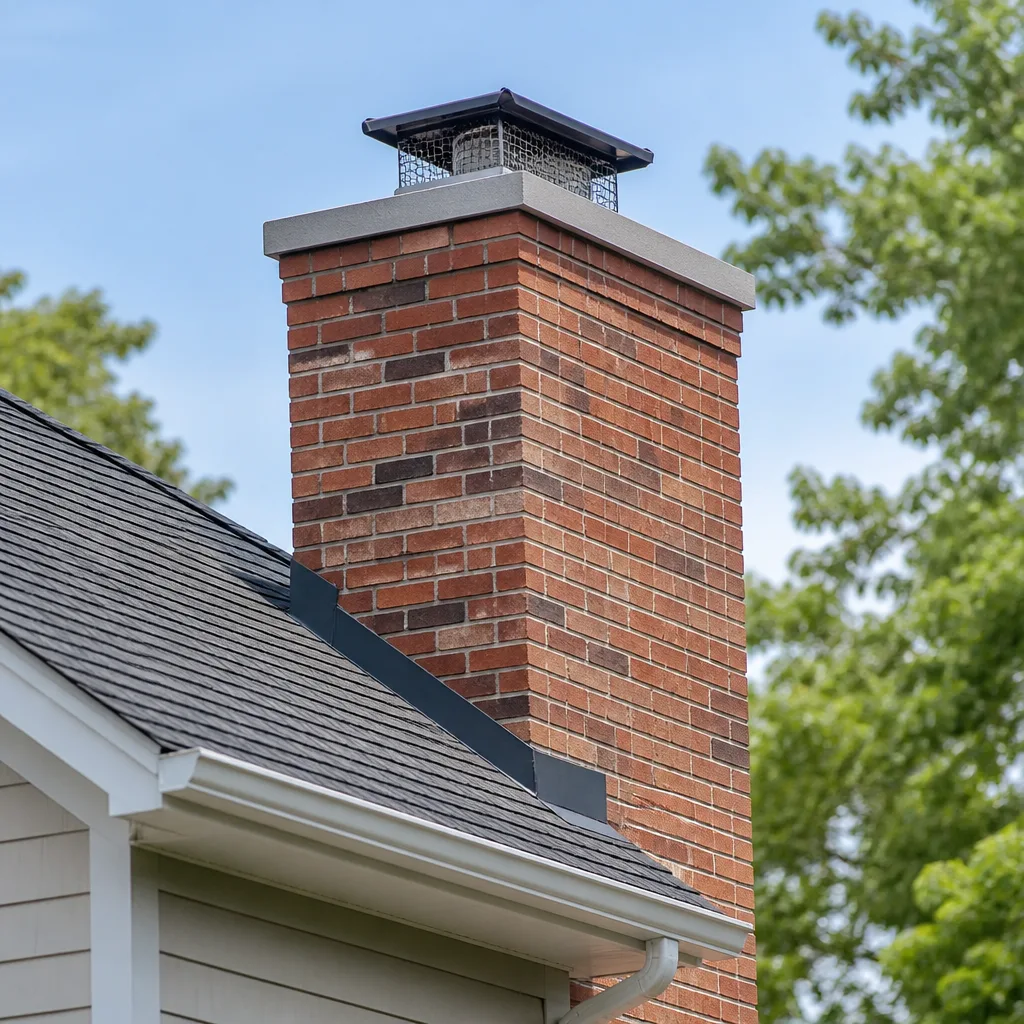 Caps & crowns
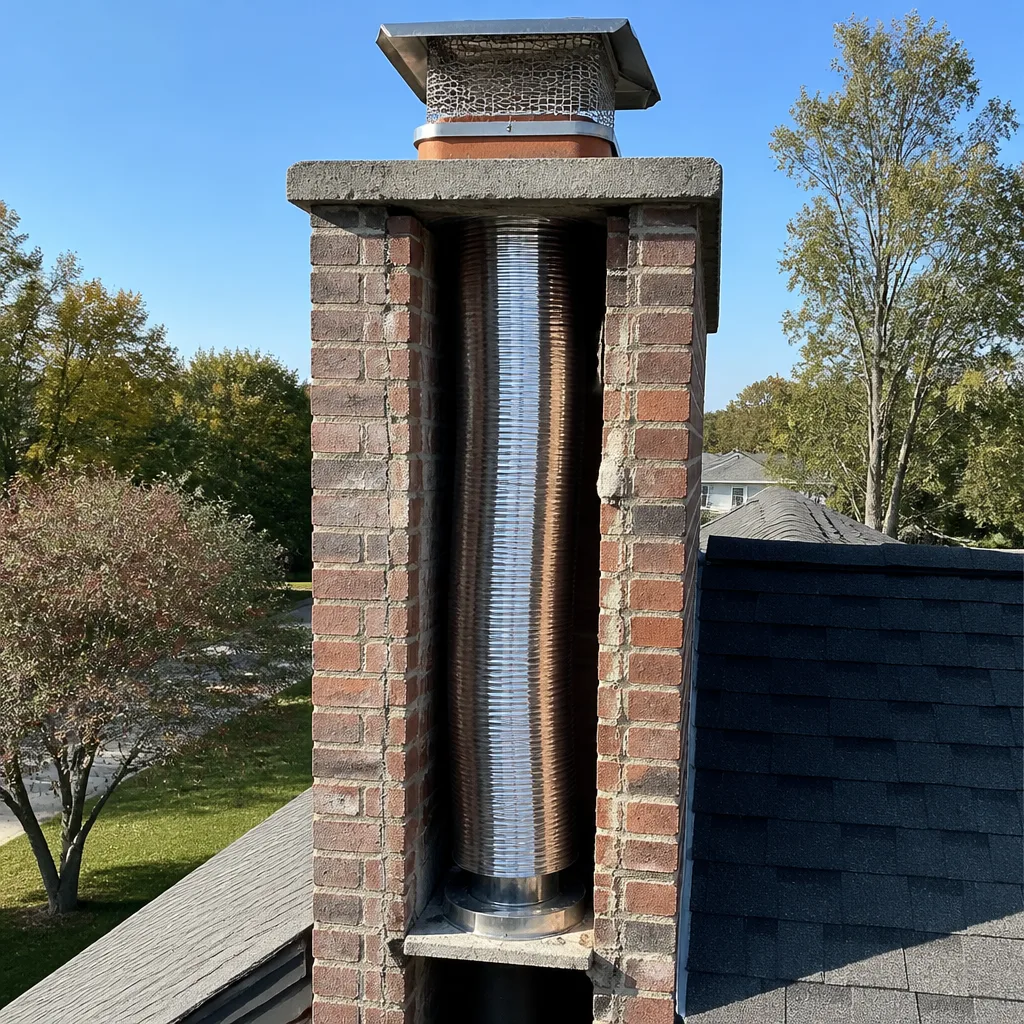 Flue relining
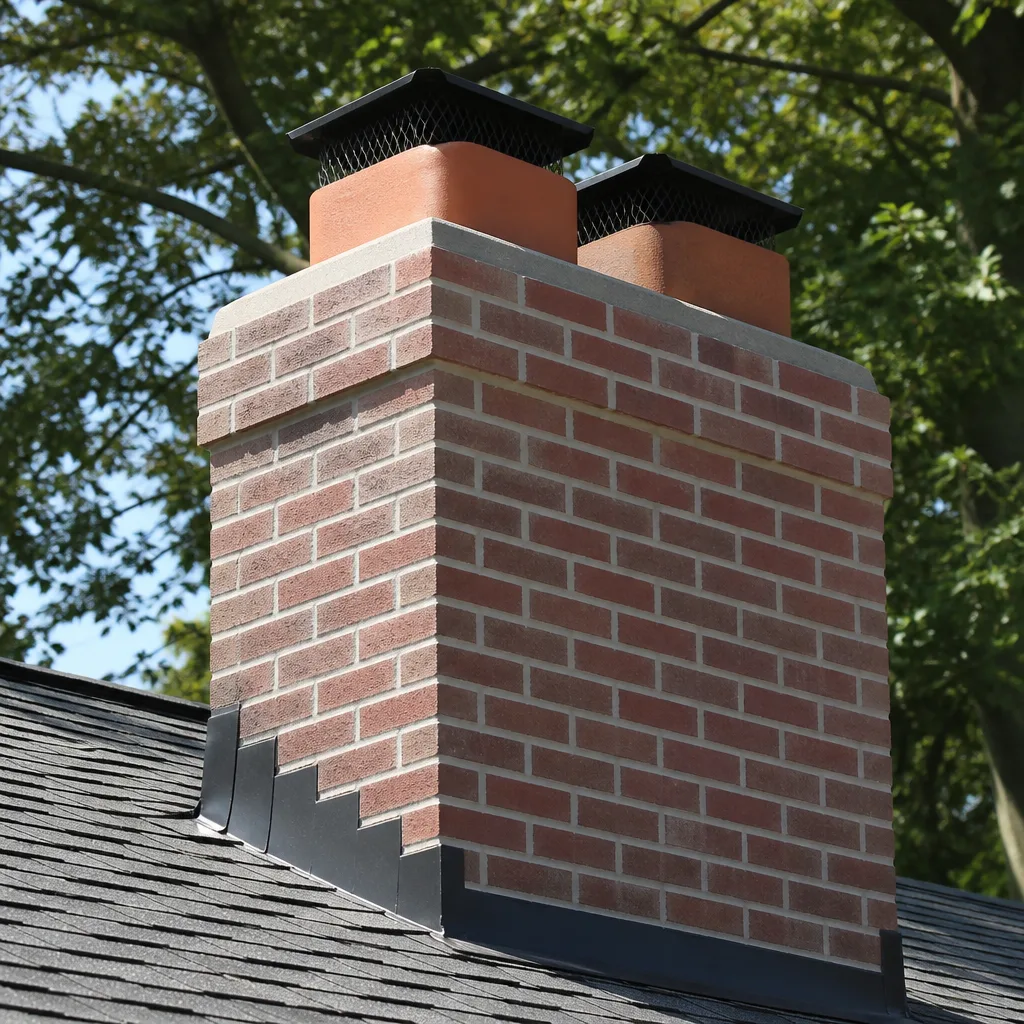 Masonry repair
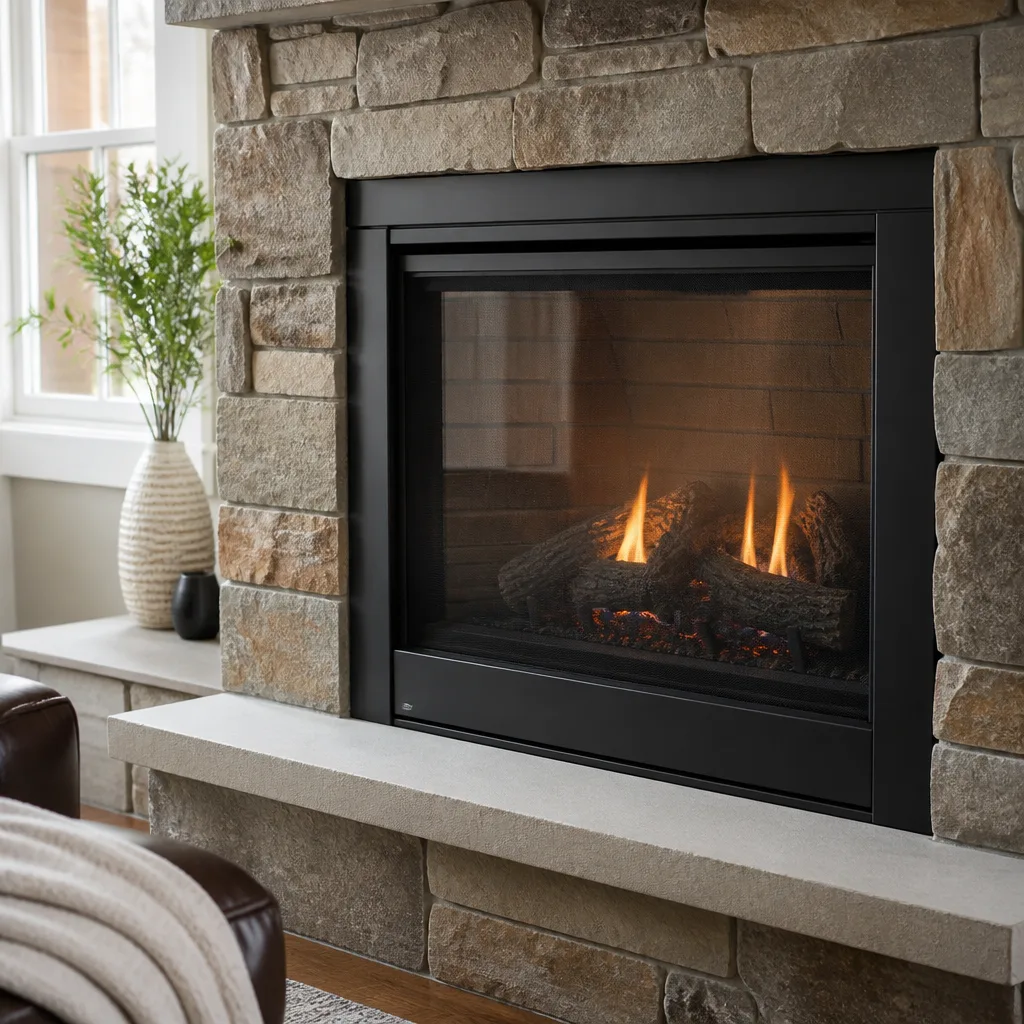 Gas fireplace service
Level 1 sweep and inspection to the NFPA 211 annual standard - flue, crown, cap, and flashing checked and photographed
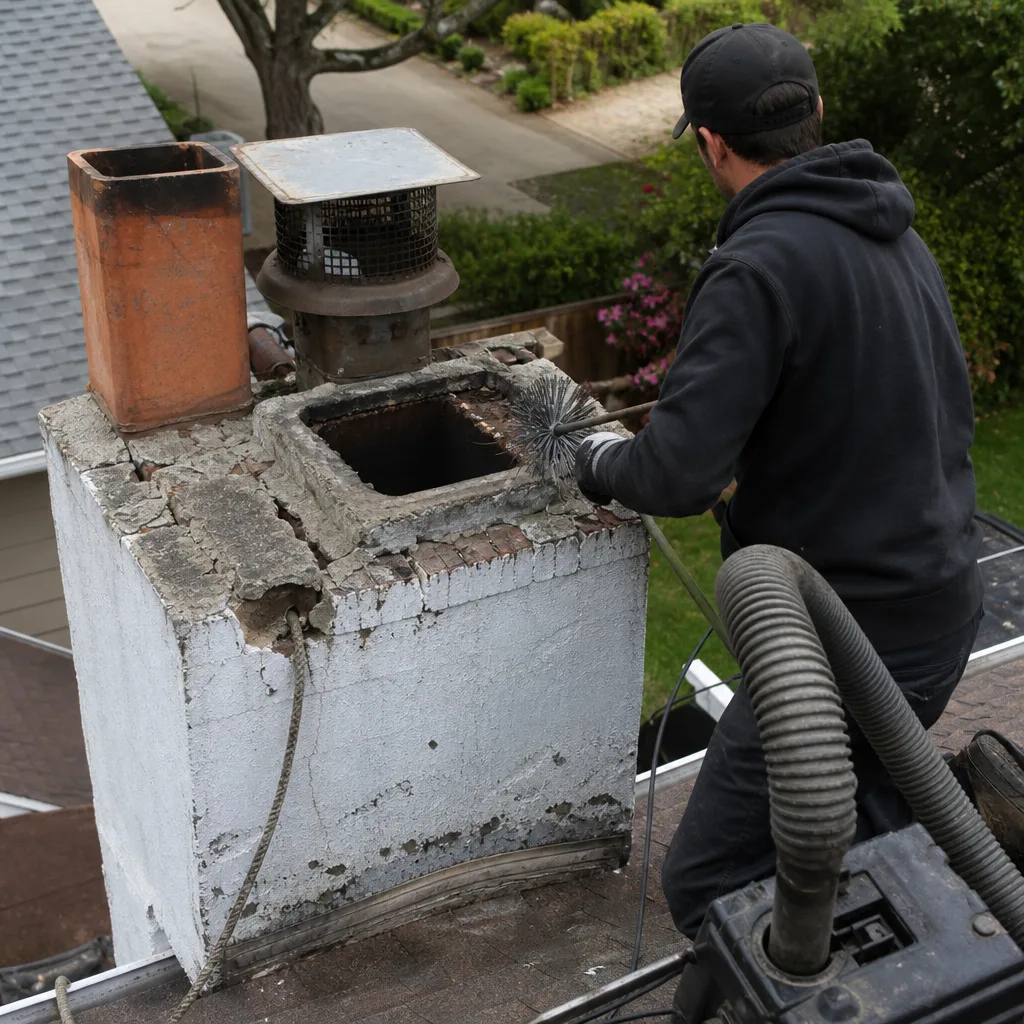
Chimney sweep logs do not sweep chimneys. They loosen some creosote - which then falls where a brush and vacuum still have to collect it.
Chimney Sweep Maintenance Checklist for Palo Alto Homeowners
The single most common thing homeowners skip on chimney maintenance isn’t the flue – it’s the cap. A missing or undersized cap on a Palo Alto home lets in raccoons, moisture, and debris year-round, even if the fireplace is never used. This guide walks you through a component-by-component chimney maintenance checklist, organized by what you can see from the ground, what requires a technician with a camera, and what needs repair before your next fire. We’ll cover crown, cap, flashing, damper, firebox, smoke chamber, and flue liner – plus how to document condition over time so you’re tracking deterioration instead of reacting to failures.
Quick Answer
A chimney maintenance checklist for Palo Alto homeowners means inspecting seven components – the crown, cap, flashing, damper, firebox, smoke chamber, and flue liner – at least once per year, ideally in late summer before burning season. Most ground-level checks take under ten minutes and can catch early cracking, rust, and nesting before they become structural repairs. Anything you can’t see clearly from the ground, especially the flue liner and smoke chamber, needs a camera inspection from a Chimney Sweep in Palo Alto who can document the condition on video.
Styles & brands we work with
- Sweep & inspection
- Caps & crowns
- Flue relining
- Masonry repair
- Gas fireplace service
Table of Contents
- The Seven-Component Chimney Checklist
- What Palo Alto Homeowners Can Check from Ground Level
- What Requires a Camera Inspection
- Cosmetic Wear vs. Repair-Before-Next-Fire
- How to Document Chimney Condition Over Time
- Why Gelco Caps and Stainless Dampers Last Longer
- Seasonal Timing for Palo Alto Chimney Care
- Common Mistakes to Avoid
The Seven-Component Chimney Checklist
Every chimney is a system, and the system is only as sound as its weakest component. In Palo Alto, where many homes date to the 1950s and 1960s, we see the same wear patterns repeat across neighborhoods – from Professorville to Barron Park. Here’s the checklist we use on every inspection, broken into what each part does, what goes wrong with it, and how often it needs attention.
The Crown
The crown is the concrete or mortar slab at the very top of the chimney that sheds rain and snow. In Palo Alto’s climate, crowns crack from thermal expansion – summer sun heats the crown to well over 100 degrees, then cool bay fog rolls in and contracts it. Over a decade, that cycle produces hairline cracks that widen into channels for water. A cracked crown lets water seep into the brick below, and in a region that gets most of its rain between November and March, the damage compounds during exactly the months when you’re using the fireplace most. Check the crown once a year, after the first heavy rain, looking for white efflorescence (salt deposits) on the brick below the crown line – that’s water penetration evidence you can see from your yard.
The Cap
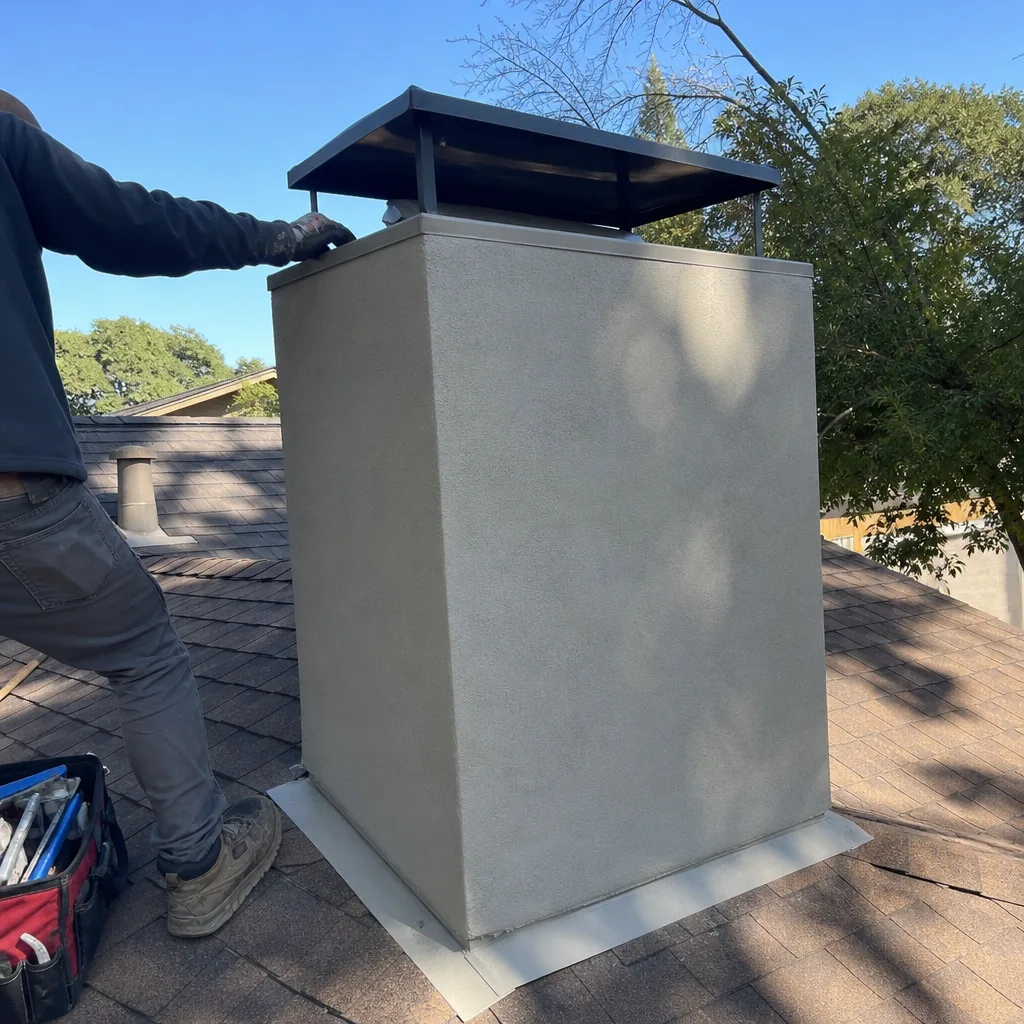
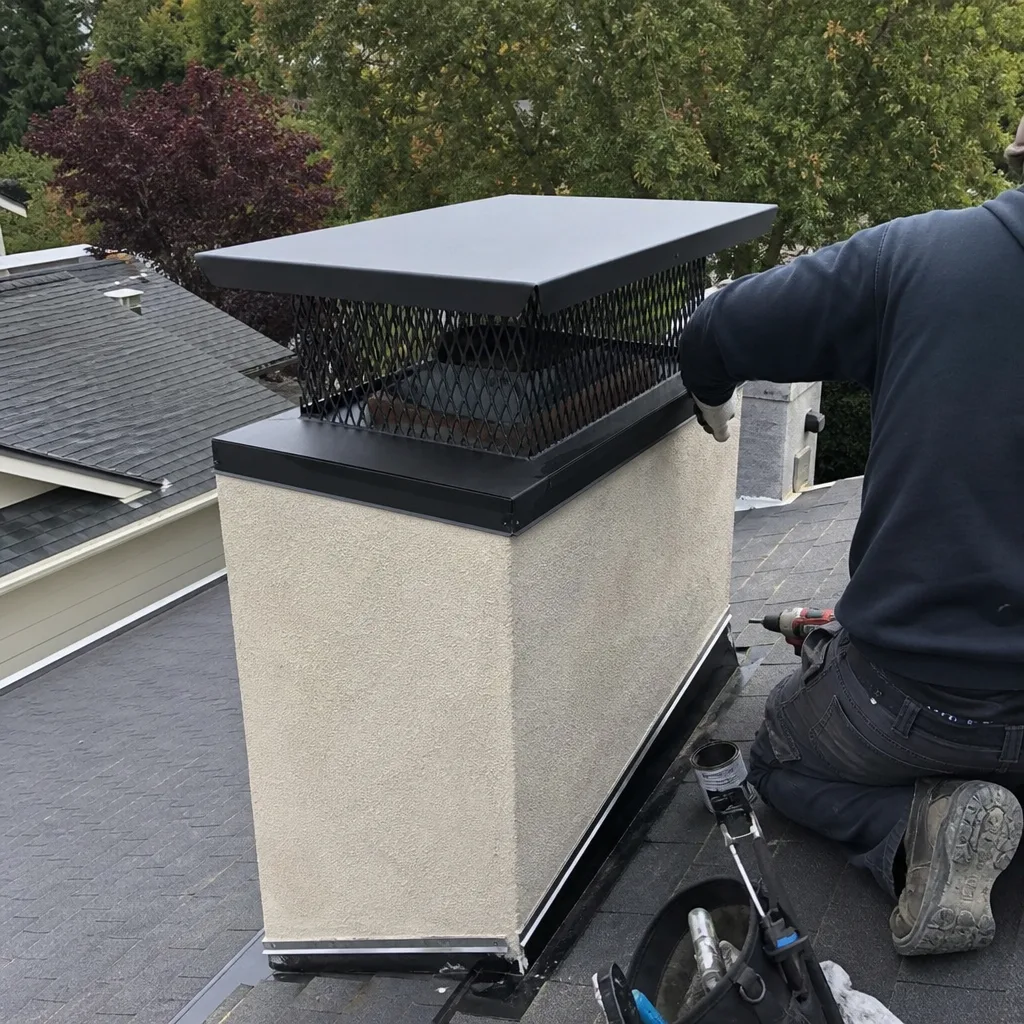
The cap is the metal or masonry cover over the flue opening itself – and it’s the part most Palo Alto homeowners forget exists. A missing or undersized cap is an open invitation to raccoons, squirrels, chimney swifts, and debris. Many older Palo Alto homes were built with masonry caps that have since eroded or cracked, or with no cap at all. If you can see daylight through the cap from your driveway, or hear birds in the chimney during nesting season, the cap has failed. Modern Gelco caps are a direct replacement that we stock because they’re built from heavy-gauge stainless or copper and hold up to coastal air and raccoons far better than builder-grade sheet metal. A cap check takes ten seconds from the ground with binoculars.
The Flashing
Flashing is the metal junction where the chimney meets the roofline – and it’s the single most common source of chimney-related water staining on ceilings and attic insulation in Palo Alto. When flashing rusts, peels, or separates from the roof, rain runs down the chimney and into the attic. The problem is more common here than in many parts of the country because Palo Alto’s clay-tile and composition roofs expand and contract at different rates than the masonry chimney. Look for rust, gaps, and lifted metal from the ground, and check your attic after a heavy rain for damp insulation around the chimney chase. Flashing repair is our most booked Chimney Repair in Palo Alto service in winter months.
The Damper
The damper is the metal plate inside the flue that seals the chimney when the fireplace isn’t in use. Builders installed cheap cast-iron dampers in most Palo Alto homes up through the 1980s, and those dampers rust, warp, and seize in the open or closed position. A damper that won’t close lets heated air escape through the chimney all winter – and in Palo Alto’s mild climate, the more noticeable effect is humidity and draft in summer. A damper that won’t fully open lets smoke back into the room. Check the damper’s movement monthly during burning season by feel: it should move smoothly without grinding, and you shouldn’t feel a cold draft through the firebox when it’s closed.
The Firebox
The firebox is the chamber where the fire actually burns. On a masonry fireplace, it’s built from firebrick and refractory mortar, both of which crack from repeated heating and cooling cycles. Palo Alto homeowners who burn regularly from Thanksgiving through March – common for gas-insert and wood-burning homes in Old Palo Alto and Midtown – can expect to see hairline mortar cracks after three to five years. Hairline cracks in the firebox are cosmetic until they widen enough to expose combustible framing behind the brick. That’s the point at which they become a fire hazard. Inspect the firebox before and after every burning season with a flashlight, and schedule a professional look if any crack is wider than the edge of a nickel.
The Smoke Chamber
The smoke chamber is the angled section between the firebox and the flue liner – and it’s the place most DIY inspection checklists skip entirely. Because the smoke chamber narrows on an angle, it was often built in older Palo Alto homes with corbeled brick and shallow mortar joints that catch creosote and debris. The chamber can’t be inspected from the ground or through the firebox; it requires a camera pushed up through the damper opening. When we scope a smoke chamber and find heavy creosote or cracked mortar, we can often address it with HeatShield resurfacing rather than a full rebuild – a restoration approach that saves Palo Alto homeowners thousands compared to tearing out the chamber.
The Flue Liner
The flue liner is the continuous channel that carries smoke and combustion gases from the firebox to the top of the chimney. In homes built before the 1970s, the liner was often built from terra cotta tiles, which crack under the same thermal stress that damages the crown and firebox. A cracked or missing liner can allow heat and gases to reach the brick and framing of the house. In our experience, the majority of Palo Alto chimneys over 50 years old either need a liner repair or a full reline. We install DuraFlex flexible liner systems for full relining – these are stainless steel, continuous from firebox to cap, and sized to the existing flue for a proper draft. A camera inspection of the liner is the only way to see its condition; there’s no ground-level check that substitutes.
What Palo Alto Homeowners Can Check from Ground Level
You don’t need a ladder on your roof to do a meaningful chimney inspection. In fact, climbing onto a roof in Palo Alto’s wet winter or on clay tile is dangerous enough that we recommend ground-level checks and binoculars over roof walks for most homeowners. Here’s the checklist that takes under ten minutes:
- Look at the cap. Does it sit squarely on the flue? Is it rusted, tilted, or missing? If the cap is intact, you’ve closed off entry to animals and most debris.
- Scan the crown for visible cracks. With binoculars, look for dark lines across the crown surface, missing chunks, or a white chalky residue on the brick below the crown.
- Inspect the flashing at the roof line. Look for lifted metal, rust, or gaps where the flashing meets the roof. Water stains on the ceiling inside are also a flashing red flag.
- Look at the exterior brick and mortar. Spalling (flaking brick face) and deteriorating mortar joints are visible from the ground and indicate water has been getting into the masonry. In Palo Alto’s climate, spalling often means the crown or flashing has been failing for years.
- Listen for animals. Chirping, scratching, or rustling from the chimney in spring and early summer means the cap has failed.
- Check the damper from the firebox. Open and close it. You should feel smooth movement, not grinding. Confirm that no cold air is moving through when it’s closed.
- Look for efflorescence on the interior firebox walls. White salt deposits mean water is getting into the masonry from above.
If any of these checks turns up something you don’t like, document it with a photo and call for a professional inspection. Most conditions caught at this stage are repairable. Left alone for a season or two, they turn into structural projects. For Palo Alto homeowners, Chimney Cleaning Palo Alto home inspections cover all seven components with a camera report at no extra charge.
What Requires a Camera Inspection
Three of the seven components – the flue liner, the smoke chamber, and the interior of the damper throat – can’t be assessed from the ground or through the firebox with a flashlight. In Palo Alto, where many chimneys date from the post-war build-out between 1945 and 1970, those hidden components are often the ones in the worst condition. Terra cotta liner cracks, corbeled smoke chamber mortar, and rusted damper throats don’t announce themselves until something fails – a chimney fire, a smoke backup, or water in the attic.
A camera scope is a small video camera pushed up through the damper opening, capturing continuous footage of the liner, smoke chamber, and throat. The entire process takes about twenty minutes and produces a video record you can keep. Here’s what the camera finds that a visual inspection misses:
- Hairline liner cracks that haven’t shown symptoms yet but will widen under heat
- Creosote glazing – the hard, shiny creosote that forms during slow, low-temperature burns, which is a chimney fire fuel
- Debris blockages – leaves, bird nests, tennis balls, and squirrel debris that restrict draft
- Smoke chamber irregularities – shallow mortar joints and protrusions that trap creosote
- Misaligned or missing liner tiles from past chimney fires or frost heave
In our experience, about one in three Palo Alto chimneys we scope has a condition that needs repair, not just sweeping. A camera report gives you the specific evidence to make that call. We don’t recommend a repair we can’t show you on video. That’s the standard.
Cosmetic Wear vs. Repair-Before-Next-Fire
The distinction between cosmetic wear and conditions that must be fixed before you burn again is the most important judgment on this checklist. It’s also where we see Palo Alto homeowners make the most dangerous mistakes – either ignoring real hazards because the chimney “looks fine from outside,” or paying for unnecessary rebuilds because a previous contractor upsold a cracked brick.
Cosmetic Wear: Monitor, Don’t Panic
- Hairline mortar cracks in the firebox under 1/16 inch, without displacement
- Surface rust on the cap or flashing with no holes or separation
- Light efflorescence on exterior brick that appears after rain and recedes in dry weather
- Cosmetic staining on the firebox floor from ashes and soot
These conditions can be monitored with annual photos. They don’t need immediate repair, but they do need to be watched so you know when they cross a line.
Repair Before the Next Fire
- Any crack in the firebox wider than 1/16 inch with visible displacement or gaps between bricks – heat can reach framing behind the firebox
- Missing, cracked, or misaligned flue liner tiles – a direct path for heat and gases into the chimney structure
- A damper that won’t close – this wastes heat and lets humidity in, but more critically, a damper that won’t open means smoke and carbon monoxide aren’t venting
- Water staining on the ceiling or attic insulation around the chimney chase – the flashing or crown has already failed
- Heavy creosote glazing on the liner walls – this is the fuel for a chimney fire, and the fire will be inside your chimney
- A missing cap with evidence of an animal – nests and debris can block the flue while the animal is still inside
When something falls in this second list, don’t burn until it’s inspected and repaired. We complete most pre-burn repairs in a single visit, including liner work using DuraFlex systems and HeatShield resurfacing – so the chimney is ready for the season, not in limbo waiting on a second trade.
How to Document Chimney Condition Over Time
Reacting to chimney failures is expensive. Tracking condition over time is cheap. We recommend a simple documentation system that any Palo Alto homeowner can do with a smartphone and a folder, so you’re making decisions from evidence, not from a contractor’s word.
- Create a chimney folder in your photos app, or a physical binder. Name it “Chimney – [Year].” Every photo and inspection report goes here.
- Take the same seven photos every year from the same angles: cap, crown, flashing, full chimney exterior, firebox floor, firebox side walls, and damper from below. Same angles make year-over-year comparison possible.
- Save your camera inspection video. If you get a professional sweep or inspection, ask for the video file. Three years of videos tells you more than any single inspection.
- Note the date of every burn season start and end. How many fires you burn matters as much as the years between inspections. A Palo Alto home that burns 50 fires a year ages the chimney faster than one that burns 10.
- Record any maintenance done. Sweeps, cap replacements, crown sealing, liner repairs – note the date, the provider, and the materials used. This creates a service history that future technicians can use instead of starting from zero.
A five-year photo record gives you and your technician the ability to say, “This crack was 1/32 inch in 2021, 1/16 in 2023, and it’s now 1/8 – time to repair.” That’s the difference between a $600 repair and a $6,000 rebuild. We also use this documentation when HeatShield resurfacing is on the table, since the decision to resurface or reline depends on the rate of deterioration over time, not just today’s snapshot.
Why Gelco Caps and Stainless Dampers Last Longer
Material choice changes the maintenance interval. That’s not a marketing line – it’s observable in the field. When we replace chimney components in Palo Alto, we use professional-grade hardware from manufacturers like Olympia Chimney, Famco, and Copperfield because those parts have measurably longer service lives than builder-grade alternatives, and we’d rather install a component once than come back in five years to replace it again.
Caps: Gelco vs. Builder-Grade
A standard builder-grade cap is galvanized sheet steel, typically 26-gauge, with a slide-on fit. In Palo Alto’s marine-influenced air, galvanized caps rust through in three to five years – faster if the home is within a few miles of the bay. A Gelco cap is fabricated from heavy-gauge stainless or copper, with a custom-fit base that bolts or screws to the flue, not just slides on. The material difference means a Gelco cap typically lasts twenty to thirty years in Palo Alto conditions. The fit difference means raccoons can’t pry it off. For a component that prevents more chimney damage than any other single piece, the upgrade is the cheapest insurance on the checklist. See our Choosing the Right Chimney Cleaning Brand: A Buyer’s Guide for Palo Alto for more on selecting quality materials.
Dampers: Stainless Steel vs. Cast Iron
Builder-grade dampers are cast iron with unsealed pivot joints. In Palo Alto, where we burn in conditions that produce acidic condensation in the flue, cast iron dampers corrode predictably. Stainless steel dampers from Famco or Copperfield are constructed from alloys that don’t corrode under condensation, and their pivot mechanisms are sealed. In practice, a stainless damper doesn’t need replacement for decades. We stock these specifically because we’ve replaced enough rusted cast-iron dampers in mid-century Palo Alto homes to know the pattern.
The Maintenance Interval Effect
Here’s the practical consequence for your checklist: a Gelco cap and a stainless damper move those two components off the “check every year because something might fail” list and onto the “check every three to five years” list. That reduces the most common failure modes on Palo Alto chimneys – animal entry through a failed cap and draft loss through a seized damper – to near zero. For a chimney you’re maintaining over twenty years of ownership, the parts decision is the checklist.
Seasonal Timing for Palo Alto Chimney Care
Palo Alto doesn’t have a brutal winter, but we do have a defined burning season – roughly late October through March, with occasional shoulder-season fires in September and April. That seasonality defines the maintenance calendar. The right time to book a Chimney Sweep services and inspection is late summer, before the first rain and the first fire. Here’s the seasonal logic:
- Late summer (August – September): Best window for sweeping and inspection. The flue is dry from months of non-use, creosote is fully cured, and any water damage from the previous winter is visible. If repairs are needed, there’s time to complete them before the first fire.
- Fall (October – November): Busiest season for sweeps. Palo Alto chimney companies are booked out weeks in advance. If you discover a liner crack in November, you may not get it repaired before Thanksgiving fires.
- Winter (December – February): Emergency season for chimney and flashing repairs. Water intrusion and smoke backup calls spike during heavy rains in Palo Alto.
- Spring (March – May): Good time for post-season inspection, especially if you burned heavily. Creosote glazing from low-temperature winter burns should be removed before it hardens.
- Summer (June – July): Good time for dryer vent cleaning, which is independent of the chimney season. We offer Dryer Vent Cleaning in Palo Alto as a dedicated service because dryer lint is a year-round fire hazard with no burning season.
Common Mistakes to Avoid
- Skipping the cap check because the fireplace “isn’t used.” An unused fireplace with no cap lets in rain, animals, and debris. The cap is the single highest-impact item on the checklist, and it’s the easiest to check from the ground.
- Burning a fireplace without a camera inspection of the liner. Many Palo Alto homeowners inherit chimneys that haven’t been inspected in decades. The firebox can look clean while the liner is cracked and unsafe. Burn only after the liner has been scoped.
- Treating water stains as roof leaks, not chimney leaks. A water stain on the ceiling near the fireplace is more often flashing or crown failure than a shingle issue. Check the chimney chase in the attic before calling a roofer.
- Painting over efflorescence instead of fixing the water entry. Efflorescence is salt deposited by water moving through masonry. Paint seals the salt in and traps moisture – it doesn’t fix the crown or flashing that’s letting water in.
- Using a hardware store cap on a custom flue. The wrong size cap slides off, leaks, or gets pried off by raccoons within a season. A correctly fitted Gelco cap lasts decades.
- Ignoring a damper that’s stuck closed. A damper that won’t open forces smoke and carbon monoxide back into the room. If yours won’t open, don’t burn.
- Failing to document inspection results. Without a photo and video record, you have no way to prove deterioration or catch a slow-developing crack before it becomes a rebuild.
When to Call a Professional
If your checklist has turned up a missing cap, cracked crown, water stains, animal activity, or any firebox or liner condition you can’t fully assess, call for a professional inspection. The camera scope is the decisive test. A technician who can show you video of the liner, smoke chamber, and damper throat gives you evidence to make a repair decision, not just an opinion. For more detail, see our Chimney Sweep Troubleshooting: Common Problems and How to Fix Them. Chimney Cleaning Palo Alto offers free estimates in Palo Alto – call (833) 620-7463 to schedule an inspection or ask about our camera report.
See the difference
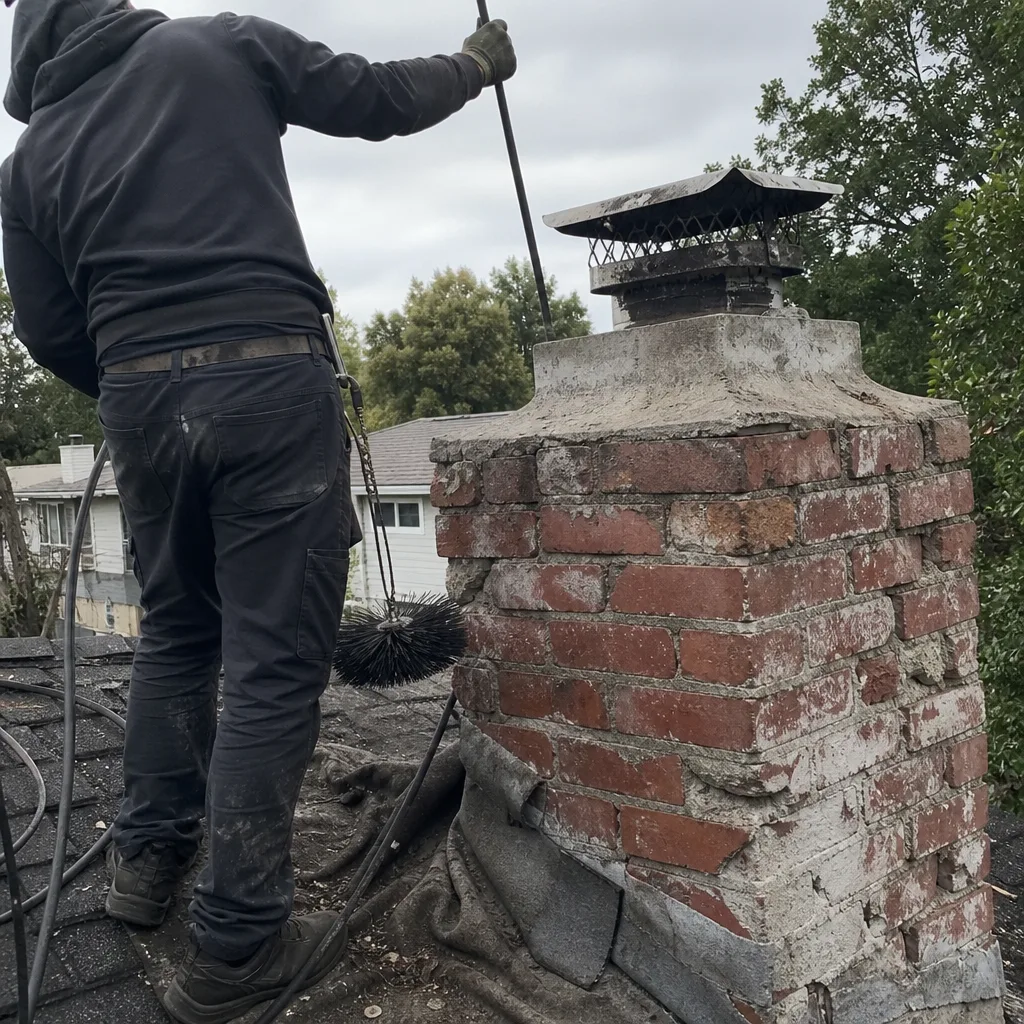 Before
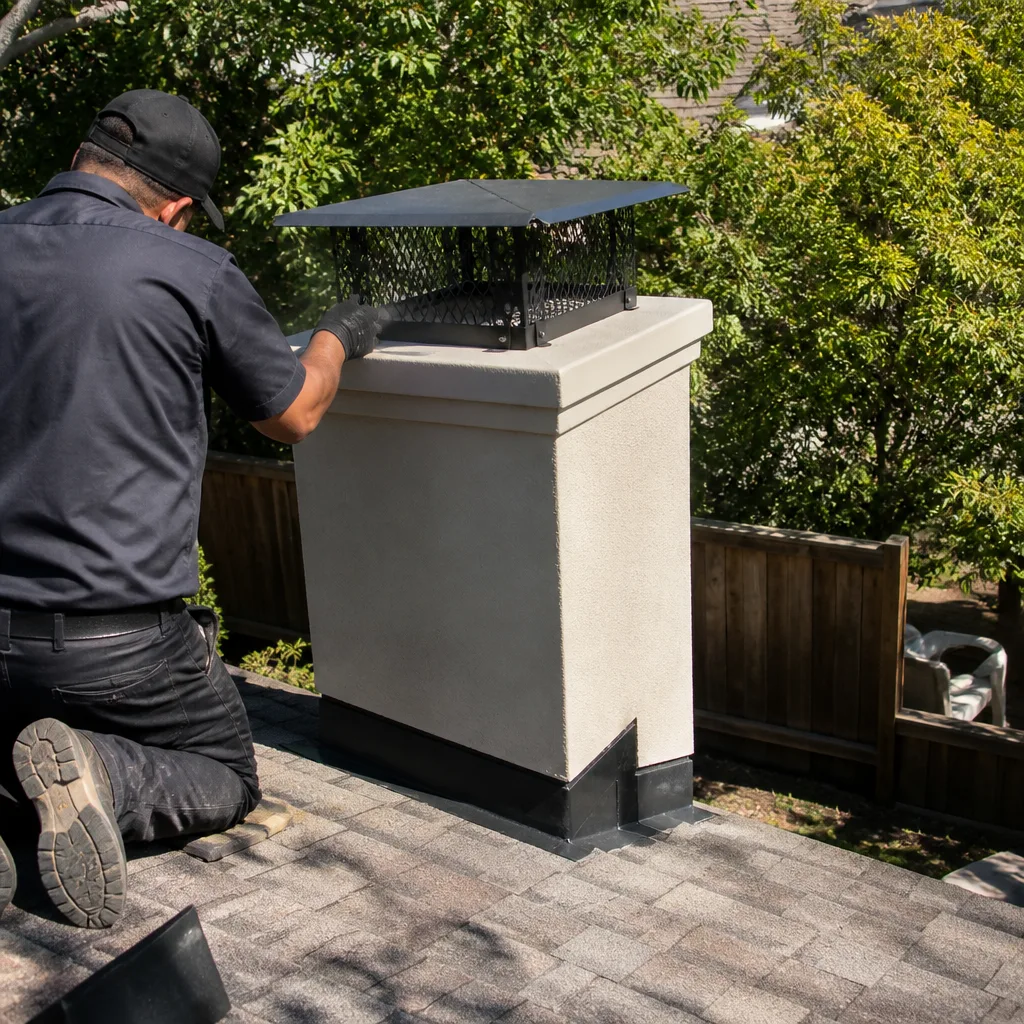 After
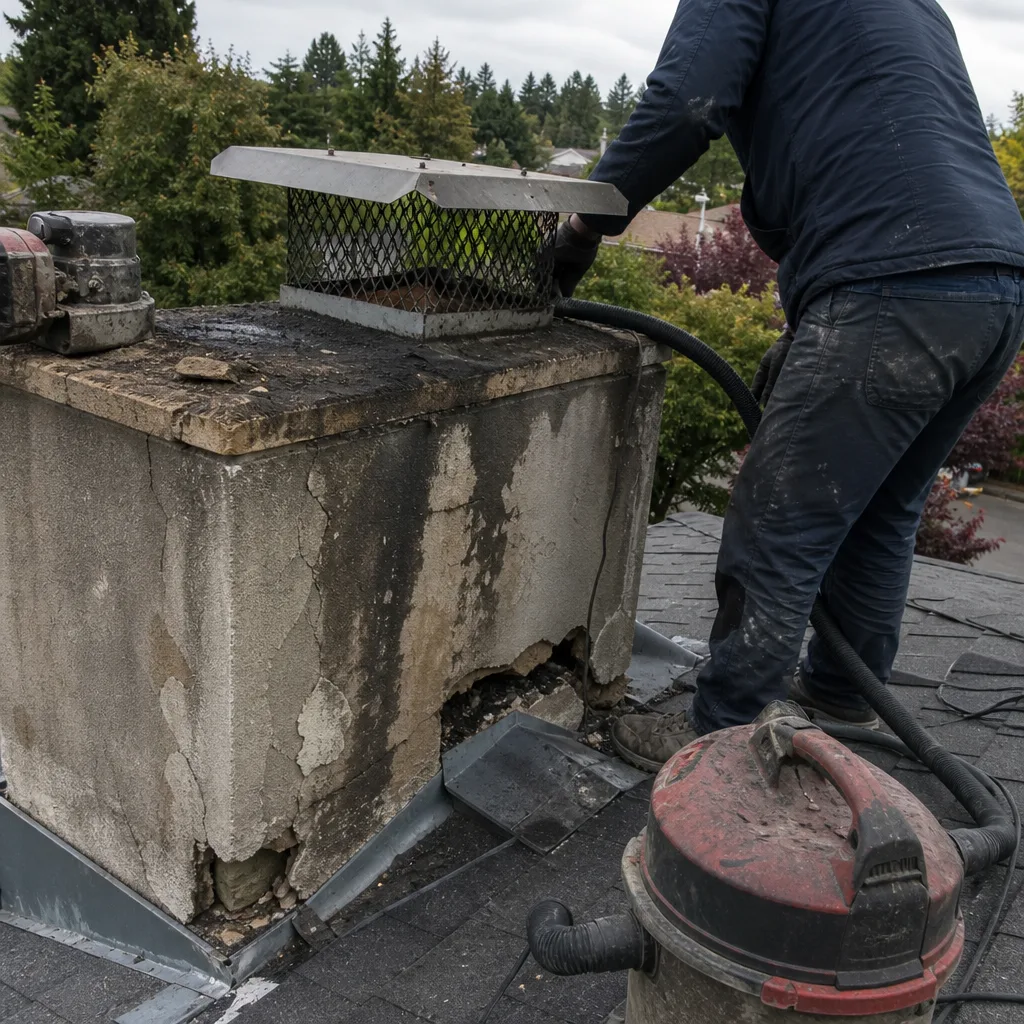 Before
 After
 Before
 After
Frequently Asked Questions
A wood-burning chimney should be swept annually if you burn more than 20 fires per season, and every two years if you burn less. Palo Alto’s burning season runs roughly October through March, and most local homes fall into the annual-sweep category. Gas fireplaces need less frequent sweeping but still benefit from an annual visual check of the cap, crown, and flashing.
A full sweep includes removing creosote and soot from the flue liner, smoke chamber, and firebox, plus a camera inspection of the liner and smoke chamber and a visual check of the cap, crown, and flashing. At Chimney Cleaning Palo Alto, the camera report is included, not an upsell.
Not necessarily. A cracked terra cotta liner can often be restored with HeatShield resurfacing, which applies a ceramic coating over the existing liner to seal cracks and restore structural integrity. If the liner is too far gone, a DuraFlex stainless steel liner is the full replacement. We’ll show you the camera footage before recommending either path.
Costs vary widely by component. A cap replacement runs a few hundred dollars installed, a crown reseal is comparable, a damper replacement is a few hundred, and a full DuraFlex liner replacement is a few thousand. The only way to get an accurate number is a camera inspection. Call (833) 620-7463 for a free estimate – we’ll show you exactly what we found.
You can clean visible soot from the firebox, but the flue liner and smoke chamber require brushes and rods sized to your specific chimney, plus PPE for creosote dust. Most importantly, a home cleaning doesn’t include a camera inspection of the liner – which is the part that actually determines whether the chimney is safe to burn. If you want an annual camera report, hire a professional.
No. A sweep removes creosote and debris. A repair fixes structural issues – cracked liners, failed caps, rusted dampers, water-damaged crowns. We perform both, and the inspection part of a sweep often reveals repair needs. Having one company for both means the repair is done with professional-grade components from Olympia Chimney and Copperfield, not referred out to a separate contractor.
The Bottom Line
A Palo Alto chimney is seven components working together, and the maintenance checklist should treat them that way. Check the cap, crown, and flashing from the ground every season. Check the firebox and damper before every burning season. Get a camera inspection of the liner, smoke chamber, and damper throat annually – because those hidden parts are where fires and leaks start. Document everything with photos and video, so you’re tracking deterioration rather than reacting to it. And when a component fails, replace it with professional hardware – Gelco caps, stainless dampers, DuraFlex liners – that reduces the next decade’s maintenance on the whole system.
Written by the team at Chimney Cleaning Palo Alto, serving Palo Alto since 2018.