
Last updated November 3, 2026
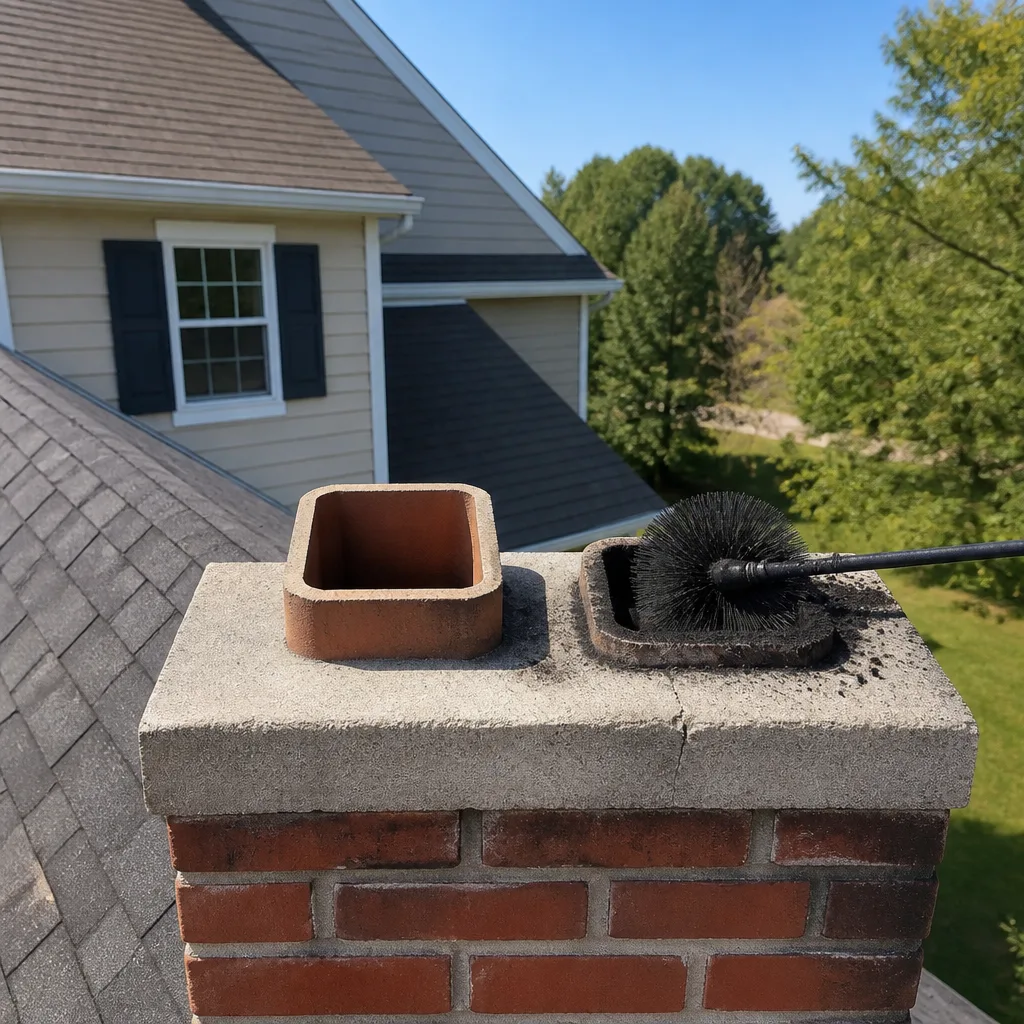 Sweep & inspection
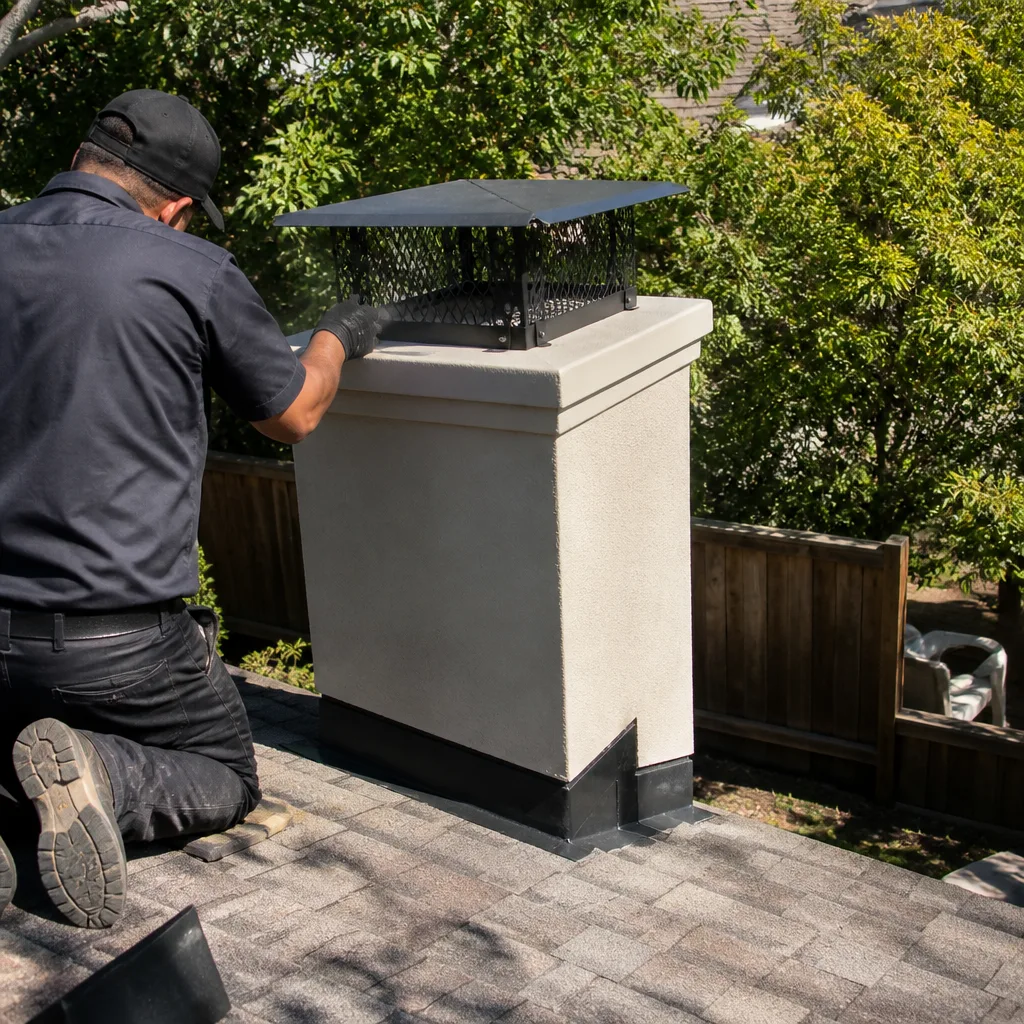
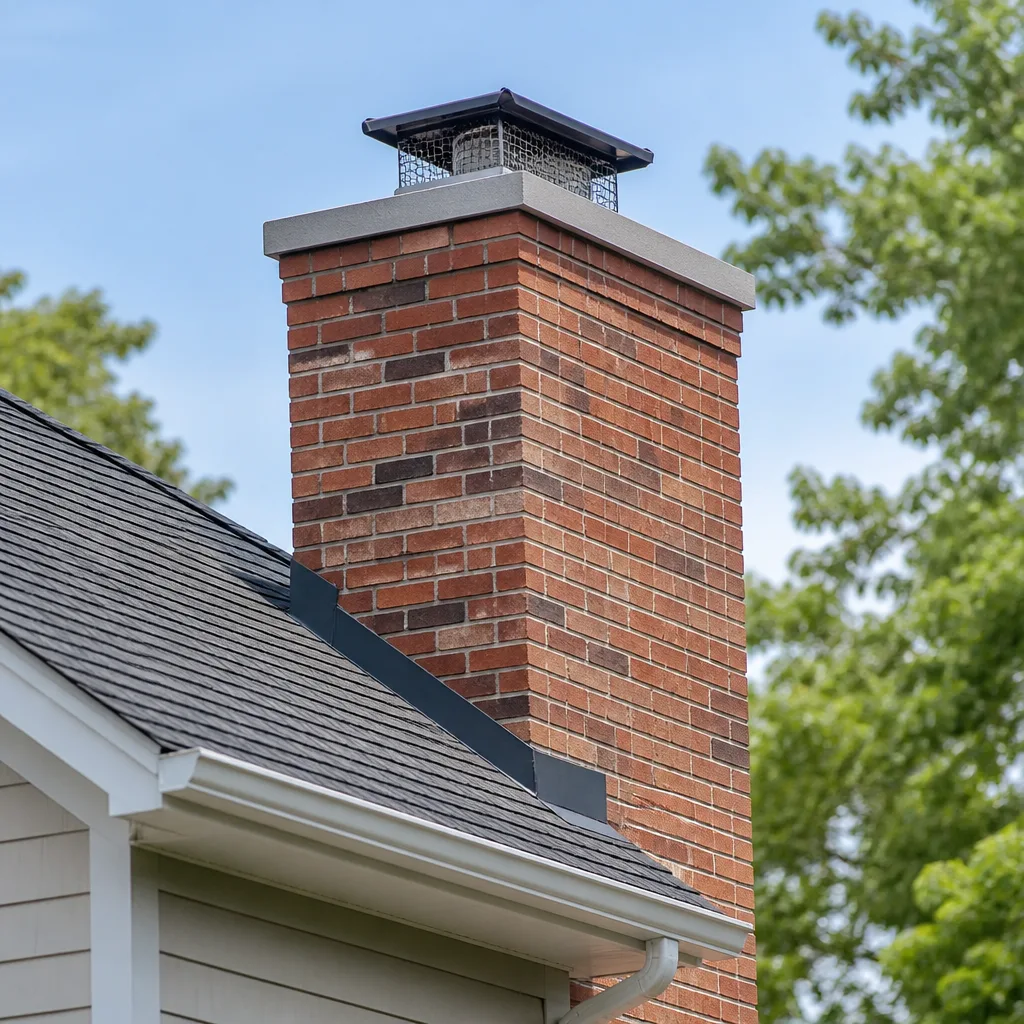 Caps & crowns
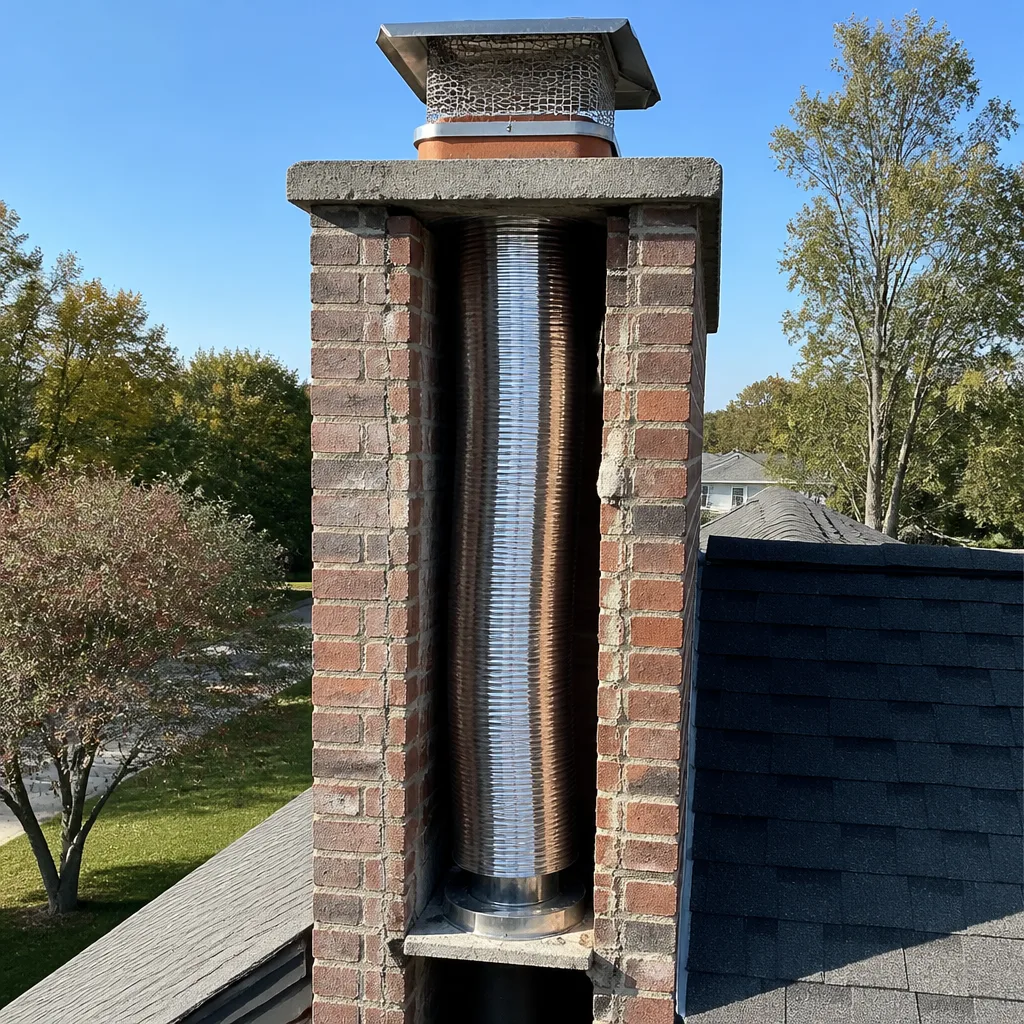 Flue relining
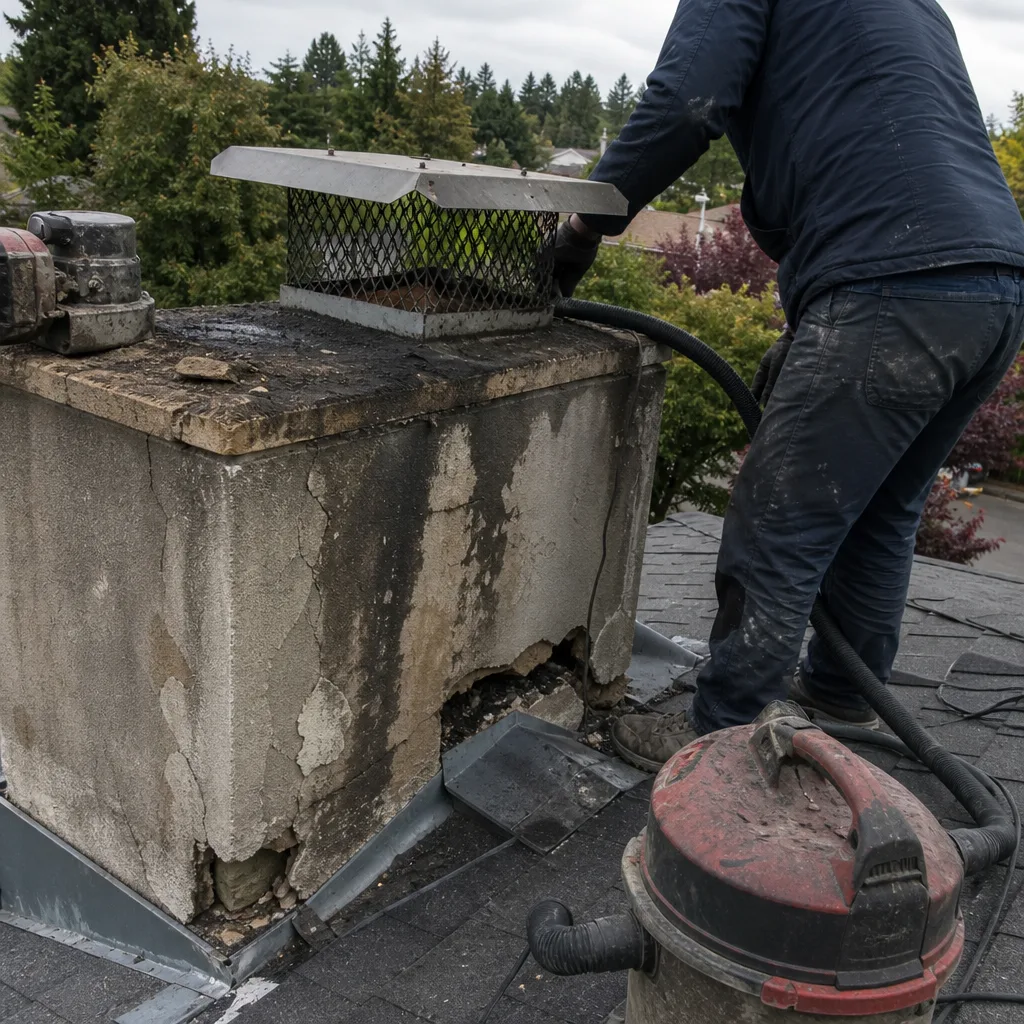
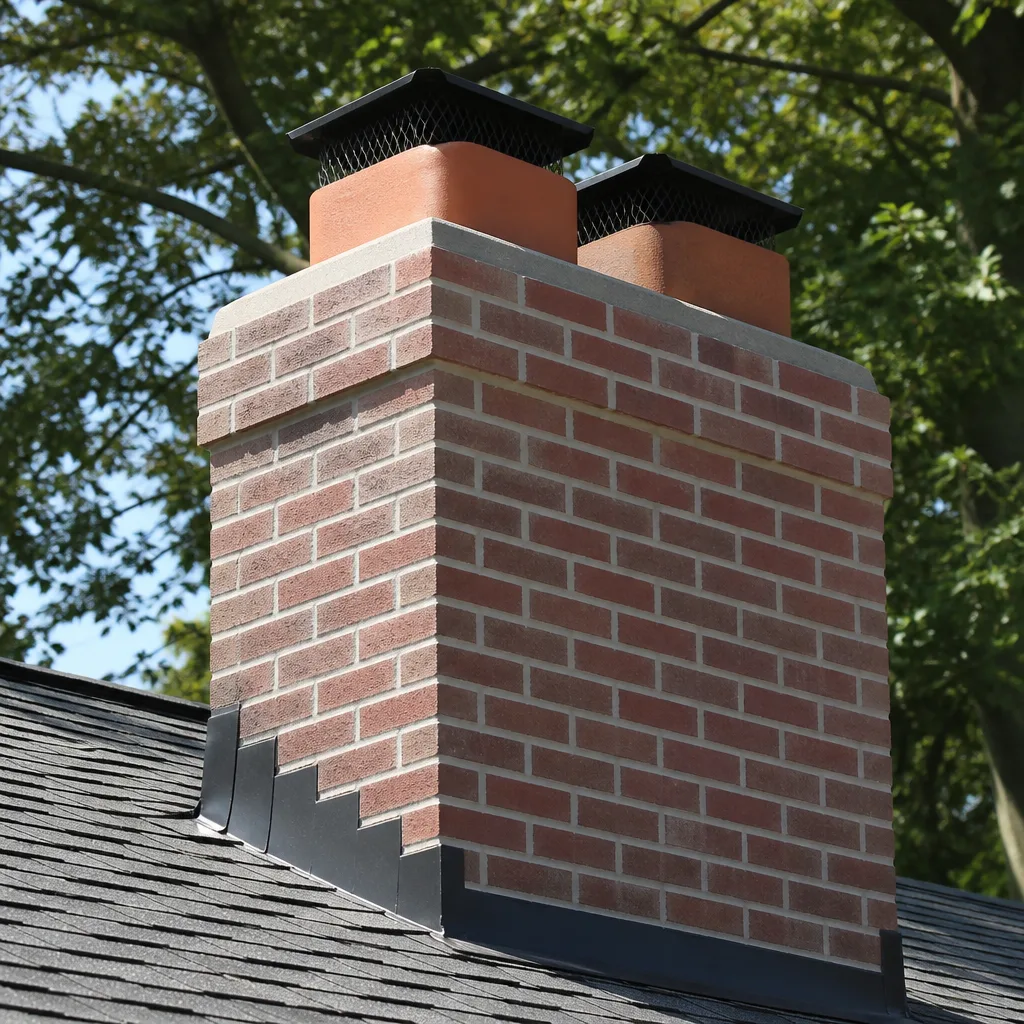 Masonry repair
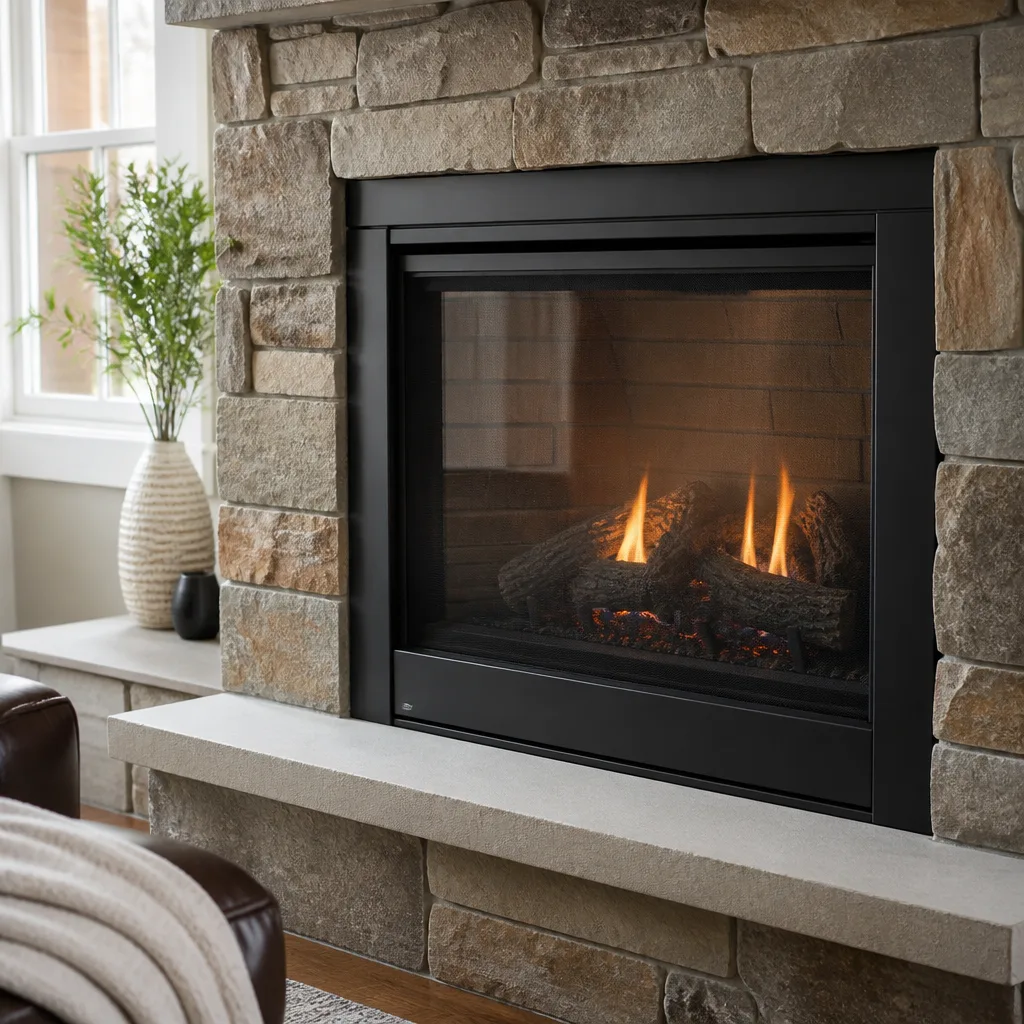 Gas fireplace service
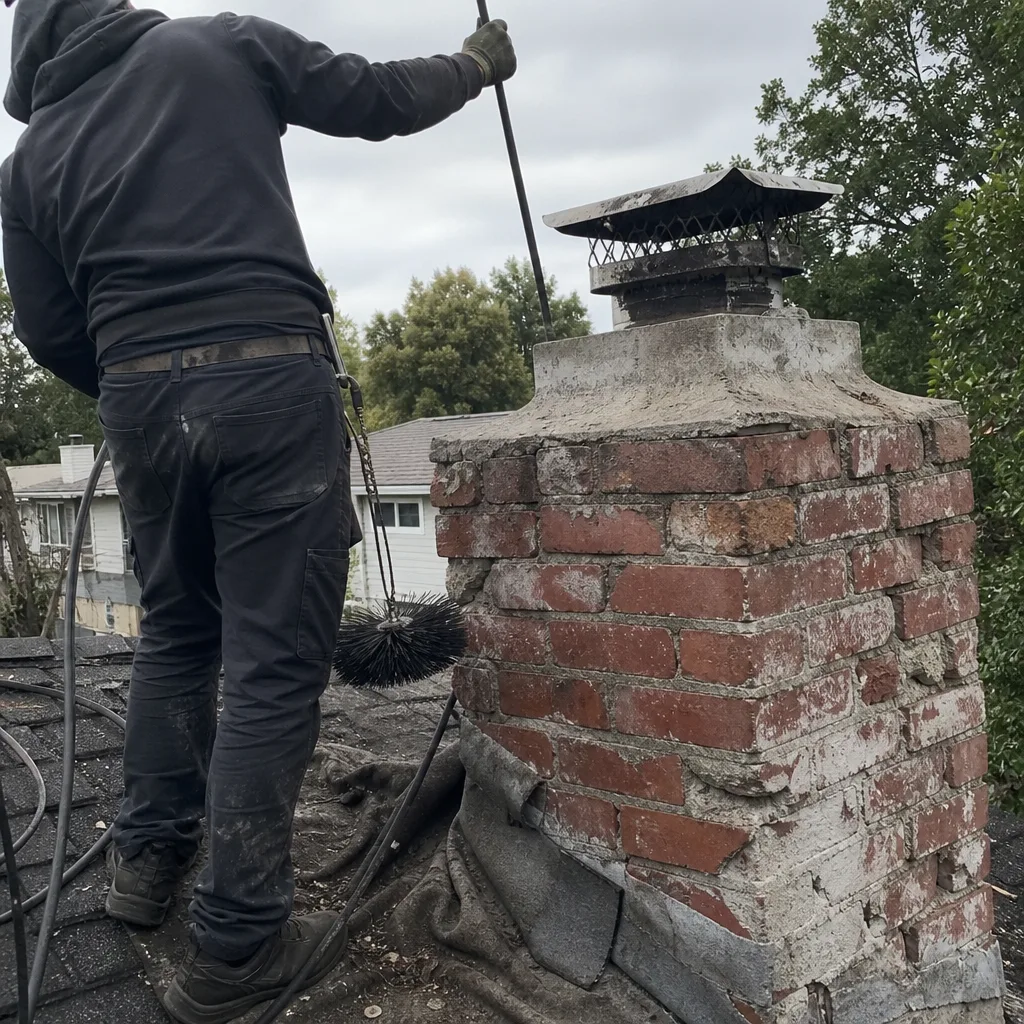
Level 1 sweep and inspection to the NFPA 211 annual standard - flue, crown, cap, and flashing checked and photographed
Chimney sweep logs do not sweep chimneys. They loosen some creosote - which then falls where a brush and vacuum still have to collect it.
Choosing the Right Chimney Cleaning Brand: A Buyer’s Guide for Palo Alto
Most Palo Alto homeowners can tell you the brand of their refrigerator, their water heater, even their garbage disposal. Ask them what brand of chimney liner runs through the masonry behind their living room wall, and you’ll usually get a blank stare. That’s a problem, because the liner is the single most important safety component between a live fire and the wooden framing of your house. And when it comes time to repair or replace it, the difference between a professional-grade system and a commodity substitute can mean twenty years of trouble-free service versus a repeat repair in five.
This guide explains what actually separates one chimney component brand from another, which materials hold up in Palo Alto’s specific conditions, and the questions you should ask any contractor before they order parts for your home. For more guides & resources, visit our blog.
Styles & brands we work with
- Sweep & inspection
- Caps & crowns
- Flue relining
- Masonry repair
- Gas fireplace service
Quick Answer
The right chimney cleaning and repair brand depends on what your system actually needs, as detailed in The Complete Chimney Sweep Guide for Palo Alto Homeowners. For liner replacement, DuraFlex flexible stainless systems are the industry standard for most Palo Alto homes with masonry chimneys. For resurfacing aging flues without full replacement, HeatShield’s Cerfractory material is the recognized solution. For caps, stainless steel from Gelco or Olympia Chimney outperforms galvanized steel in Bay Area coastal air. The brand matters because UL listing, warranty terms, and parts availability all hinge on what your contractor installs.
Table of Contents
- Why the Brand on Your Chimney Components Matters
- What UL Listing Means for Chimney Liners and Caps
- DuraFlex vs. Rigid Stainless Liners: When Each Makes Sense
- HeatShield Resurfacing: What It Repairs and What It Can’t
- Gelco and Olympia Caps vs. Standard Galvanized
- Five Questions to Ask Before Your Contractor Orders Materials
- How Palo Alto’s Climate Affects Chimney Material Choices
- Common Mistakes to Avoid
- When to Call a Professional
- Frequently Asked Questions
- The Bottom Line
Why the Brand on Your Chimney Components Matters
Chimney parts are not interchangeable commodities. A liner, a cap, and a resurfacing compound each perform a specific safety function under conditions that punish cheap materials: continuous heat cycling, acidic condensation, rain exposure, and in Palo Alto’s case, salt-tinged air blowing in from the bay. When a contractor reaches for a no-name galvanized cap from a hardware store shelf, you get a component that may last three or four years before the mesh rusts through. When they install a stainless Gelco or Olympia cap sized to the flue, you get something that outlasts the roof it sits on.
We’ve seen the difference up close. Palo Alto homes built in the 1950s and 1960s, especially in neighborhoods like Midtown and College Terrace, often still have original clay tile liners. Those liners crack. The joints between tile sections fail. When that happens, the brand of replacement liner determines whether the repair carries a UL listing, a manufacturer warranty, and a documented parts trail for future service. It also determines whether your insurance company will accept the repair as compliant work.
Key Takeaways:
- Professional-grade components carry UL listings and manufacturer warranties; commodity parts often don’t.
- The brand installed today determines whether parts are available for service in ten or fifteen years.
- Palo Alto’s climate and housing stock make liner and cap material choices more consequential than in drier inland cities.
What UL Listing Means for Chimney Liners and Caps
UL listing is not a marketing badge. It’s a certification from Underwriters Laboratories that a component has been tested to withstand specific temperatures, corrosion conditions, and structural stresses without failing. For chimney liners, the relevant standard is UL 1777. A liner that carries this listing has been tested for the exact application it will serve in your chimney. A liner without it hasn’t.
This matters for two reasons in Palo Alto. First, fire safety. A UL-listed liner is documented to contain flue gases and withstand the temperatures produced by a wood fire or gas appliance. An unlisted liner is an unknown quantity. Second, insurance. If a chimney fire damages your home, your insurer will ask whether the liner was listed and properly installed. If the answer is no, the claim gets complicated. We’ve walked Palo Alto homeowners through this process. The contractors who install unlisted components are never the ones answering the insurance adjuster’s questions later.
When you hire a company for Chimney Sweep in Palo Alto, ask whether the components they recommend carry current UL listings. A professional outfit will tell you the listing number without hesitation. A company that hedges on this question is telling you something important.
DuraFlex vs. Rigid Stainless Liners: When Each Makes Sense
When a chimney liner fails, the replacement decision usually comes down to two options: a flexible stainless system like DuraFlex, or a rigid stainless system. Both are legitimate. They serve different conditions.
DuraFlex flexible liners are the standard choice for most Palo Alto retrofit applications. They’re made from a continuous coil of stainless steel that can be pulled through an existing chimney, navigating the offsets and turns common in older masonry construction. This matters because most Palo Alto chimneys were built before modern liner standards existed. They have irregular flue dimensions and unexpected angles. A flexible system adapts to those conditions without requiring demolition of the chimney structure.
The tradeoff is throat smoothness. Flexible liners have corrugated walls, which create slightly more turbulence than a smooth rigid liner. For most residential applications, an open fireplace or a standard gas insert, that difference is negligible. For high-efficiency gas appliances that produce cool, acidic exhaust, proper sizing matters more than wall smoothness.
Rigid stainless liners are best for straight chimneys with minimal offset. They offer the smoothest possible interior wall, which means less creosote accumulation and slightly better draft. But they require either a perfectly straight flue or significant masonry work to install. In a Palo Alto bungalow with a two-story chimney and three offsets, rigid liner installation becomes a construction project. In a straight single-story flue, it’s straightforward.
Here’s the decision framework we use when advising Palo Alto homeowners:
- Assess the existing flue dimensions and condition with a camera inspection.
- Determine whether the chimney has offsets that would complicate rigid installation.
- Identify the appliance or fireplace type that will vent through the liner.
- Select a system that carries a UL 1777 listing and a manufacturer warranty.
- Size the liner correctly for the appliance, not for the old tile dimensions.
DuraFlex systems are available through professional supply lines, and they’re what we install most often for Chimney Repair in Palo Alto. The key is that the liner is sized and terminated correctly for the appliance, not that it’s the most expensive option on the truck.
HeatShield Resurfacing: What It Repairs and What It Can’t
HeatShield is a Cerfractory-based resurfacing system designed to restore aging masonry flues without a full liner replacement. The material is applied to the interior walls of the flue, filling gaps, sealing hairline cracks, and creating a smooth, insulated surface. It’s particularly effective for three specific applications: smoke chamber parging, repair of minor flue cracking, and sealing of deteriorated mortar joints between clay tile sections.
What HeatShield can’t do is restore structural integrity to a flue that has collapsed or shifted. If the masonry itself is failing, if tiles have fallen out of place, or if the chimney has structural movement, resurfacing is the wrong solution. Those conditions require liner replacement, often with a flexible system like DuraFlex. The distinction matters because some contractors sell resurfacing as a universal fix, and it isn’t.
For the right conditions, though, HeatShield is a better value than full replacement. A liner replacement in Palo Alto typically runs $3,500 to $7,000 depending on height, access, and appliance type. HeatShield resurfacing typically runs $2,000 to $4,000 for comparable conditions. The resurfaced flue carries a manufacturer warranty and restores the smooth interior surface that promotes proper draft and reduces creosote accumulation.
The Palo Alto angle: many of our older homes have chimneys that are structurally sound but lined with cracked clay tile. Those are ideal HeatShield candidates. We’ve applied the system in homes throughout Barron Park and Old Palo Alto where the homeowners wanted to avoid the disruption of a full liner pull.
Gelco and Olympia Caps vs. Standard Galvanized
The chimney cap is the most overlooked component in the entire system. It keeps rain out, prevents downdrafts, and stops embers from landing on the roof. It also rusts. Standard galvanized steel caps, the kind you find in hardware stores, typically last three to five years in Bay Area conditions. The combination of marine air, seasonal rain, and heat cycling breaks down the galvanized coating, and once the steel is exposed, the cap fails quickly.
Stainless steel caps from Gelco and Olympia Chimney are built differently. They use heavier gauge steel, stainless mesh for the spark arrestor, and are designed for the specific flue dimensions they serve. The mesh gauge matters. A loose mesh lets embers through. A too-fine mesh blocks draft. Professional caps are engineered for the balance point between those two failures.
Here’s a quick comparison of what separates professional caps from commodity hardware:
- Material: Stainless steel resists rust; galvanized coatings eventually fail.
- Mesh gauge: Professional caps use mesh sized to the flue and fire type; hardware store caps use one generic mesh.
- Fit: Gelco and Olympia caps are sized to the flue dimensions, not clamped on with universal brackets.
- Lid design: Professional caps are built to shed rain without blocking draft, a balance that generic caps often miss.
- Warranty: Stainless caps typically carry manufacturer warranties; galvanized caps don’t.
In Palo Alto, where winter rain and bay humidity are constants, a stainless cap is not an upgrade. It’s the baseline. The Chimney Cleaning Palo Alto home page covers our full service scope, but the material distinction applies regardless of who installs your cap.
Five Questions to Ask Before Your Contractor Orders Materials
You don’t need to become a chimney material expert to protect yourself. You need to ask five questions. A contractor who answers them directly and without defensiveness is using professional-grade materials. A contractor who hedges, deflects, or says “it doesn’t matter” is not.
- “What UL listing does this liner or cap carry?” The answer should be a specific standard number, like UL 1777 for liners. “It’s safe” is not a listing.
- “What warranty does the manufacturer provide, and do you honor it?” Professional components carry warranties of 10 years, 20 years, or lifetime coverage depending on the product. The contractor should know the terms without looking them up.
- “Will parts for this system be available in ten years if something needs adjusting?” Brands like DuraFlex, Gelco, and Olympia Chimney maintain parts inventories and supply lines. No-name components often have no replacement parts available at all.
- “What specific brand are you installing, and why that brand for my chimney?” The answer should reference your home’s specific conditions: flue dimensions, appliance type, construction era. “We use whatever’s on the truck” is the wrong answer.
- “Can you show me the camera inspection that justifies this repair?” No repair recommendation should come without visual evidence. If a contractor recommends liner work without showing you the cracked tiles or deteriorated joints on camera, walk away.
How Palo Alto’s Climate Affects Chimney Material Choices
Palo Alto sits in a specific microclimate that punishes wrong material choices. We’re close enough to the bay that marine air reaches most neighborhoods, but far enough inland that summer temperatures spike. That combination creates condensation cycles inside chimneys, especially during winter when warm flue gases meet cool masonry. Condensation is acidic. It eats at clay tile mortar joints, accelerates galvanized steel corrosion, and makes material quality matter more than it would in a drier inland city.
The housing stock adds another variable. Palo Alto homes built before 1970, which includes large portions of Midtown, Green Gables, and Crescent Park, typically have masonry chimneys with original clay tile liners. Those liners are now 50 to 70 years old. The mortar joints between tile sections degrade. Hairline cracks develop. The flue no longer creates a complete seal between the fire and the house.
For these older homes, the typical service path looks like this:
- Annual sweeping to keep creosote levels low and monitor liner condition.
- Camera inspection during each sweep to document progressive deterioration.
- HeatShield resurfacing when cracking is first detected and the structure is sound.
- DuraFlex liner installation when the clay tiles have failed or the appliance requires a specific liner size.
- Stainless cap replacement as part of any liner or resurfacing work.
This progression prevents the most expensive failure: a chimney fire that cracks the flue thoroughly enough that the entire masonry structure needs rebuilding. That’s a $15,000 problem that begins as a $300 annual maintenance line item.
Dryer vents deserve a mention here too, because they’re part of the same venting-system conversation. Lint accumulation is a leading cause of residential fires, and most chimney-only companies don’t address it at all. We offer Dryer Vent Cleaning in Palo Alto as a dedicated service because we’ve seen what happens when lint reaches ignition temperature in a vent that hasn’t been cleaned in years. It’s the same principle as chimney maintenance: materials and conditions matter, and the maintenance interval is cheaper than the repair.
Common Mistakes to Avoid
- Assuming all liners are the same. A liner is a safety component, not a commodity. Unlisted liners fail, and when they fail, the insurance conversation gets complicated. Insist on UL-listed components from brands with manufacturer warranties.
- Installing a galvanized cap and forgetting about it. In Palo Alto’s marine air, galvanized caps fail in a few years. Stainless steel costs more upfront and lasts decades. The math works out.
- Skipping the camera inspection. No contractor should recommend liner work based on a visual inspection from the top or bottom alone. Camera evidence is the standard. Demand it.
- Treating resurfacing as a universal fix. HeatShield is excellent for hairline cracks and deteriorated mortar joints. It cannot fix structural failure or a collapsed flue. Know the difference before you approve the work.
- Ignoring the dryer vent. It’s a separate system from your chimney, but it’s the same fire safety principle. Lint ignites faster than creosote. Clean it annually.
- Going with the cheapest bid without asking what parts are included. The bid that’s $800 lower because it uses a no-name liner and a hardware store cap is not cheaper. It’s deferred spending.
- Assuming your chimney is fine because you never use it. Unused chimneys still deteriorate. Rain entry through a failed cap damages the flue from the inside, and animals build nests in uncapped flues. Maintenance applies even to dormant fireplaces.
When to Call a Professional
Some situations require expertise, not a YouTube tutorial. If you see crumbling mortar in the firebox, hear debris falling inside the chimney, smell musty odors from the fireplace, or notice water staining on the wall around the chimney, those are signs of a deteriorating system. If your carbon monoxide detector has activated and you can’t identify the source, have the chimney inspected. If you’ve never had a camera inspection and your home was built before 1980, schedule one.
Chimney Cleaning Palo Alto offers free estimates in Palo Alto, and everyone on the phone can tell you exactly what to expect during an inspection. Call (833) 620-7463 to schedule.
Frequently Asked Questions
A chimney sweep in Palo Alto typically costs $180 to $320, depending on the level of inspection requested and the condition of the flue, as covered in The Complete Chimney Sweep Guide for Palo Alto Homeowners. Camera inspections may add $100 to $150. Call (833) 620-7463 for an exact quote, which is free.
Resurfacing with HeatShield works when the masonry structure is sound and the damage is limited to hairline cracks and deteriorated mortar joints. Full liner replacement with a system like DuraFlex is required when tiles have fallen out, the flue has shifted, or the structure itself is failing. A camera inspection answers the question definitively.
The National Fire Protection Association recommends annual inspection, with sweeping scheduled when creosote accumulation reaches 1/8 inch. For most Palo Alto homes with regular fireplace use, that means a sweep every year. Homes with occasional use may stretch to two years, but inspection should remain annual.
Creosote accumulates inside the flue, and creosote ignites at around 451 degrees Fahrenheit. A hot fire can ignite it, producing a chimney fire that cracks the liner and potentially spreads to the house structure. The sweep is a few hundred dollars; the repair after a chimney fire starts at several thousand and increases from there. If you’ve skipped several years, call (833) 620-7463 to schedule an inspection before your next fire.
Yes. Lint accumulation in dryer vents is one of the leading causes of residential fires in the United States. The vent should be cleaned annually, or more often if you run the dryer frequently or have a long vent run. It’s a separate service from chimney sweeping, and we offer both.
Crown repair depends on the extent of the damage. Hairline cracking can often be sealed with professional crown repair materials. Widespread deterioration may require crown rebuilding. Either way, the cap above the crown should be stainless steel to prevent future water entry, and Palo Alto’s rain season makes this a repair worth scheduling before winter. Call (833) 620-7463 for a free estimate.
The Bottom Line
The brand on your chimney components is not about status or marketing. It’s about UL listing, warranty coverage, parts availability, and whether the repair you pay for today still functions in twenty years. DuraFlex liners, HeatShield resurfacing, and stainless caps from Gelco or Olympia are the professional-grade systems that handle Palo Alto’s specific climate and housing conditions. Ask your contractor the five questions above. Demand camera evidence. And treat your dryer vent with the same seriousness as your chimney. The maintenance is inexpensive; the failure is not.
Written by the team at Chimney Cleaning Palo Alto, serving Palo Alto since 2018.
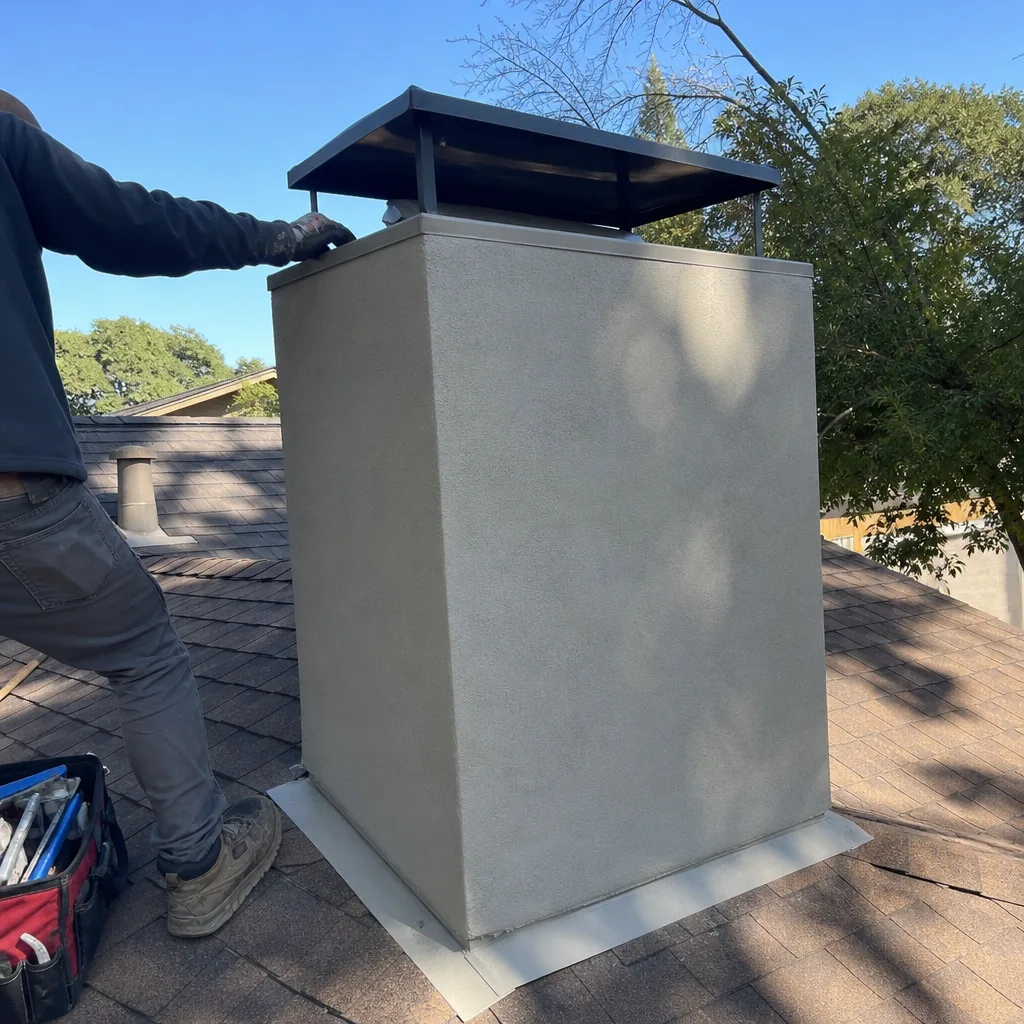
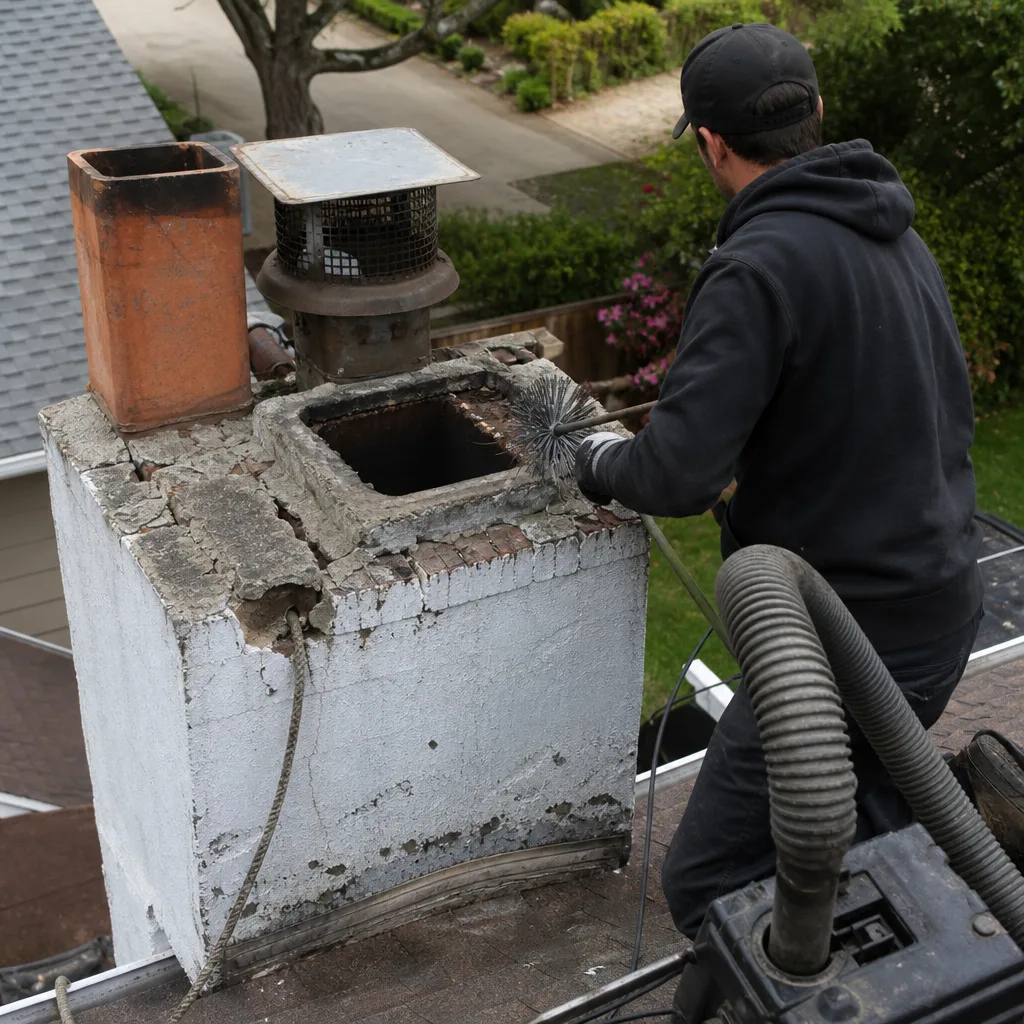
See the difference
 Before
 After
 Before
 After
 Before
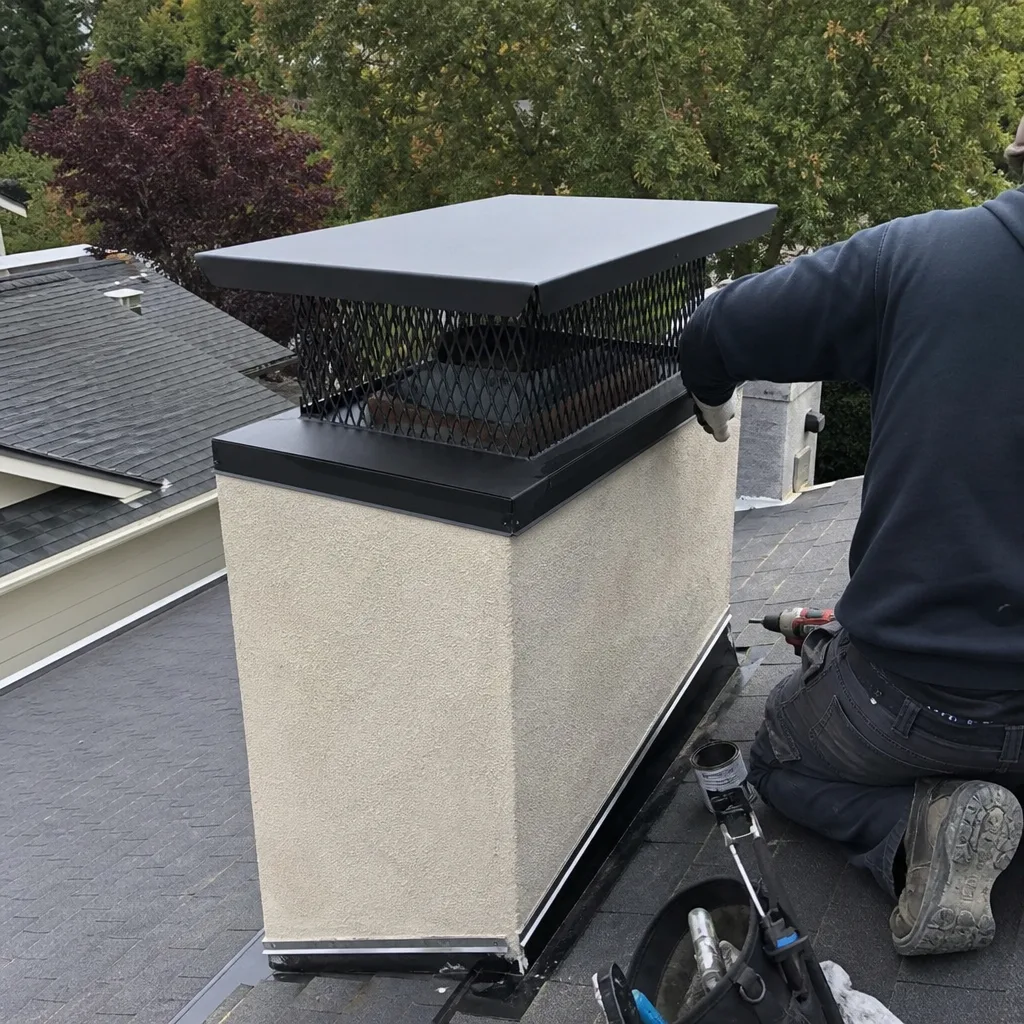 After