
Last updated November 2, 2026
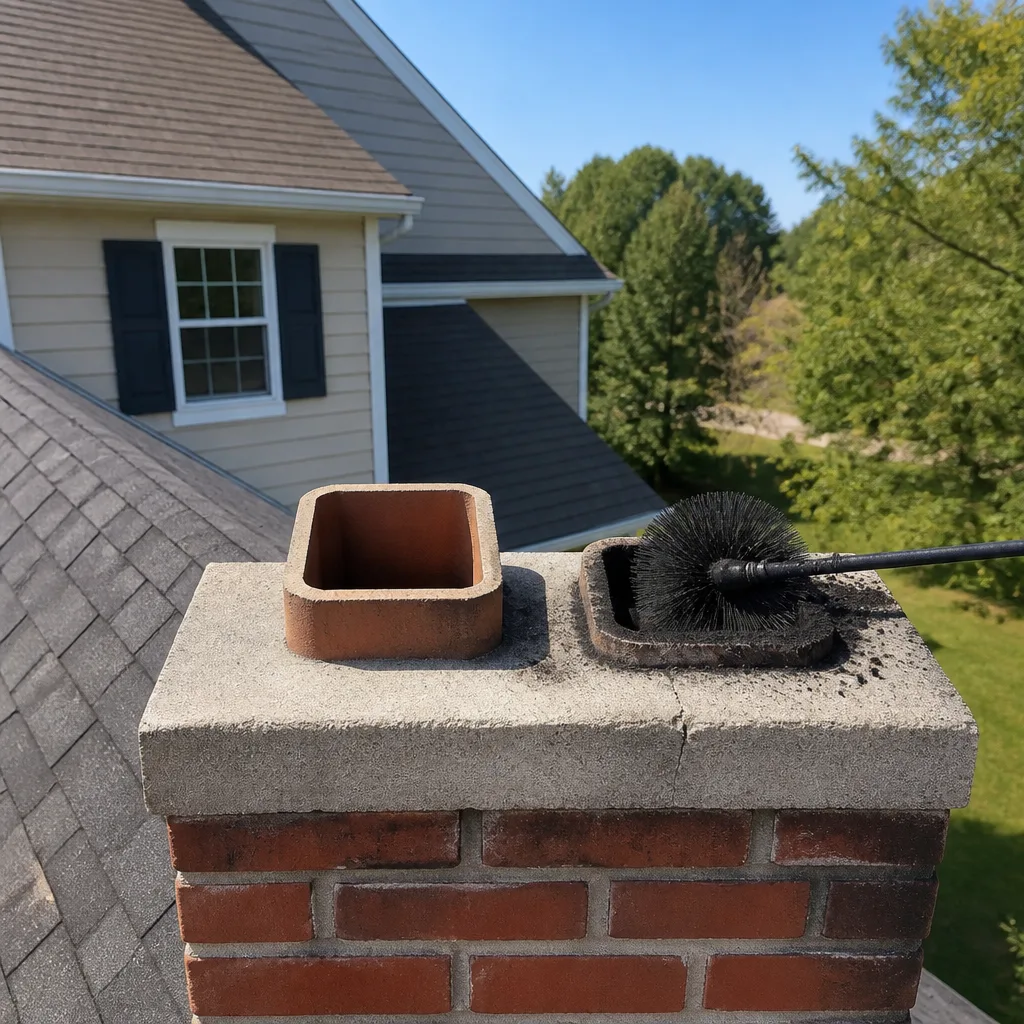 Sweep & inspection
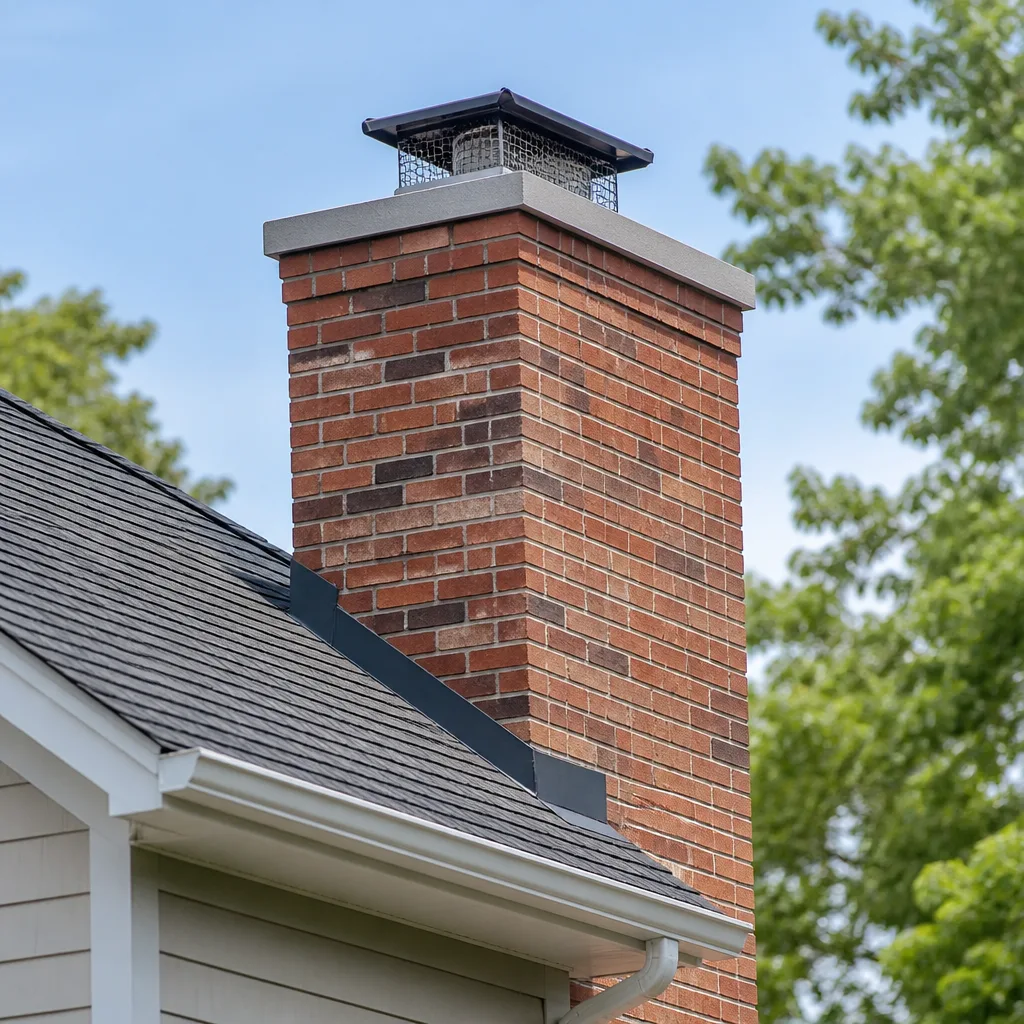 Caps & crowns
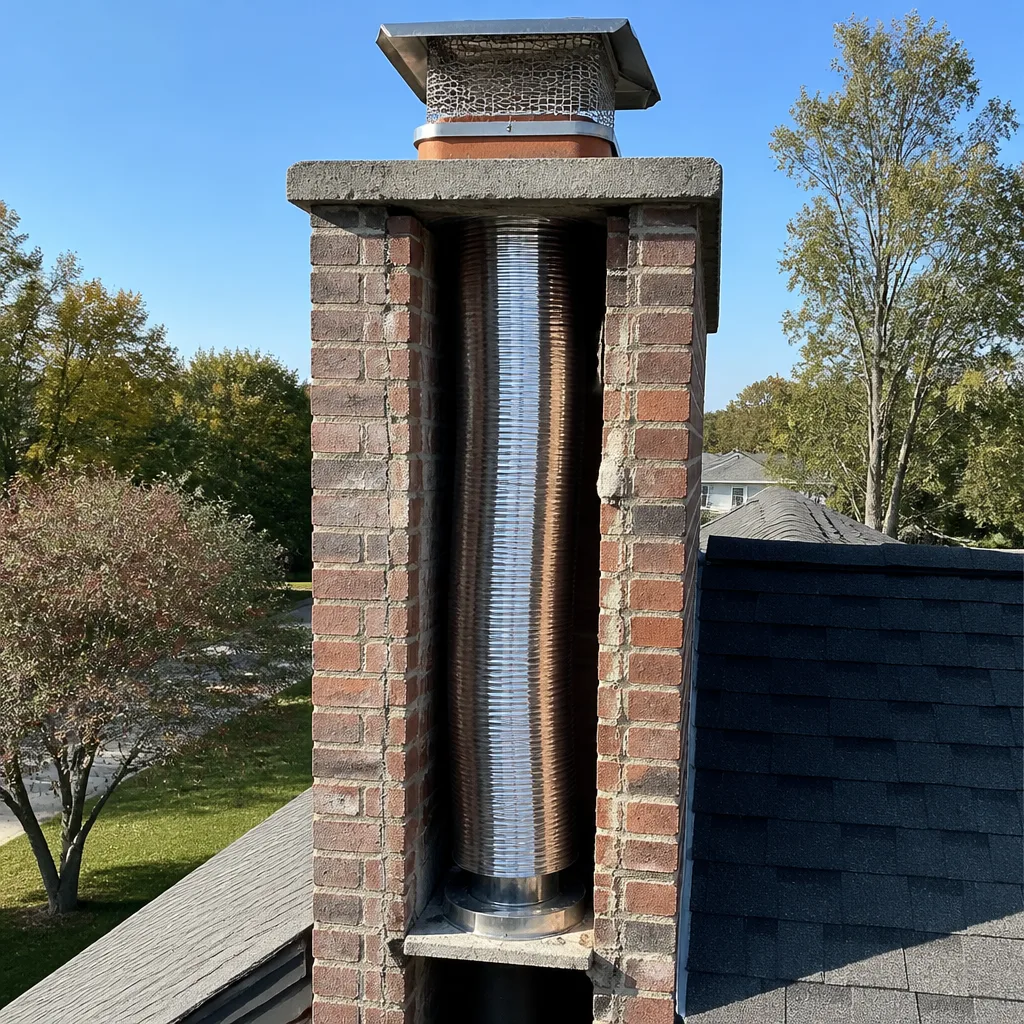 Flue relining
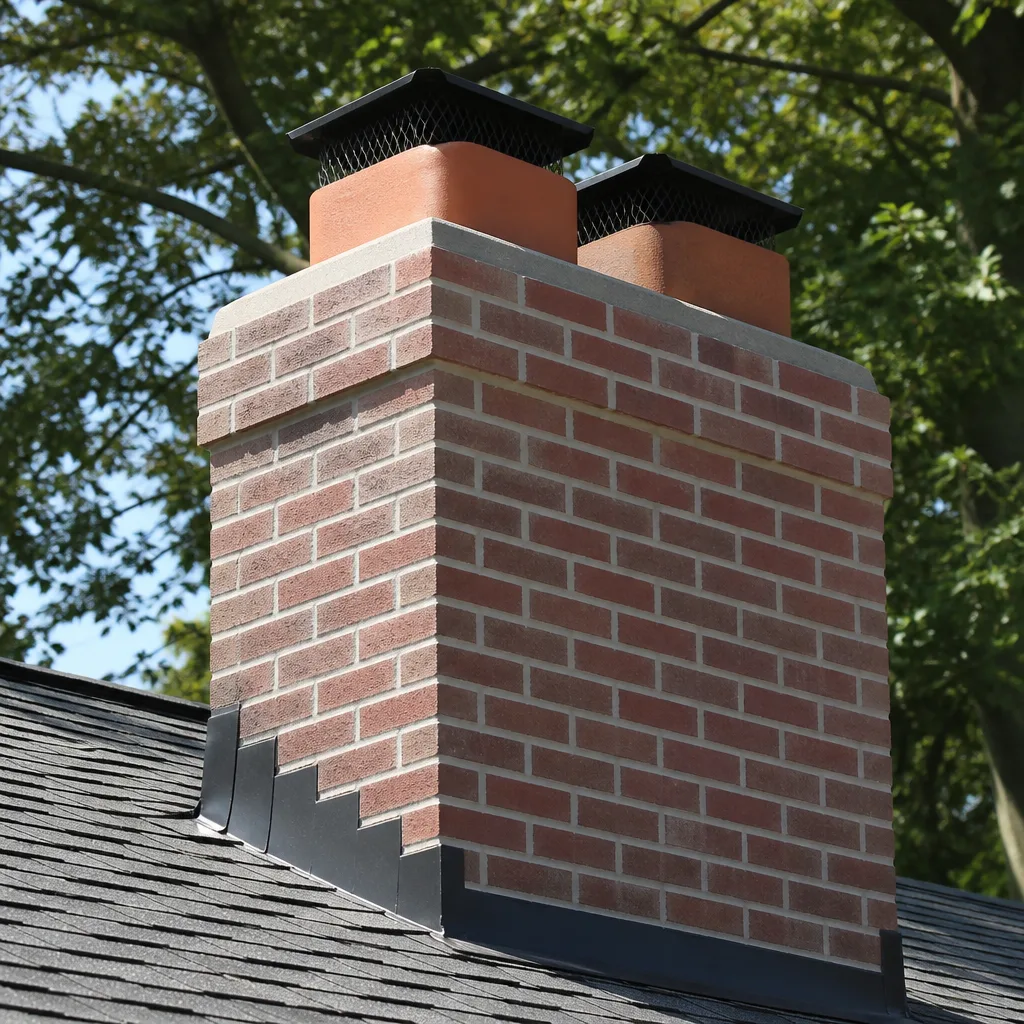 Masonry repair
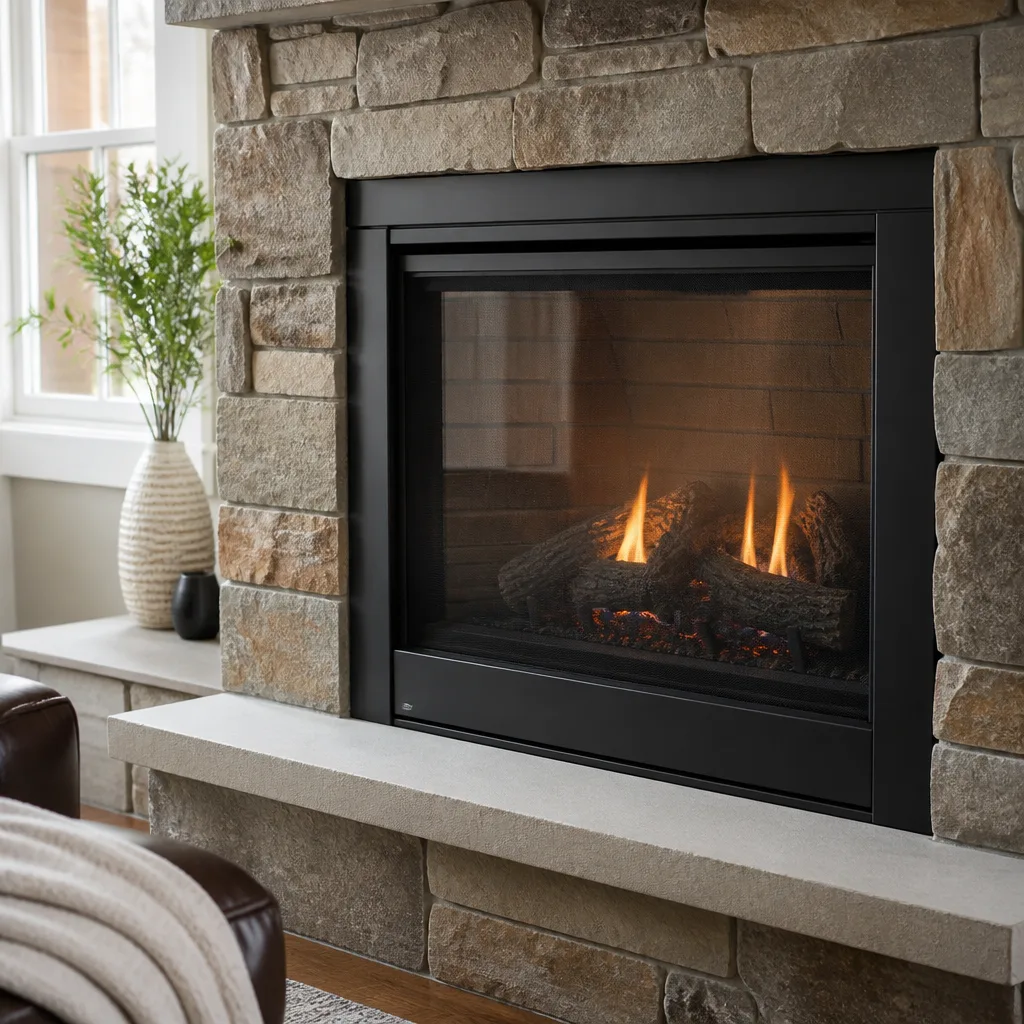 Gas fireplace service
Level 1 sweep and inspection to the NFPA 211 annual standard - flue, crown, cap, and flashing checked and photographed
Chimney sweep logs do not sweep chimneys. They loosen some creosote - which then falls where a brush and vacuum still have to collect it.
Seasonal Chimney Cleaning Care for Palo Alto: Year-Round Homeowner’s Guide
Most chimney maintenance advice you’ll find online was written for New England winters and Midwest snow belts. Palo Alto doesn’t work that way. Our burning season is short and irregular, our wet season arrives when everyone else is shoveling snow, and our fire risk calendar runs on a completely different clock. If you’ve been following generic four-season chimney advice, you’ve been scheduling things at the wrong time and missing problems that develop during months when nobody thinks about fireplaces. This guide rebuilds the maintenance calendar around how Palo Alto actually behaves, month by month, so you know exactly what needs attention and when. For more guides & resources tailored to Bay Area homeowners, see our blog.
Styles & brands we work with
- Sweep & inspection
- Caps & crowns
- Flue relining
- Masonry repair
- Gas fireplace service
Quick Answer
The best time to schedule a chimney sweep in Palo Alto is August, not October. Late summer gives you time to address moisture damage from spring rains, remove nesting debris from summer birds, and complete any repairs before the short burning season begins. A year-round maintenance calendar for Palo Alto homeowners means: spring for moisture assessment, August for inspection and sweeping, fall for pre-burn verification, and winter for usage monitoring.
Table of Contents
- Why October Is the Wrong Time to Schedule in Palo Alto
- The Palo Alto Chimney Care Calendar: Month by Month
- Spring Rain and What It Does to Your Flue
- Fire Season and Spark Arrestors: What Palo Alto Homeowners Need to Know
- Summer Tasks Nobody Mentions: Nesting, Flashing, and Roof Work
- How Your Liner Type Changes Your Maintenance Schedule
- Gas Inserts vs. Wood-Burning: Different Schedules for Different Fuels
- Common Mistakes to Avoid
- When to Call a Professional
- Frequently Asked Questions
- The Bottom Line
Why October Is the Wrong Time to Schedule in Palo Alto
The worst time to schedule a chimney inspection in Palo Alto is October, right before you want to use the fireplace. By then, summer moisture damage and nesting debris have already been sitting for months, and your appointment window is the industry’s most backlogged. Every chimney service in the Bay Area gets slammed with calls the first week temperatures drop below 60 degrees, which means you’re competing with thousands of other homeowners for the same two-week window. If the sweep finds a cracked flue tile or a deteriorating crown, you may not get the repair done before Thanksgiving.
We see this pattern every year. Homeowners call in late October, get a sweep scheduled for mid-November, and then learn they need a HeatShield application or a liner repair that pushes their first fire into January. Meanwhile, clients who called in August had their inspection done, repairs completed, and fireplace ready before the first cold evening. Scheduling your inspection in late summer costs the same amount and eliminates the stress of the fall rush.
Palo Alto’s burning season typically runs from late November through February, give or take a few weeks depending on the year. That’s a short window. If you want to actually use your fireplace during that window, the prep work needs to happen months earlier.
The Palo Alto Chimney Care Calendar: Month by Month
Here’s the maintenance schedule we recommend for Palo Alto homeowners, based on the actual climate patterns we deal with, not a generic national template.
January to February: Active Burning Season
- Burn only seasoned hardwood with moisture content below 20%. Wet or green wood creates more creosote and produces less heat.
- Watch for signs of drafting problems: smoke entering the room, a persistent campfire smell, or black soot accumulating on the glass doors faster than normal.
- If you notice any of these, stop using the fireplace and schedule an inspection. A drafting problem in winter often means a blockage or a liner issue, and both get worse with continued use.
- Check the exterior chimney cap after heavy storms. Wind-driven debris can partially block the cap and restrict airflow.
March to April: Rain Season Assessment
This is the time to look for water damage. Palo Alto receives most of its annual rainfall between November and April, which means March and April are when accumulated moisture damage becomes visible. Walk around your chimney and look for:
- White staining (efflorescence) on the brick exterior, which indicates water is moving through the masonry.
- Spalling, where the brick face flakes off and leaves pitted, crumbling surfaces.
- Rust staining around the damper or firebox, which signals water entry through the flue.
- Musty odors in the firebox, which often mean water has pooled somewhere in the system.
If you spot any of these, schedule an inspection before the dry season locks the damage in. Water problems never self-correct. They compound.
May to July: Drying and Nesting Season
Birds and small animals are most active in Palo Alto from late spring through early summer. Chimneys without a properly fitted cap become nesting sites. Swifts, starlings, and squirrels will build nests in flues, and those nests are both a fire hazard and a carbon monoxide risk if they block the exhaust path.
- May: Check that your chimney cap is securely attached and undamaged. If it’s missing, replace it before nesting season peaks.
- June: Listen for unusual sounds from the fireplace: scratching, chirping, or fluttering. These usually indicate an animal has entered the system.
- July: If you had any roof work done during the dry season, have the flashing and crown inspected. Roofers often disturb chimney flashing without realizing it, and a small gap now becomes a leak channel during the next rain season.
August: The Ideal Inspection Window
This is the month we recommend for your annual inspection and sweep, and it’s not close. Here’s why August works better than any other month in Palo Alto:
- Nesting season is wrapping up, so blockages from birds and animals are detectable and removable before they become a fire hazard.
- Five months of dry weather have exposed any moisture damage that spring rain caused. The chimney is dry, masonry cracks are visible, and repairs can be completed before the next rain cycle.
- Service availability is at its best. You can schedule on your timeline, not the service provider’s.
- Any repairs, whether a crown rebuild, a chimney repair in Palo Alto, or a liner treatment, can be completed before burning season starts.
- Waiting until October to schedule. The fall rush means longer waits, rushed inspections, and the possibility that repairs push your first fire into the new year. August scheduling costs the same and gives you months of buffer.
- Skipping the spring moisture check. Palo Alto’s rain season inflicts real damage on unlined and clay-tile chimneys. By the time you notice it in October, the repair has likely become more expensive than it would have been in April.
- Assuming a gas fireplace needs no maintenance. Gas inserts still need venting checks, liner verification, and periodic component replacement. The carbon monoxide risk from an improperly vented gas appliance is real and silent.
- Ignoring a missing or damaged chimney cap. The cap is your first line of defense against animals, water entry, and ember escape. A $300 cap replacement prevents thousands in animal removal and moisture repair.
- Treating a chimney sweep as optional maintenance. Creosote is a fuel source. If enough of it accumulates, a chimney fire becomes a matter of when, not if. Annual sweeping for wood burners is the same non-negotiable category as changing your furnace filter.
- Neglecting dryer vents. Most homeowners think about their chimney and never their dryer vent, but dryer vents cause more residential fires than chimneys do. Annual cleaning is cheap insurance.
- Accepting a sweep-only inspection when repair capability exists. If your sweep finds a cracked flue tile and can’t fix it, you’re now managing two contractors and two schedules. Chimney Cleaning Palo Alto home based services that include repair capability mean the fix happens during the same visit, with materials from recognized brands like DuraFlex and HeatShield.
September to October: Pre-Burn Verification
If you had your inspection in August, September is a light-touch month. Burn a small test fire on a cool evening and confirm the draft is pulling properly. Check the damper opens and closes fully. If you skipped August, October is your last reasonable call window before the backlog hits, and you’ll be paying the same price for a more stressful experience.
November to December: First Burns and Monitoring
Start the season with one or two small fires rather than a full evening burn. This lets the system warm gradually and gives you a chance to verify everything is working correctly. Use these first burns to confirm: no smoke entering the room, no unusual odors, no visible embers escaping the cap.
Spring Rain and What It Does to Your Flue
Palo Alto’s rain season runs roughly from November through April, with the heaviest rainfall typically arriving between January and March. During this period, unlined chimneys and clay-tile flues absorb significant moisture, and that moisture becomes the root cause of most structural chimney damage we see across the Bay Area.
Here’s the mechanism. Water penetrates the brick and mortar through a process called capillary action. Once inside, it sits in the masonry. When temperatures fluctuate, even the mild fluctuation cycles Palo Alto experiences, that water expands and contracts. Over repeated cycles, it forces the mortar joints apart and cracks the clay flue tiles. By spring, a chimney that looked fine in October often shows visible spalling, flaking brick faces, and crumbling mortar joints.
This is why we recommend a late-spring visual assessment, even if you’re not burning. And this is where liner type matters significantly. A chimney with a professionally installed stainless steel liner, like a DuraFlex system, sheds water completely. The flue isn’t masonry at all, it’s a continuous metal tube that channels exhaust gases while keeping the masonry shell structurally isolated from the moisture cycle. That changes the failure mode: instead of water working into the flue tiles, it stays in the masonry shell where your crown and cap are the primary defense.
For clay-tile chimneys without a liner, the spring assessment becomes more urgent. We inspect for cracked tiles, gaps between tile sections, and deteriorated mortar that allows water and flue gases to escape into the surrounding masonry. In our experience, the most expensive chimney repairs in Palo Alto almost always trace back to water entry that went unaddressed during the spring window – something we break down in our Chimney Cleaning Cost Breakdown: The Palo Alto Homeowner’s Reference for 2026.
Moisture also finds its way through the top of the chimney. A cracked crown, a missing cap, or flashing that pulled away from a roof edge all become active leak channels during the rain season. These are all visible from the ground after the rain stops, which makes the April assessment something any homeowner can do before calling in a professional.
Fire Season and Spark Arrestors: What Palo Alto Homeowners Need to Know
Palo Alto sits directly against the wildland-urban interface, with open space preserves and foothill terrain immediately to the west and southwest. This isn’t a distant concern; it’s the geographic reality that shapes local fire codes and smart chimney maintenance. The city enforces regulations about spark arrestors and chimney caps that go beyond what inland communities require, and for good reason: an ember that escapes your chimney can travel and ignite dry vegetation.
Chimney Cleaning Permits, Codes & Inspections in CA: What You Need to Know covers this in detail, but the key point is that California building code and Palo Alto municipal code both require chimneys serving solid-fuel appliances to be equipped with an approved spark arrestor. The screen mesh must have openings no larger than 1/2 inch to prevent embers from passing through while still allowing adequate draft. Homes in the wildland-urban interface zone, which includes significant portions of Palo Alto’s western foothills, may be subject to additional requirements around non-combustible roofing and defensible space that affect how chimney systems are inspected.
We recommend checking your current cap against these requirements annually, even if your home has never had a fire-safety citation. Caps installed 20 years ago may not meet current mesh standards. Caps that have rusted through, bent out of shape, or lost mounting hardware will fail an inspection and, more importantly, won’t do the job if a fire condition develops.
Beyond code compliance, a properly fitted spark arrestor cap performs double duty in Palo Alto. During fire season, it keeps embers in. During the rest of the year, it keeps birds, squirrels, leaves, and roof debris out. That’s not a minor benefit. In our experience, the single most common cause of chimney blockage we find during inspections is a missing or damaged cap that allowed nesting material to enter the flue.
If you’re unsure whether your current cap meets Palo Alto’s requirements, an inspection includes a cap assessment along with the flue and firebox evaluation. Replacement caps from brands like Olympia Chimney and Gelco are sized to the flue and installed with proper anchoring, not the universal-fit hardware-store versions that blow off in the first winter storm.
Summer Tasks Nobody Mentions: Nesting, Flashing, and Roof Work
Most chimney care guides skip summer entirely. They assume if you’re not burning, there’s nothing to maintain. That assumption fails badly in Palo Alto, where summer is actually the most active season for chimney problems that go unnoticed until winter.
Here are the summer tasks that belong on every Palo Alto homeowner’s calendar:
Nesting and Blockage Checks
Chimney swifts and starlings are the two most common nesting birds we find in Palo Alto chimneys. Both species build nests that can block a flue completely within a few weeks. Squirrels are less common but more destructive; they’ll chew through damper components and shred wiring if given time.
The telltale signs of animal activity are audible rather than visual. Scratching sounds that move through the day, a sudden increase in insect activity around the fireplace opening, or a smell that’s slightly organic but not smoky all suggest something living in the flue. Check for these in June and July, when nesting is at its peak.
Prevention is straightforward: a properly fitted chimney cap with intact mesh keeps animals out while allowing the flue to breathe. If your cap has gaps, rust-through, or mesh openings larger than 1/2 inch, it’s not doing the job.
Flashing After Roof Work
Summer is roofing season in Palo Alto. Contractors replace shingles, repair valleys, and install solar panels during the dry months, and chimney flashing often gets disturbed in the process. Roofers are not chimney specialists; their focus is the roof plane, not the intersection where the chimney penetrates it.
If you had any roof work done between May and September, walk around the base of your chimney and look at the flashing. Signs of trouble include lifted edges, visible gaps between flashing and brick, missing counter-flashing, and sealant that’s cracked or pulling away. These are small problems when caught early and expensive leaks when discovered after the first winter rain.
Damper and Smoke Chamber Inspection
Summer’s low humidity makes it easier to see and assess these components. Open the damper fully and look up with a flashlight. The smoke chamber should be smooth and free of heavy creosote buildup. The damper should operate smoothly through its full range. If it sticks, grinds, or won’t seal fully, that’s a repair item that’s much easier to address in August than in December.
For homeowners with dryer vent cleaning in Palo Alto on their minds, summer is also the right time to schedule that service. Lint accumulates year-round regardless of chimney use, and a clean dryer vent means your dryer runs more efficiently during the fall laundry-heavy season.
How Your Liner Type Changes Your Maintenance Schedule
Not all chimneys need the same care. The liner material, and whether a chimney is lined at all, changes what you should look for during each season and how urgent any given issue becomes.
Unlined or Clay-Tile Flues
These are the original-construction chimneys found in most pre-1980s Palo Alto homes. Clay tiles are durable but brittle, and the mortar joints between tile sections deteriorate with age and moisture exposure. Once a gap opens between tiles, flue gases escape into the chimney cavity, creosote accumulates in the gap, and the risk of a chimney fire rises sharply.
Maintenance for clay-tile chimneys should be more aggressive. We recommend annual inspection without fail, regardless of how little you burn. The failure mode for clay tile is sudden and catastrophic; a tile that looks intact from the top can be cracked mid-flue where you can’t see it without a camera inspection. Spring moisture checks are also more critical, since water entry accelerates tile deterioration.
Stainless Steel Liners (DuraFlex)
A professionally installed stainless steel liner changes the maintenance equation. The liner is a continuous metal tube, which means no joints to fail and no mortar to erode. Creosote still builds up on the liner interior, and it still needs to be swept, but the catastrophic failure modes associated with clay tile are largely eliminated.
Where homeowners with stainless liners still need to pay attention: the crown and cap that protect the top of the liner, the flashing at the roofline, and the appliance connector at the base. These are the same components we check during every annual inspection, but the liner itself is less likely to be the source of a problem.
For Palo Alto homeowners considering a liner replacement, we install DuraFlex systems, which are the standard for relining chimneys with damaged or inadequate flues. A stainless liner also enables you to connect a wood stove or insert to an existing masonry chimney that wasn’t designed for it, which is a common scenario in older Palo Alto homes.
HeatShield (Resurfaced Flues)
HeatShield is a ceramic-based resurfacing system that restores deteriorating clay-tile flues without requiring full liner replacement. It’s applied to the existing flue interior, filling gaps, sealing cracks, and creating a smooth, insulated surface. The result is a flue with the structural integrity of the original masonry and the performance characteristics closer to a modern liner system.
HeatShield changes the maintenance schedule in a good way: the flue no longer requires the aggressive monitoring that damaged clay tile demands, and the application may extend the useful life of the chimney by decades. It’s not appropriate for every chimney, an evaluation determines whether it’s a fit, but for many older Palo Alto homes it’s a more cost-effective option than full liner replacement.
We’re one of the few companies in the Bay Area equipped to apply HeatShield, which means when we find flue damage during an inspection, we can often fix it during the same visit rather than referring you to another contractor and waiting for a repair window.
Gas Inserts vs. Wood-Burning: Different Schedules for Different Fuels
Palo Alto homes are split fairly evenly between wood-burning fireplaces, gas inserts, and homes with both or neither. The maintenance calendar shifts based on what you’re actually burning.
Wood-Burning Fireplaces
Full schedule as described above. Creosote is the primary concern, and it’s produced by every wood burn regardless of how clean the wood is. Annual sweeping is non-negotiable for regular wood burners. If you only burn a half-dozen times per season, you can stretch the sweeping interval slightly, but annual inspection should remain standard.
Gas Inserts and Gas Log Sets
Gas burning produces no creosote, which means the sweeping schedule is far less frequent. A gas fireplace may only need a sweep every 3 to 5 years, depending on usage. But gas appliances introduce different concerns: the venting path must remain clear, the gas line and connections need periodic leak checks, and the ceramic logs degrade over time and require replacement.
If you have a gas insert installed in a masonry chimney, the liner situation still matters. Many older gas conversions vent directly into the original clay-tile flue without a proper liner, which is a code violation in most cases. Venting a gas appliance through an unlined or improperly sized flue risks carbon monoxide entering the home. This is a check we make on every inspection, and it’s one of the most common issues we find in Palo Alto homes where a previous owner converted from wood to gas.
Dryer Vents
Your clothes dryer has a vent too, and it’s one of the leading causes of residential fires in the United States. Lint accumulation restricts airflow, which causes the dryer to overheat, which can ignite the accumulated lint in the vent line. The National Fire Protection Association reports that clothes dryers are involved in roughly 13,000 house fires annually, and the majority trace back to uncleaned vents.
We offer dryer vent cleaning in Palo Alto as a standalone service, which is unusual for a chimney company. Most chimney-only firms don’t touch dryer vents, and most dryer vent-only firms don’t understand fireplaces. For Palo Alto homeowners who want one provider for all their venting-system maintenance, that’s the gap we fill. Dryer vents should be cleaned annually for most households, or more often if you do a lot of laundry or have a long vent run.
Common Mistakes to Avoid
When to Call a Professional
Some chimney issues are visible and obvious: water staining on the ceiling around the chimney chase, smoke rolling into the room during use, or a persistent animal sound coming from the flue. Those are straightforward service calls. Others are less obvious but equally urgent: a smell that’s slightly acrid even when the fireplace hasn’t been used in months, efflorescence on exterior brick, or a damper that suddenly won’t close fully.
If you’ve owned your home for more than two years and haven’t had a chimney inspection, that’s also a reason to call. Homes change hands, previous owners defer maintenance, and problems accumulate quietly. An inspection either confirms everything is sound or identifies issues before they become expensive. Chimney Cleaning Palo Alto offers free estimates in Palo Alto, call (833) 620-7463 to schedule yours.
Frequently Asked Questions
A wood-burning chimney used regularly should be swept once per year, ideally in August before the burning season begins. Gas fireplaces may only need sweeping every 3 to 5 years, but annual inspection is still recommended. If you burn more than two cords of wood per season, a mid-season sweep in January or February may be warranted. Call (833) 620-7463 for a free estimate on your annual sweep.
A standard chimney sweep in Palo Alto typically ranges from $200 to $400, depending on the chimney’s condition, height, and accessibility. Additional services like camera inspection, crown repair, or cap replacement are priced separately. We provide flat-price quotes before any work begins, so you’ll know exactly what the sweep costs before we start.
August is the best inspection month because nesting season has ended, spring moisture damage is fully visible after months of dry weather, and service availability is high. You’ll get a thorough inspection without the fall rush, and any repairs can be completed before the burning season starts. In contrast, October appointments face the industry’s longest wait times.
Not every damaged flue requires full liner replacement. HeatShield resurfacing can restore many clay-tile flues by sealing cracks and filling gaps with a ceramic material, extending the life of the existing masonry without a full reline. The determining factor is the extent and location of the damage. We use HeatShield and DuraFlex systems based on what the camera inspection reveals, and we’ll never recommend a replacement when resurfacing will do the job. Call (833) 620-7463 for a camera inspection and honest assessment.
Yes. Palo Alto enforces the California building code requirement that solid-fuel chimneys be equipped with an approved spark arrestor with mesh openings no larger than 1/2 inch. Homes in the wildland-urban interface zone along the western foothills may face additional fire-safety requirements. If your current cap doesn’t meet the standard, we install Gelco and Olympia Chimney caps sized to your flue with proper anchoring.
Skipping an inspection means creosote accumulates unseen, water damage progresses unnoticed, and animal nests can block the flue without your knowledge. The first sign of trouble may be a chimney fire or carbon monoxide entering your home, both of which are preventable with an annual inspection. The cost of an inspection is a fraction of the cost of repairing fire damage or replacing a water-damaged flue system.
The Bottom Line
Palo Alto’s climate demands a chimney care schedule built around its actual weather patterns, not a generic national template. Late-summer inspection beats fall scheduling every time. Spring rain assessment catches moisture damage before it becomes structural. Fire season awareness means keeping your spark arrestor up to code and your cap in good shape. And the type of liner in your chimney determines how aggressively you need to monitor it. Wood burners need annual sweeps; gas appliance owners still need venting checks and liner verification. If you consolidate the sweeping, repairing, and dryer vent maintenance into one annual visit, you’ll spend less and catch problems earlier.
Written by the team at Chimney Cleaning Palo Alto, serving Palo Alto since 2018.
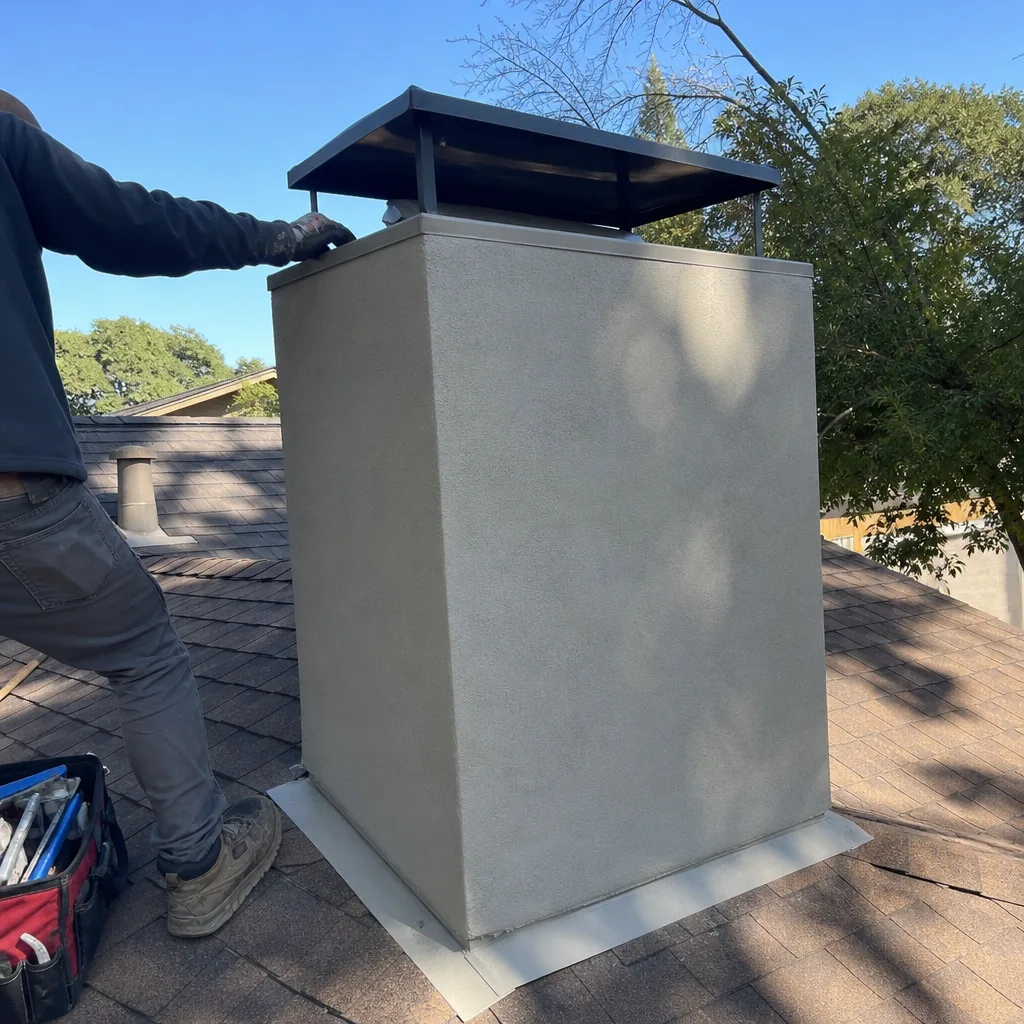
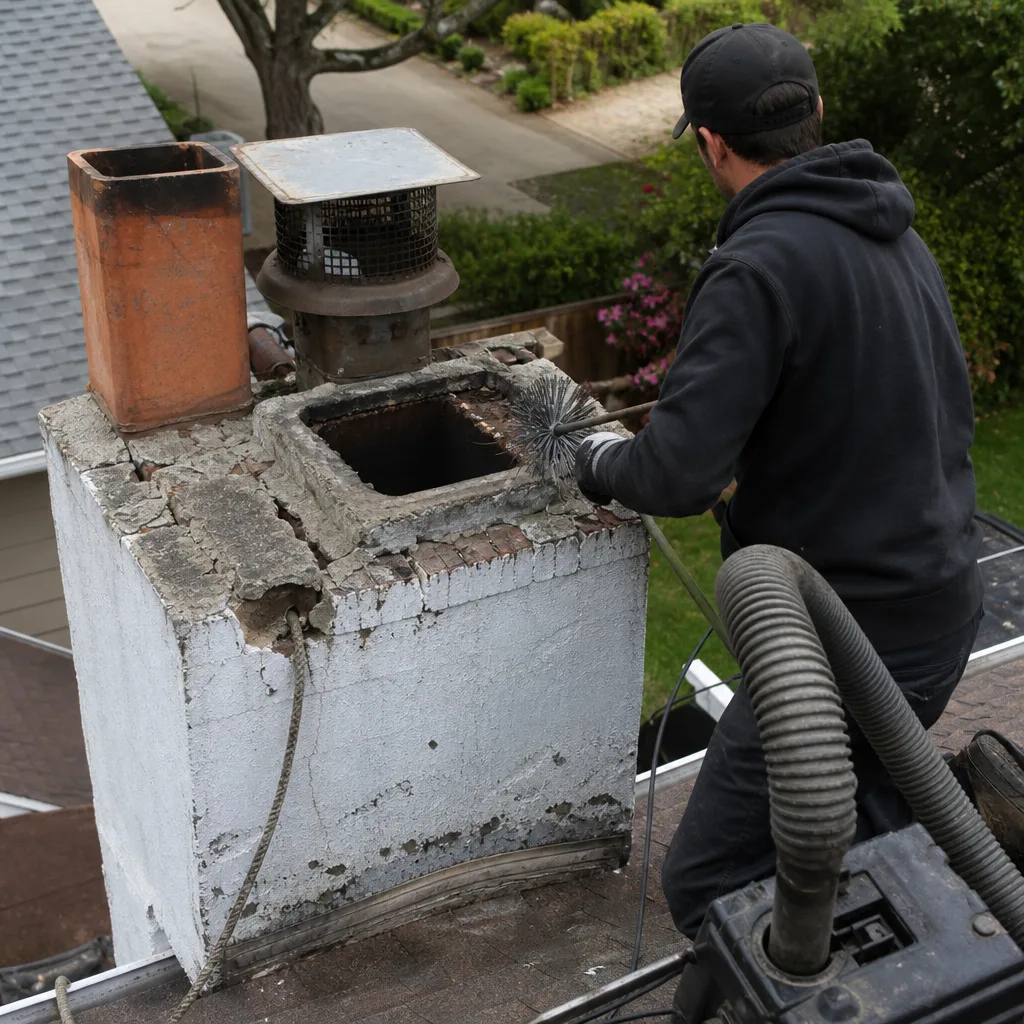
See the difference
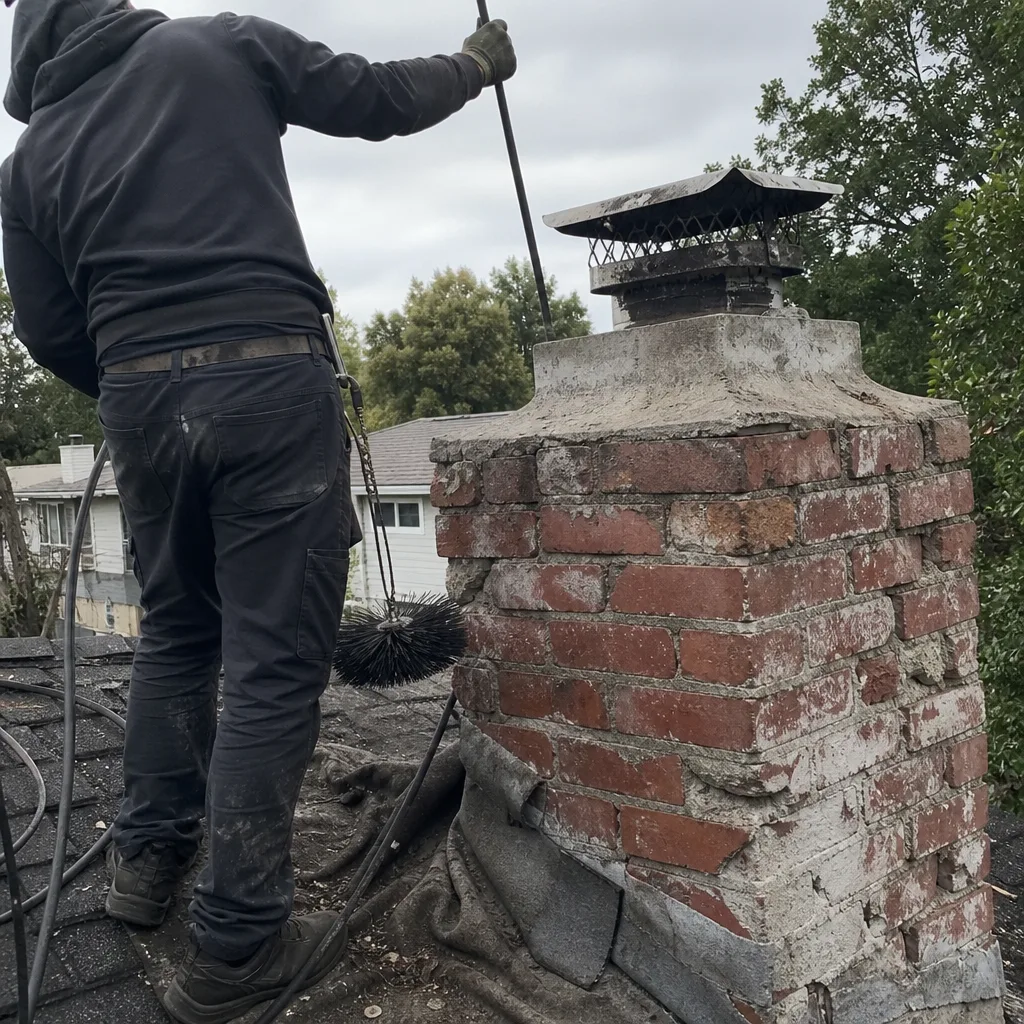 Before
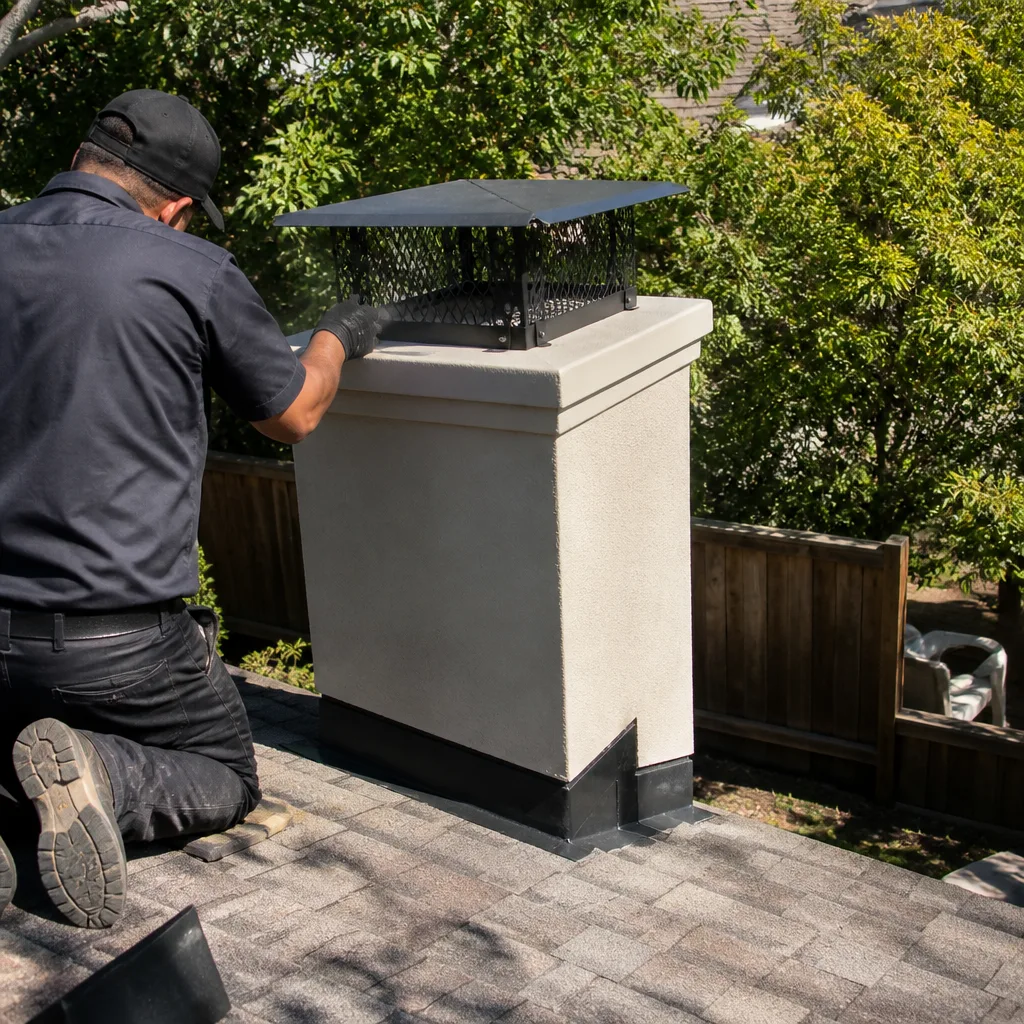 After
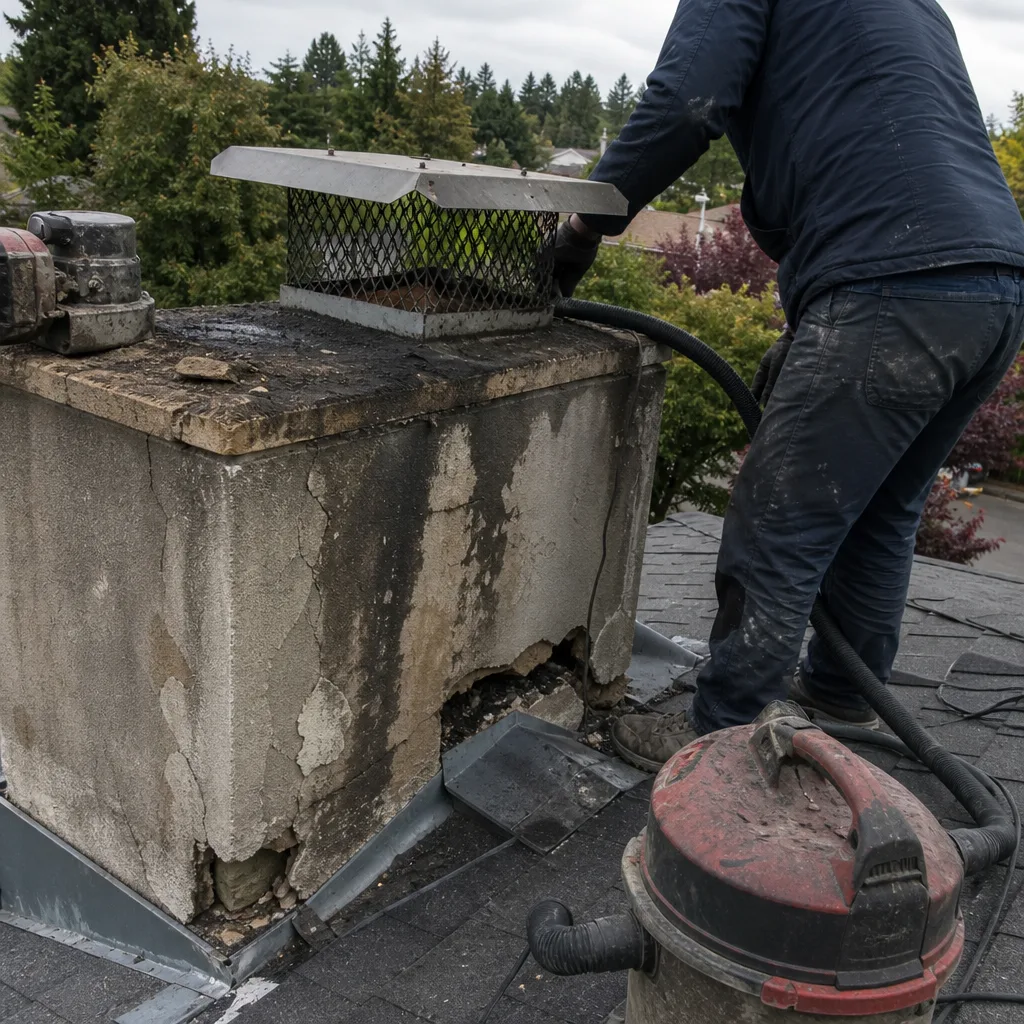 Before
 After
 Before
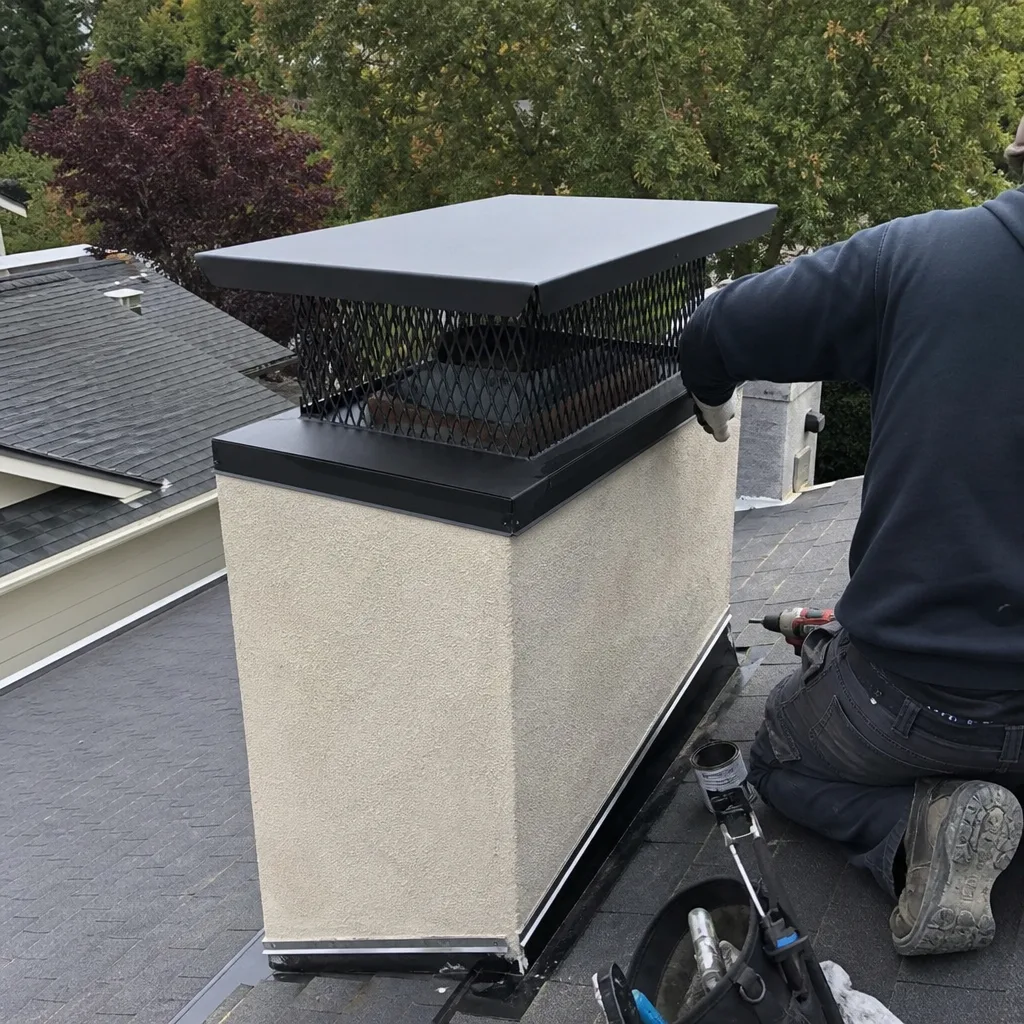 After