
Last updated November 2, 2026
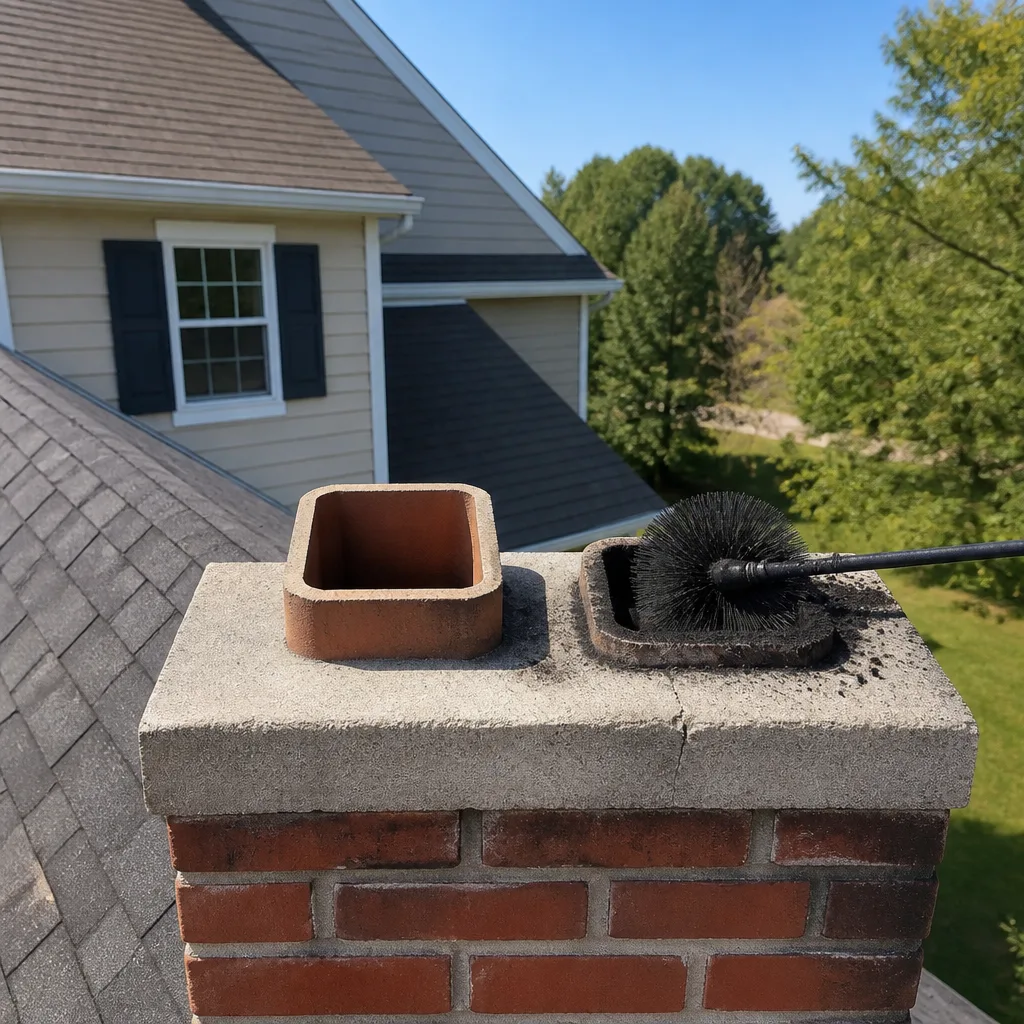 Sweep & inspection
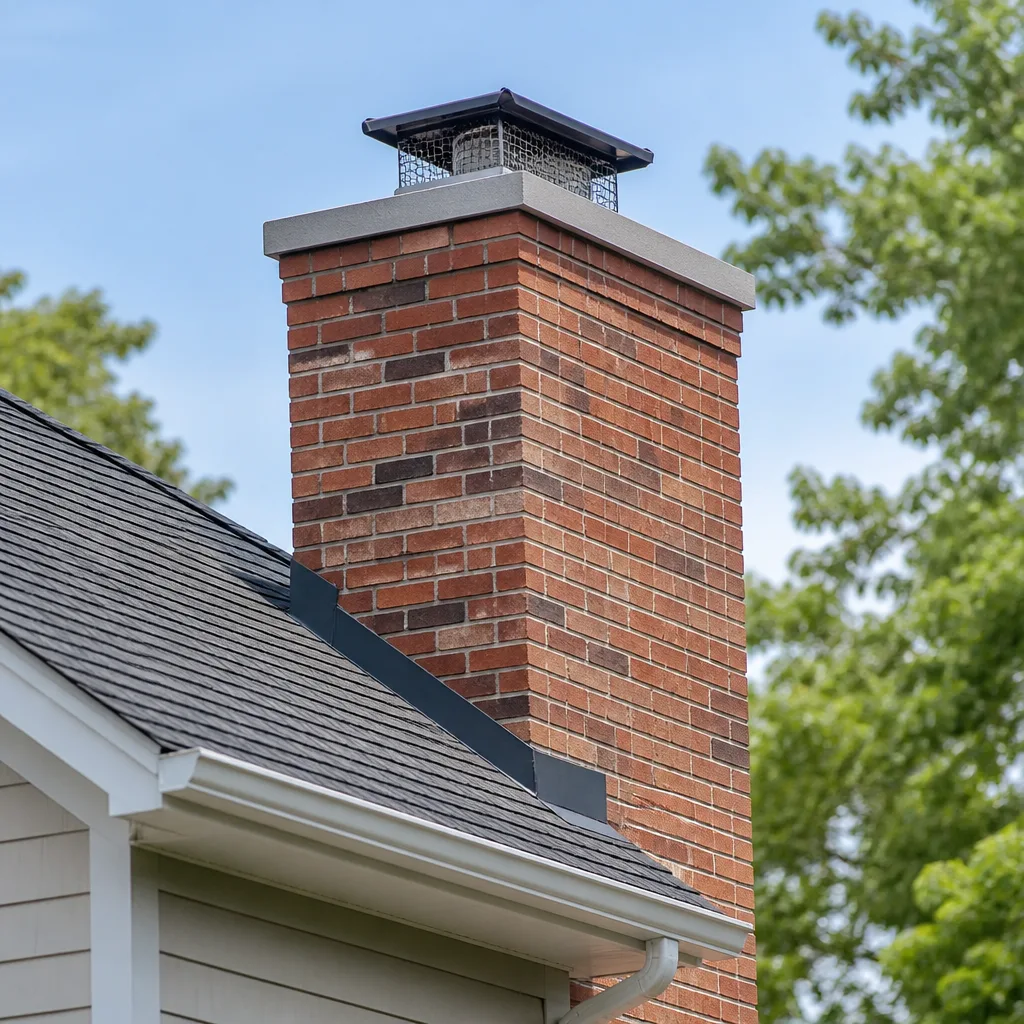 Caps & crowns
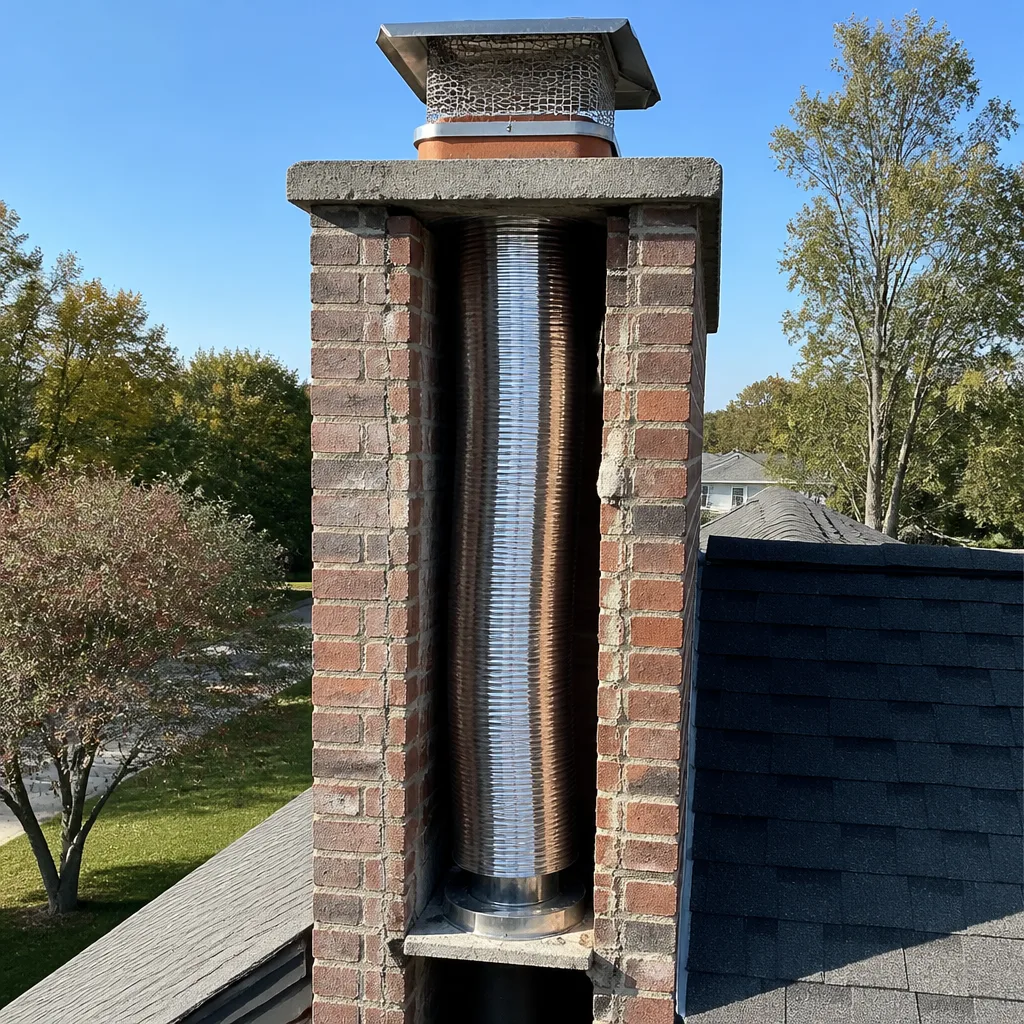 Flue relining
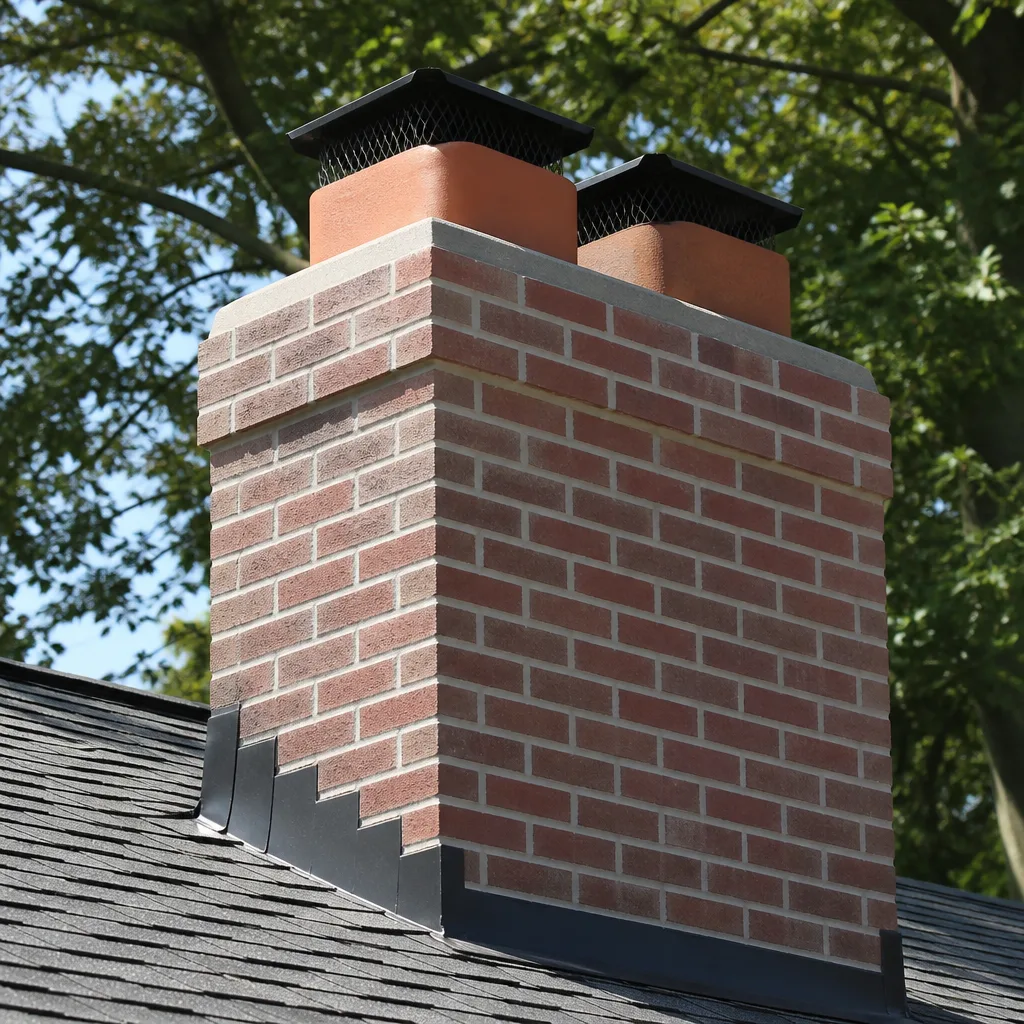 Masonry repair
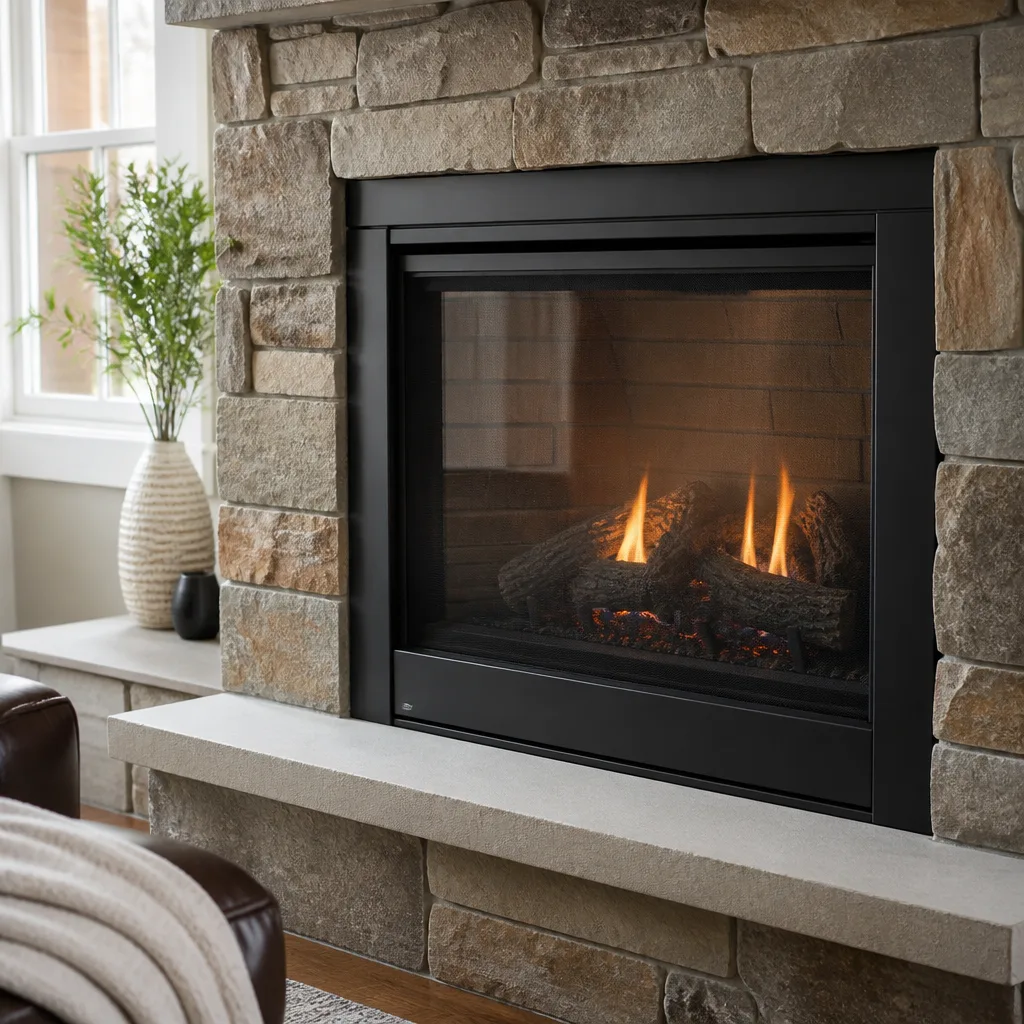 Gas fireplace service
Level 1 sweep and inspection to the NFPA 211 annual standard - flue, crown, cap, and flashing checked and photographed
Chimney sweep logs do not sweep chimneys. They loosen some creosote - which then falls where a brush and vacuum still have to collect it.
Chimney Cleaning Emergency Preparedness Guide for Palo Alto Homes
A chimney fire doesn’t always announce itself with flames shooting from the top of the flue. The majority are slow-burning, low-oxygen events that crack clay liner tiles from the inside, and the homeowner may never know one occurred until a camera inspection reveals the damage months or years later. In Palo Alto, where many homes date to the post-war building boom and still run their original masonry chimneys, this silent risk is more common than most residents assume. This guide and our Chimney Cleaning Warning Signs: A Palo Alto Homeowner’s Reference Guide explain what actually happens during a chimney fire, how to recognize the signs of one in progress or recently extinguished, what to do in the moment, and how to prepare your Palo Alto home so you’re never caught off guard. We’ll cover the specific failure sequence, why post-fire inspection is non-negotiable, and what repair standards actually reduce future risk.
Quick Answer
Chimney fire emergency preparedness in Palo Alto means knowing three things: how to recognize a chimney fire in progress (loud popping, dense smoke, unusual smell, a damper that suddenly won’t operate), what immediate steps to take (close the damper and air inlets if safe, evacuate, call 911, and never use the fireplace again until inspected), and how to prevent one from occurring in the first place through annual sweeping and inspection with a camera. A post-fire inspection is mandatory because most chimney fires are low-oxygen events that cause structural damage without dramatic visible flames, leaving behind cracked flue liners that make the next fire far more dangerous.
Styles & brands we work with
- Sweep & inspection
- Caps & crowns
- Flue relining
- Masonry repair
- Gas fireplace service
Table of Contents
- The Anatomy of a Palo Alto Chimney Fire
- Recognizing the Signs of an Active or Recent Chimney Fire
- Immediate Steps: What to Do If You Suspect a Chimney Fire
- Why a Post-Fire Camera Inspection Is Mandatory
- Carbon Monoxide: The Blockage Risk That Has Nothing to Do With Flames
- Why Stainless Steel Liners Like DuraFlex Reduce Fire Propagation Risk
- Building a Prevention Routine for Palo Alto Homes
- Common Mistakes to Avoid
- When to Call a Professional
- Frequently Asked Questions
The Anatomy of a Palo Alto Chimney Fire
Most homeowners picture a chimney fire as a dramatic event: flames erupting from the top of the chimney, a sound like a freight train, neighbors calling the fire department. That happens, but it’s the minority. The more common scenario plays out quietly, over the course of twenty to forty minutes, inside the flue where nobody can see it.
Here’s the sequence that matters. Wood smoke carries unburned particles upward. As that smoke cools against the inner walls of the chimney, those particles condense into creosote, a tar-like substance that accumulates in three stages. Stage one is a fine, sooty powder that brushes away easily. Stage two is flaky and granular, like burnt cornflakes, and it’s already a fuel source. Stage three is a hardened, shiny glaze that forms when creosote is repeatedly heated and cooled without being removed. Stage three creosote is highly combustible and difficult to remove with standard brushing; in many cases, chemical treatments or mechanical removal methods are required.
When enough creosote builds up, the heat from a normal fire can ignite it. Once creosote ignites, the fire travels upward through the flue, reaching temperatures between 1,000 and 2,000 degrees Fahrenheit. At those temperatures, clay flue tiles, the standard liner material in mid-century Palo Alto homes, expand unevenly and crack. The mortar joints between tiles can fail. Once the liner is compromised, the next fire has a direct path to wood framing, insulation, and roofing materials.
In Palo Alto specifically, this risk is compounded by two factors. First, the housing stock skews older. Homes built in the 1950s and 1960s, common in neighborhoods like Midtown, Greenmeadow, and Barron Park, typically have terra cotta clay liners that were state-of-the-art at the time but are now six to seven decades old. Second, Palo Alto’s wet winters followed by dry summers create thermal cycling that stresses masonry over time. Moisture seeps into the brickwork during winter rains, then the summer heat expands and contracts the structure. Cracks develop in the crown, the mortar, and eventually the liner itself. A Chimney Cleaning Palo Alto home with an original clay liner and years of accumulated creosote is a fire sequence waiting to complete itself.
Recognizing the Signs of an Active or Recent Chimney Fire
If a chimney fire is active, there are signs. But several of them are easy to misinterpret, and a few are things most homeowners would never think to look for. Knowing them is the difference between catching a problem early and discovering structural damage after the fact.
Signs of an active chimney fire
- Loud popping or crackling: This is distinct from the normal popping of burning wood. Creosote burning sounds like popcorn in a microwave, but louder, and it comes from the chimney, not the firebox.
- A deep, rumbling sound: Sometimes described as a freight train or a low roar. This is the sound of intense combustion drawing air up the flue.
- Dense, dark smoke from the chimney top: Creosote burns dirty, and the smoke is noticeably thicker and darker than a normal wood fire.
- Flames visible at the chimney top: This is the classic sign, but remember: many chimney fires are slow-burning and never show visible external flames.
- An intense, acrid smell: Burned creosote has a chemical, tar-like odor that’s very different from the pleasant smell of wood smoke. Some homeowners describe it as similar to burning plastic.
Signs of a recent chimney fire that already went out
- A damper that’s suddenly hard to operate: Intense heat warps the metal damper plate. If your damper was smooth yesterday and stiff today, something changed inside the flue.
- Flakes of creosote in the firebox or on the roof: After a fire, expanded and hardened creosote often detaches from the flue walls and falls. Finding unusual debris in the firebox is a red flag.
- Discolored or warped chimney cap: The metal cap at the top of the chimney shows heat stress after a fire. Look for rainbow-colored discoloration, bubbling paint, or melted screening.
- Cracked or missing flue tiles: You won’t see these without a camera inspection, but if pieces of terra cotta appear in the firebox after use, the liner has already failed.
- Roof damage near the chimney: Heat can transfer through masonry and damage shingles, flashing, or the roof deck within a few feet of the chimney.
If you notice any of these signs in a Palo Alto home, whether in Crescent Park, Old Palo Alto, or any other neighborhood, stop using the fireplace immediately and schedule an inspection. The next fire through a compromised flue is the one that reaches the structure.
Immediate Steps: What to Do If You Suspect a Chimney Fire
If you suspect a chimney fire is happening right now, your actions in the first sixty seconds matter. Here’s the sequence, in order.
- Close the damper if you can do so safely. A chimney fire needs oxygen. Closing the damper reduces the air supply to the fire in the firebox, which reduces the draw that feeds the creosote fire in the flue. If the damper is already warped or you can’t reach it without putting your face near the firebox, skip this step.
- Close any glass doors or fireplace screens. This further reduces oxygen to the firebox, but be aware that a sudden rush of air when opening doors can accelerate the fire. Move slowly.
- Close the air inlets on the fireplace if your model has them. Some newer wood stoves and fireplace inserts have primary and secondary air controls. Close them fully.
- Evacuate everyone from the home. Do not wait to see if the fire goes out. Chimney fires can breach the flue and spread into the attic or wall cavities without warning.
- Call 911 from outside the home. Tell the dispatcher you have a suspected chimney fire. The Palo Alto Fire Department responds to chimney fire calls, and they will check the flue, the attic, and the roofline for heat.
- Do not attempt to use water. Pouring water into the firebox or down the chimney can cause thermal shock that shatters flue tiles and can send steam and burning debris into the living space.
- Do not return to the home until the fire department clears it. Even if the fire appears to have gone out, hot spots can remain inside the flue and surrounding masonry.
After the immediate emergency is over, the next step is always the same: a professional inspection before the fireplace is used again. Even if the fire department gives you the all-clear for reentry, that clearance means the fire is out, not that the chimney is safe to use. The two are entirely different things.
Why a Post-Fire Camera Inspection Is Mandatory
If your chimney has been through any fire event, even a small one that seemed to self-extinguish, the single most important action you can take is a camera inspection before the fireplace is used again. This is not optional, and here’s why.
A chimney fire changes the internal condition of the flue in ways that are invisible from the outside. Clay liner tiles, which are the standard in mid-century Palo Alto construction, can crack clean through. The mortar joints between tiles can disintegrate. The tiles can shift out of alignment, creating gaps that expose the surrounding masonry and, eventually, the home’s framing. A chimney that survived one fire may not survive the next, because the first fire has already compromised the structure.
During a Chimney Sweep in Palo Alto inspection that follows a chimney fire event, we run a high-resolution camera up the full height of the flue and look for specific damage patterns:
- Horizontal and vertical cracking in clay tiles: Thermal stress creates these fractures, and they’re the primary indicator that the liner has failed structurally.
- Displaced or shifted tiles: Heat can cause the masonry to expand and settle unevenly, moving tiles out of alignment and creating gaps that expose combustible materials.
- Collapsed sections of the flue: In severe fires, entire portions of the clay liner can fall away, leaving an unlined chase of brick and mortar.
- Melted or glazed creosote deposits: Stage three creosote takes on a glassy, hardened appearance after exposure to high heat. It’s a sign the flue reached temperatures far beyond normal operating range.
- Heat damage to the damper and smoke shelf: Warped metal, cracked welds, and heat stress on the damper plate all point to a significant fire event.
- Damage to the chimney cap and crown: The top of the chimney takes the brunt of the heat. Cracks in the crown or a warped cap are a visible external indicator of internal damage.
The report should include clear images and a plain-language explanation of what was found. We believe every homeowner deserves to see the inside of their own chimney, not just be handed a recommendation without evidence. When you can see the crack in the liner or the gap between tiles, the decision about what needs to be done becomes straightforward.
In Palo Alto, there’s no legal requirement to inspect a chimney after a fire event before reusing it, but there’s every practical reason to do so. The cost of a camera inspection is a fraction of the cost of the structural repair that becomes necessary when a compromised chimney is put back into service and the next fire spreads into the home.
Carbon Monoxide: The Blockage Risk That Has Nothing to Do With Flames
Chimney fires get the headlines, but the more insidious risk in a Palo Alto home is the one that never produces a single visible flame. Carbon monoxide is odorless, colorless, and produced by every combustion appliance in the home, including your fireplace, your furnace, and your water heater. All of them rely on the chimney or vent to carry those gases outside. When that path is blocked, those gases come back inside.
What blocks a chimney?
- Nesting material: Birds, squirrels, and raccoons build nests in chimneys throughout the Peninsula, especially during the spring. A fully blocked flue can redirect all combustion gases into the living space.
- Debris accumulation: Leaves, twigs, and other organic material accumulate at the top of the chimney, especially if the cap is damaged or absent.
- Collapsed liner sections: When clay tiles crack and fall into the flue, they can create a physical obstruction that partially or fully blocks the passageway.
- Heavy creosote accumulation: In extreme cases, creosote buildup can narrow the flue opening so significantly that proper draft becomes impossible.
- Masonry collapse: Older Palo Alto chimneys can develop structural failures where brick and mortar crumble into the flue, creating blockages at any point along the height of the chimney.
The danger is that a partially blocked chimney can still draft well enough to pull most gases upward, but not all of them. Over time, carbon monoxide accumulates in the living space, and because it’s completely undetectable without a detector, the symptoms are often mistaken for the flu: headache, dizziness, nausea, fatigue. In severe cases, the consequences are fatal.
Palo Alto homes with older chimneys are at higher risk for liner collapse, which is one of the most common sources of hidden chimney blockages. If your home was built before 1980 and the chimney has never been relined or inspected with a camera, you don’t know what condition the liner is in. We’ve pulled pieces of cracked clay tile out of chimneys in Professorville and College Terrace that had been sitting there for years, partially blocking the flue while the homeowners continued to use the fireplace. The furnace and water heater were still venting through the same structure.
The most important thing you can do, besides annual inspection, is to maintain working carbon monoxide detectors on every level of your home and in the hallway outside sleeping areas. Change the batteries twice a year, and replace the detectors every five to seven years. A carbon monoxide detector is the last line of defense. The first line is a chimney that’s clear and structurally sound.
Why Stainless Steel Liners Like DuraFlex Reduce Fire Propagation Risk
When a chimney fire damages a clay liner, the question becomes what to replace it with. The repair standard after a fire event, and the one we recommend to Palo Alto homeowners, is a stainless steel liner system. Here’s why that matters, and what makes systems like DuraFlex the standard in the professional chimney industry.
Clay tile liners are rigid, brittle, and joined together with mortar. Under the thermal stress of a chimney fire, they crack. The cracks create pathways for heat and combustion gases to reach the surrounding masonry. In an older home, that masonry is often in direct contact with wood framing. Once the heat reaches the framing, the chimney fire is no longer confined to the chimney.
Stainless steel liners like DuraFlex are a fundamentally different approach. They’re made from contoured, interlocking sections of stainless steel that create a continuous, flexible lining system. The material was developed to withstand the exact conditions that destroy clay: high heat, rapid temperature changes, and the corrosive byproducts of combustion. When installed correctly, a stainless steel liner contains the fire within the flue, where it belongs, and prevents it from reaching the chimney structure.
There are specific technical reasons this matters for a post-fire repair:
- Thermal expansion: Stainless steel expands and contracts with heat without cracking. Clay expands unevenly and fractures.
- Continuous construction: A properly installed stainless steel liner has no mortar joints to fail. There are no gaps for heat or gases to escape through.
- Insulated installation: When installed with a proper insulation wrap, a stainless steel liner maintains flue gas temperatures more effectively, reducing creosote formation and improving draft. Insulated liners are rated for the temperatures achieved during a chimney fire.
- Corrosion resistance: Stainless steel resists the acids produced during combustion that erode clay and mortar over time.
- UL listing and testing: DuraFlex systems are tested and listed to UL 1777, which means they meet the safety standards required for zero-clearance installation in masonry chimneys.
This is not a case where a cheaper material will do the job. After a chimney fire, the flue has already proven that it can reach temperatures high enough to fail. Putting the same brittle clay back in, or worse, ignoring the damage, invites the same failure sequence to repeat. A Chimney Repair in Palo Alto that installs a stainless steel liner after a fire event is replacing a failed system with one designed to contain the same event if it ever happens again.
In some cases, a full liner replacement is not necessary, and a resurfacing system like HeatShield can restore the integrity of a damaged clay flue. HeatShield is a ceramic coating applied to the interior of the existing flue, rebuilding the surface and sealing cracks without the cost and disruption of a full relining. This is a specialty service that most chimney companies don’t offer, and it’s one of the reasons we’re able to offer Palo Alto homeowners options beyond the all-or-nothing choice between neglect and full replacement.
Building a Prevention Routine for Palo Alto Homes
Emergency preparedness is not primarily about what you do during an emergency. It’s about what you do in the months and years before one so that the emergency never happens. For Palo Alto homeowners, that means building a chimney maintenance routine – see our Chimney Sweep Maintenance Checklist for Palo Alto Homeowners – that accounts for the specific conditions of this climate and this housing stock.
The annual sweep
The National Fire Protection Association (NFPA 211) recommends that chimneys be inspected at least once a year and cleaned as needed. For Palo Alto homeowners who burn wood regularly during the winter, that typically means an annual sweep. For homes that use the fireplace only occasionally, the sweep may only be necessary every second or third year, but the inspection should still happen annually.
The purpose of a sweep is creosote removal, and it matters. Creosote is the fuel source for chimney fires, and removing it means removing the fire risk. A professional sweep uses wire brushes sized to the flue dimensions and removes creosote from the firebox, smoke shelf, damper, and the full height of the flue. In our experience, the biggest variable in creosote accumulation is not how often you burn, but what you burn and how. Green, unseasoned wood produces more creosote than properly seasoned wood. Smoldering, low-oxygen fires produce more creosote than hot, efficient fires. We see the difference in Palo Alto homes every winter season.
The annual inspection
A Chimney Sweep in Palo Alto should include a level of inspection that goes beyond the sweep itself. At minimum, that means a visual examination of the accessible portions of the chimney, including the crown, cap, flashing, and the interior of the firebox. But a camera inspection of the full flue is the only way to see what’s happening inside the chimney, and for older homes with original clay liners, that camera view is often the first time anyone has actually seen the condition of the flue.
We recommend a camera inspection with every sweep, and it should be standard for any home that has never had one. The camera reveals cracking, spalling, missing mortar joints, and blockages that are invisible from the top or bottom. It also provides a baseline: once you know the condition of your flue, future inspections can track whether the condition is stable or changing.
The off-season checklist
When the fireplace is not in regular use, there are a few things Palo Alto homeowners can do on their own:
- Check the chimney cap: Look at it from the ground with binoculars. If it’s missing, damaged, or covered with nesting material, call for service.
- Listen for birds or animals: Rustling, chirping, or scratching sounds coming from the chimney are signs of nesting. Do not attempt to smoke out the animals; birds and squirrels can fall into the fireplace and die inside the home. Cap repair is the solution.
- Watch for water stains: Stains on the ceiling or walls near the chimney indicate water penetration. In Palo Alto’s wet winters, this is a common issue, and it weakens the masonry over time.
- Check the damper: If it’s become sticky or hard to operate, leave it alone and call for an inspection. A damper that suddenly won’t close properly can be a sign of internal damage.
- Schedule the winter service early: Chimney companies in Palo Alto book out weeks in advance during the fall. Scheduling your sweep and inspection in the late summer or early fall means you’ll be ready for the first rain, not waiting for an appointment in the middle of fireplace season.
Palo Alto’s climate plays a role here. The dry summers create ideal conditions for creosote to harden into difficult-to-remove stage three deposits. The wet winters introduce moisture that weakens masonry. The annual cycle of expansion and contraction in the chimney structure is gradual, but over decades, it takes a toll. Homes in neighborhoods with mature tree coverage, like the canopy-heavy streets of Midtown or the oaks near Foothills Park, also accumulate more debris on their rooftops and chimney tops. All of this means that regular maintenance in Palo Alto is not optional; it’s the difference between a chimney that lasts another fifty years and one that fails. For more on local requirements, read Chimney Cleaning Permits, Codes & Inspections in CA: What You Need to Know.
Common Mistakes to Avoid
- Assuming a chimney fire means visible flames: Most chimney fires are slow-burning events that never show flames at the top of the chimney. The damage is internal, and the only way to find it is with a camera inspection.
- Using the fireplace again after a suspected fire without an inspection: A chimney that has been through a fire event has already demonstrated that it can reach failure temperatures. The next fire through a compromised flue is the one that reaches wood framing.
- Pouring water on a chimney fire: This causes thermal shock that shatters flue tiles and can send steam and burning debris into the living space. Let the fire department handle it.
- Ignoring a damper that’s suddenly difficult to operate: A warped damper is a sign that the chimney reached temperatures far beyond normal range. It’s a red flag, not a minor inconvenience.
- Burning green or unseasoned wood in Palo Alto: Wet wood produces more creosote, and creosote is the fuel source for chimney fires. Seasoned hardwood with a moisture content below 20% burns cleaner and hotter.
- Skipping the annual inspection because the fireplace “works fine”: Internal damage does not produce symptoms until it’s serious. A camera inspection is the only way to see the condition of the flue before it becomes an emergency.
- Treating the chimney and the dryer vent as unrelated systems: They share a common function: moving combustion byproducts and heat out of the home. A Dryer Vent Cleaning in Palo Alto addresses one of the most common household fire hazards, and it belongs in the same annual maintenance routine as your chimney sweep.
When to Call a Professional
Call a chimney professional if you’ve experienced a suspected chimney fire, even a small one, and have not yet had a camera inspection. Call if your damper has become difficult to operate, if you hear animals in the chimney, if you see water stains near the chimney, or if you notice any debris falling into the firebox. Call if you’ve lived in your Palo Alto home for years and have never had the flue inspected with a camera, because you genuinely do not know what’s inside it. And call before the fall rush: chimney service companies on the Peninsula book out quickly in September and October, and the homeowners who call in August are the ones who get the appointment dates they want. Chimney Cleaning Palo Alto offers free estimates in Palo Alto. Call (833) 620-7463 to schedule your inspection and sweep.
Frequently Asked Questions
You may not know, and that’s the problem. Look for the indicators: loud popping sounds during a fire, dense smoke from the chimney top, an acrid chemical smell, a damper that suddenly became hard to operate after a fire, flaky creosote debris in the firebox, or a warped and discolored chimney cap. If you have any doubts, a camera inspection will settle the question definitively.
No. A chimney fire that self-extinguishes has still subjected the flue to temperatures far beyond normal. The liner may be cracked, and the next fire could be the one that spreads. Always have a camera inspection before using the fireplace again.
At least once per year for homes that burn wood regularly during the winter. Homes that use the fireplace only occasionally may be able to extend the sweep interval to every second or third year, but the annual inspection should still happen. The inspection is what catches structural problems before they become emergencies.
Camera inspections in Palo Alto typically range from $150 to $350 depending on the level of the inspection and the condition of the chimney. If repairs are needed, that cost is often credited toward the repair fee. Call (833) 620-7463 for an exact quote; estimates are free.
A stainless steel liner like DuraFlex does not prevent creosote from forming, and it does not prevent creosote from igniting. What it does is contain the fire within the flue, preventing it from spreading to the surrounding masonry and framing. It’s the difference between a contained event and a structural fire.
In the sense that both are combustion venting systems in your home, yes. A clogged dryer vent is one of the top causes of residential fires in the United States, and a blocked chimney is a carbon monoxide risk. Both systems move heat and gases out of your home, and both need annual attention.
The Bottom Line
Chimney fire preparedness in Palo Alto means understanding the failure sequence well enough to interrupt it. Creosote accumulates. Heat ignites it. The flue cracks. The structure is exposed. Each step along that sequence is detectable, and each one is preventable with the right maintenance. The immediate response matters, but the real work happens in the months before: the annual sweep, the camera inspection, the repair work done with professional-grade materials like DuraFlex liners and HeatShield resurfacing rather than whatever the big-box store sells. A chimney that’s been properly maintained will not surprise you. That’s the whole point of preparation. Explore more guides & resources to keep your home safe.
Written by the team at Chimney Cleaning Palo Alto, serving Palo Alto since 2018.
See the difference
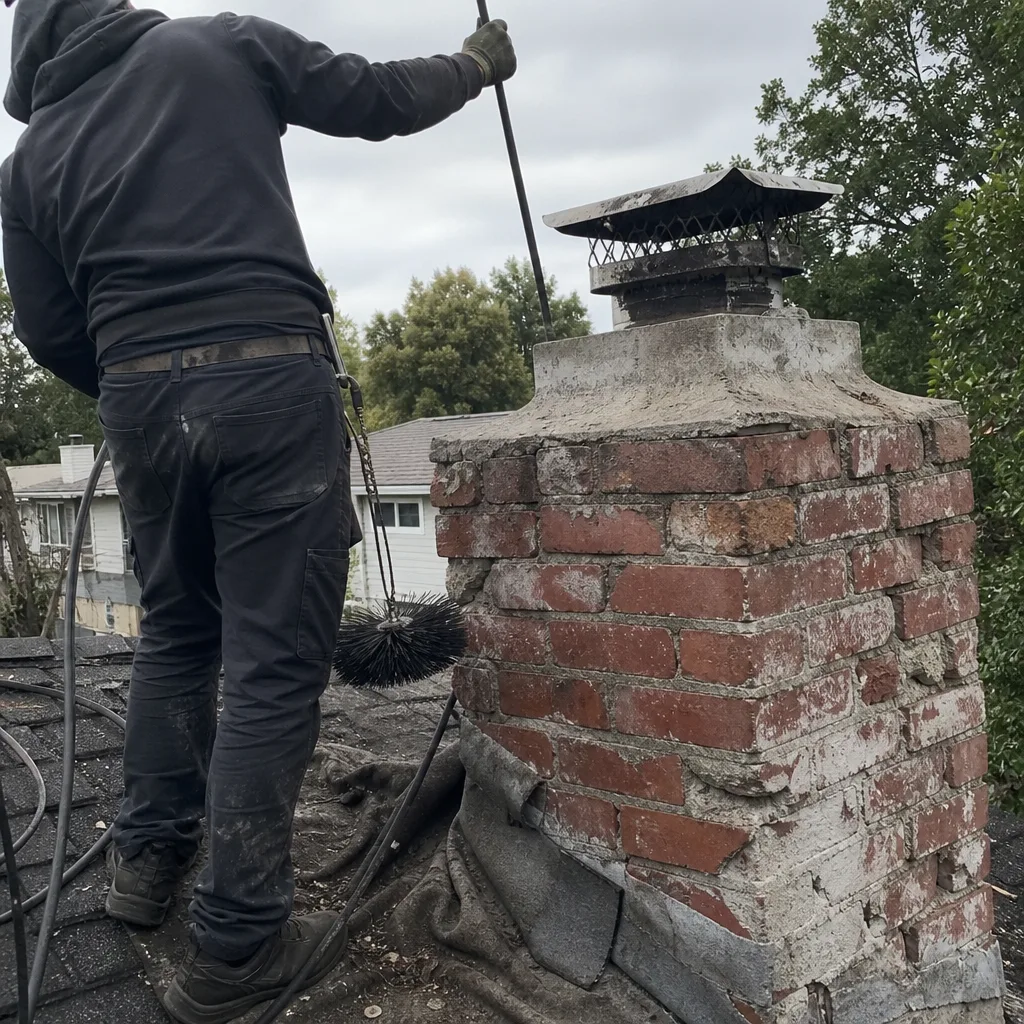 Before
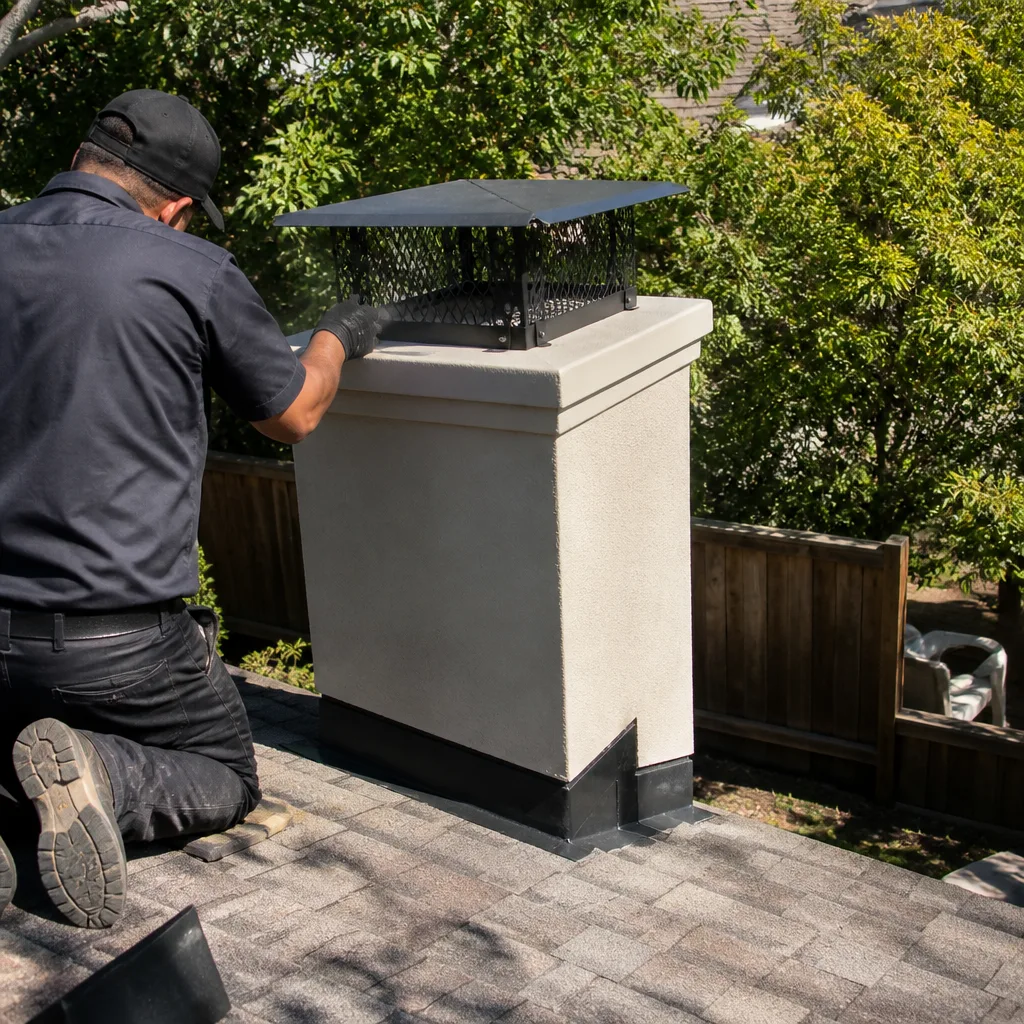 After
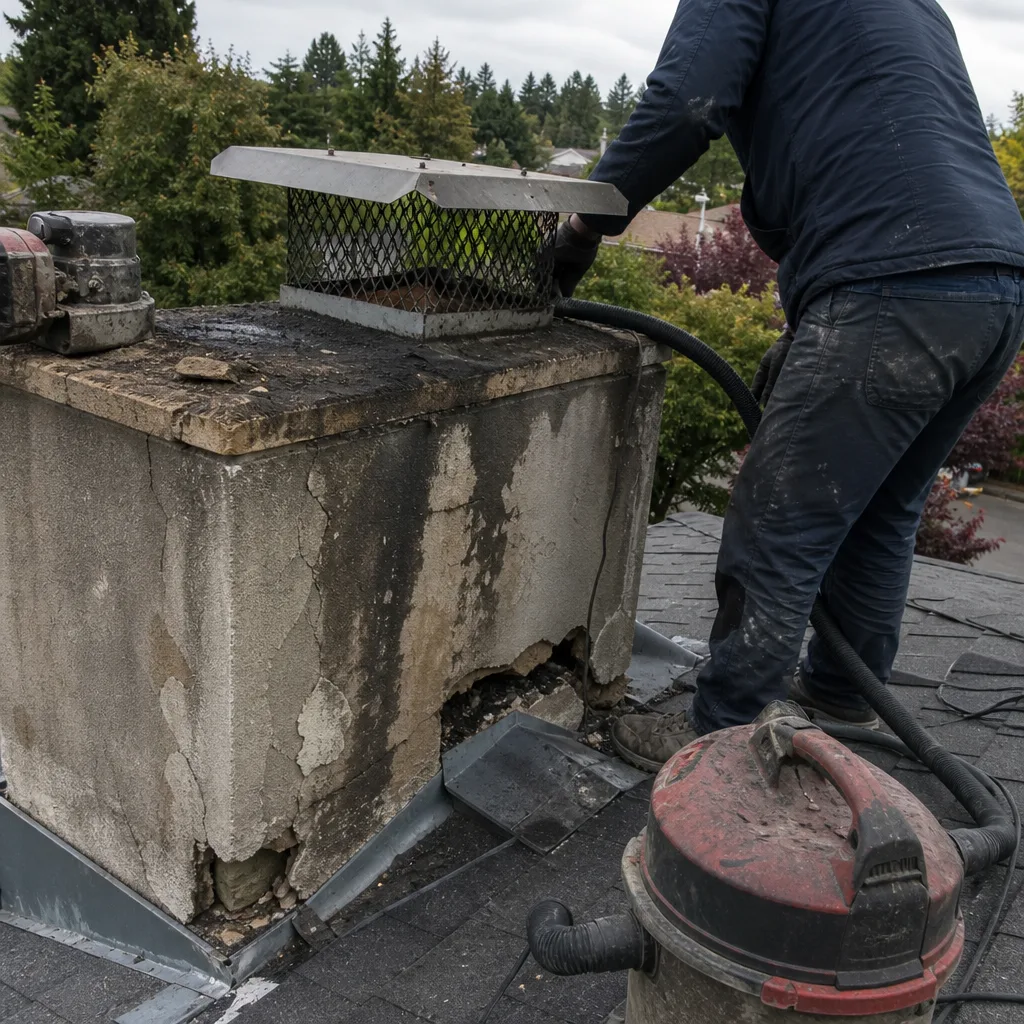 Before
 After
 Before
 After