
Last updated November 2, 2026
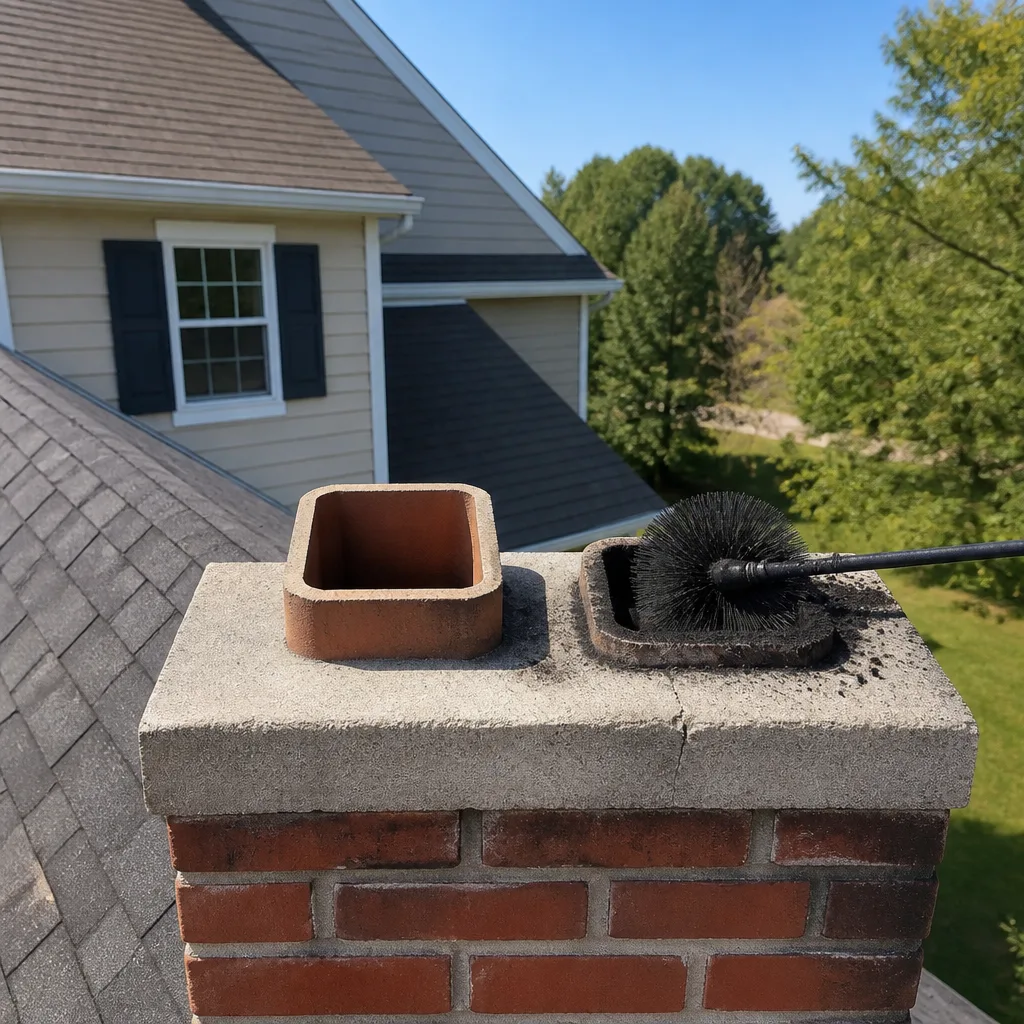 Sweep & inspection
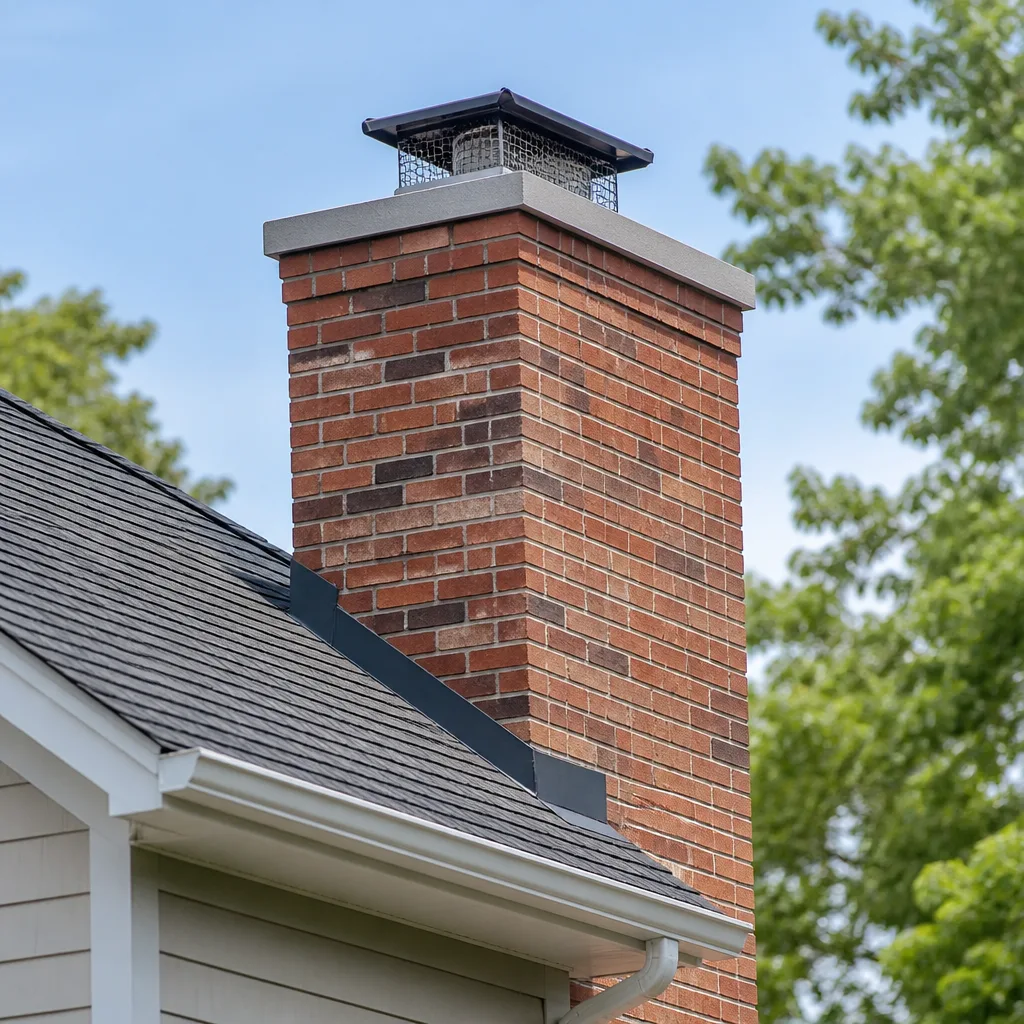 Caps & crowns
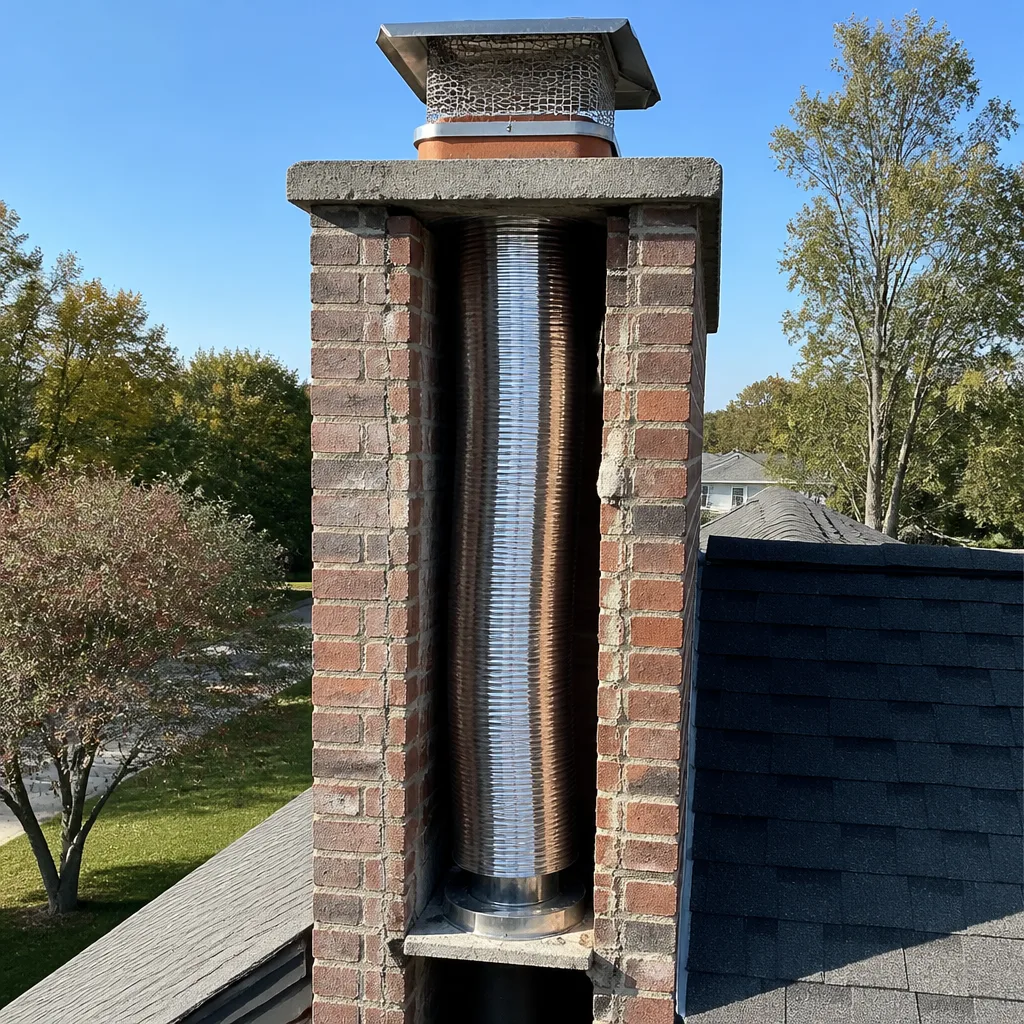 Flue relining
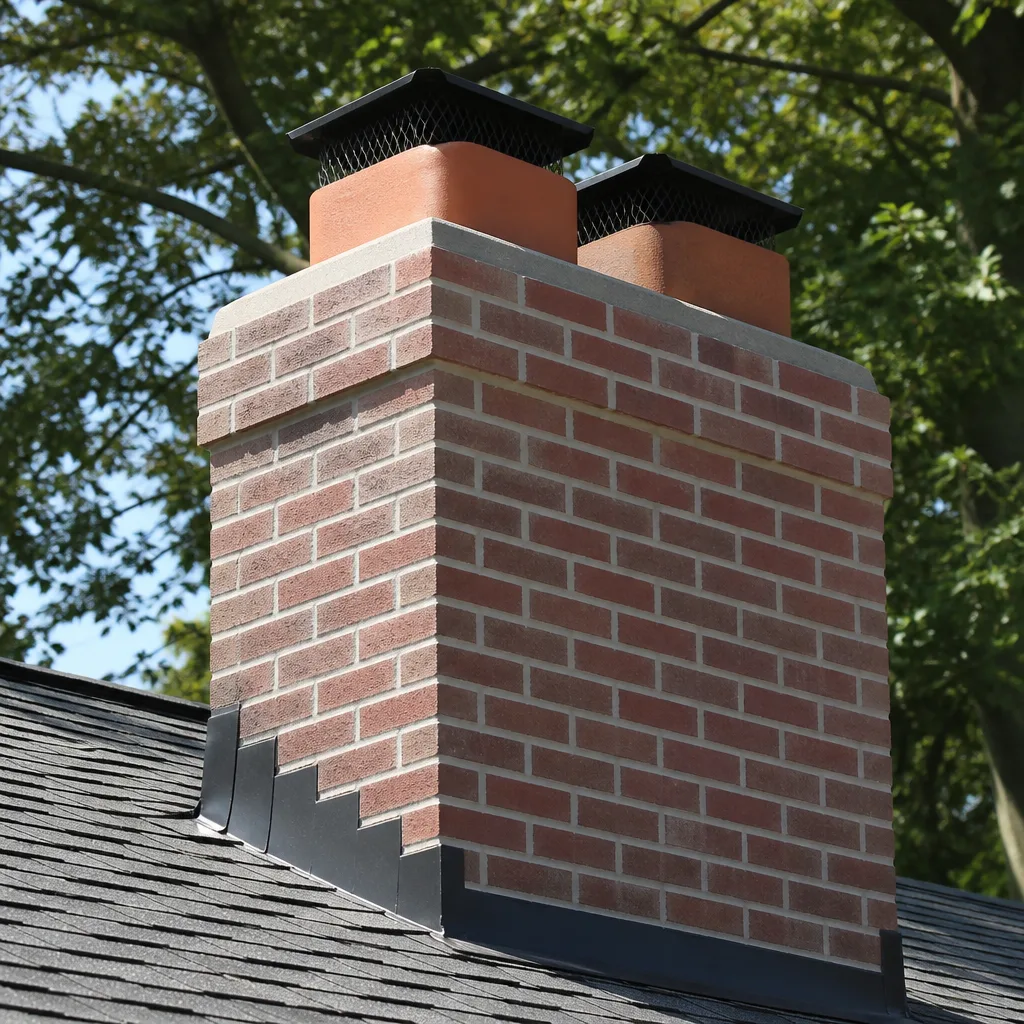 Masonry repair
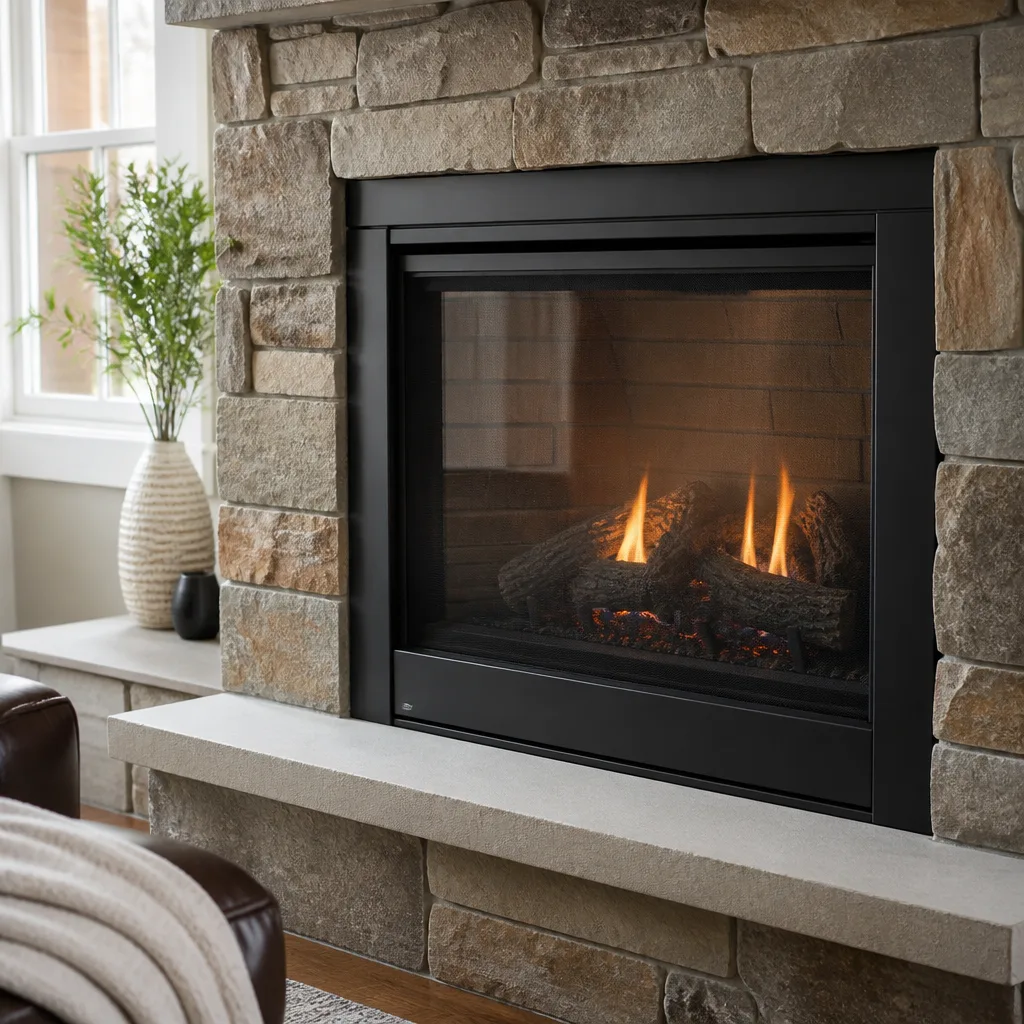 Gas fireplace service
Level 1 sweep and inspection to the NFPA 211 annual standard - flue, crown, cap, and flashing checked and photographed
Chimney sweep logs do not sweep chimneys. They loosen some creosote - which then falls where a brush and vacuum still have to collect it.
The Complete Chimney Sweep Guide for Palo Alto Homeowners
A chimney burned only four or five times a winter can accumulate more hazardous creosote than one used nightly. That sounds backwards, and it is, unless you understand what actually drives creosote formation. Short, cool fires with incomplete combustion, the kind most Palo Alto homeowners build on a chilly December evening, are the single biggest predictor of glazed, stage-2 and stage-3 creosote. This guide explains why our mild Bay Area climate creates a deceptive chimney risk, what a proper sweep actually does, and how to know whether your fireplace needs attention this year. We’ll walk through inspection levels, liner types common in older Palo Alto homes, early warning signs you can spot yourself, and when a sweep isn’t enough.
Quick Answer
A Chimney Sweep in Palo Alto typically costs between $180 and $350, and the right sweep schedule here depends on burn frequency and wood moisture, not a calendar date. Palo Alto homes used only occasionally, say four to ten fires per winter, often need sweeping more urgently than daily-burn chimneys in colder climates because short, cool fires accelerate glazed creosote. If you burn at all, even sporadically, an inspection this season is the only way to know whether your flue is safe.
Key Takeaways:
- Infrequent, cool fires create more hazardous creosote than hot, regular burns.
- Palo Alto’s damp coastal wood supply increases moisture load and creosote production.
- A Level I inspection is visual; a Level II adds a camera scan and is required when you buy, sell, or change fuel type.
- Many older Palo Alto chimneys are unlined or have terra cotta tiles that fail current NFPA 211 standards.
- Professional-grade repair components like DuraFlex liners and HeatShield resurfacing fix problems a basic sweep leaves unresolved.
Styles & brands we work with
- Sweep & inspection
- Caps & crowns
- Flue relining
- Masonry repair
- Gas fireplace service
Table of Contents
- The Palo Alto Creosote Paradox
- What a Chimney Sweep Actually Does
- Level I vs. Level II Inspections
- How to Read Your Own Firebox and Smoke Chamber
- Liner Types in Older Palo Alto Homes
- When a Sweep Isn’t Enough: What DuraFlex and HeatShield Actually Fix
- The Dryer Vent Connection Most Guides Miss
- How Often Should You Sweep in Palo Alto?
The Palo Alto Creosote Paradox
Most sweep advice online is written for cold-climate homeowners in places like Minnesota or New England, where people burn nightly from November through March. In those homes, hot fires burn off moisture and keep flue temperatures high enough that creosote, a tarry byproduct of wood smoke, stays in a flaky, brushable stage-1 form. The advice to “sweep annually” works there because the creosote remains manageable between visits.
Palo Alto burns differently. We see fireplaces lit four, six, maybe ten times between Thanksgiving and Valentine’s Day. The fires are short, often an hour or two in the evening. The wood, if purchased from a local supplier, may have absorbed moisture from coastal fog and winter rain. Every one of those factors pushes creosote toward its more dangerous forms. A cool fire produces incomplete combustion. Incomplete combustion produces more creosote vapor. When that vapor hits a flue that never gets hot enough to dry it fully, it condenses as a sticky, shiny glaze. That glaze is stage-2 creosote, and it’s far harder to remove than the flaky powder most people picture when they think about chimney sweeping. Left alone, it hardens into stage-3, a dense, fuel-rich coating that a standard wire brush won’t remove.
We’ve swept chimneys in Professorville, Old Palo Alto, and Midtown where homeowners were surprised we recommended anything at all. “We barely use the fireplace,” they tell us. The fireplace itself tells a different story. The flue is coated in shiny, tar-like buildup, sometimes an eighth of an inch thick. The firebox walls are black and glazed. The damper is stiff with residue. This is what occasional, cool burning does. It doesn’t prove negligence. It proves physics.
Here’s the number that matters: creosote ignites at around 451 degrees Fahrenheit. A full chimney fire can reach 2,000 degrees. The difference between a contained fire in your firebox and a chimney fire is whether that flue has enough fuel to sustain combustion. In a Palo Alto chimney burned occasionally but never swept, the answer is often yes. The same house may have gone decades without a problem. That’s not evidence of safety. That’s evidence of luck.
What a Chimney Sweep Actually Does
A professional chimney sweep is not a guy with a brush on a stick. The work has three phases: inspection, mechanical cleaning, and post-clean verification. Each matters, and each should be explained before anyone starts charging you.
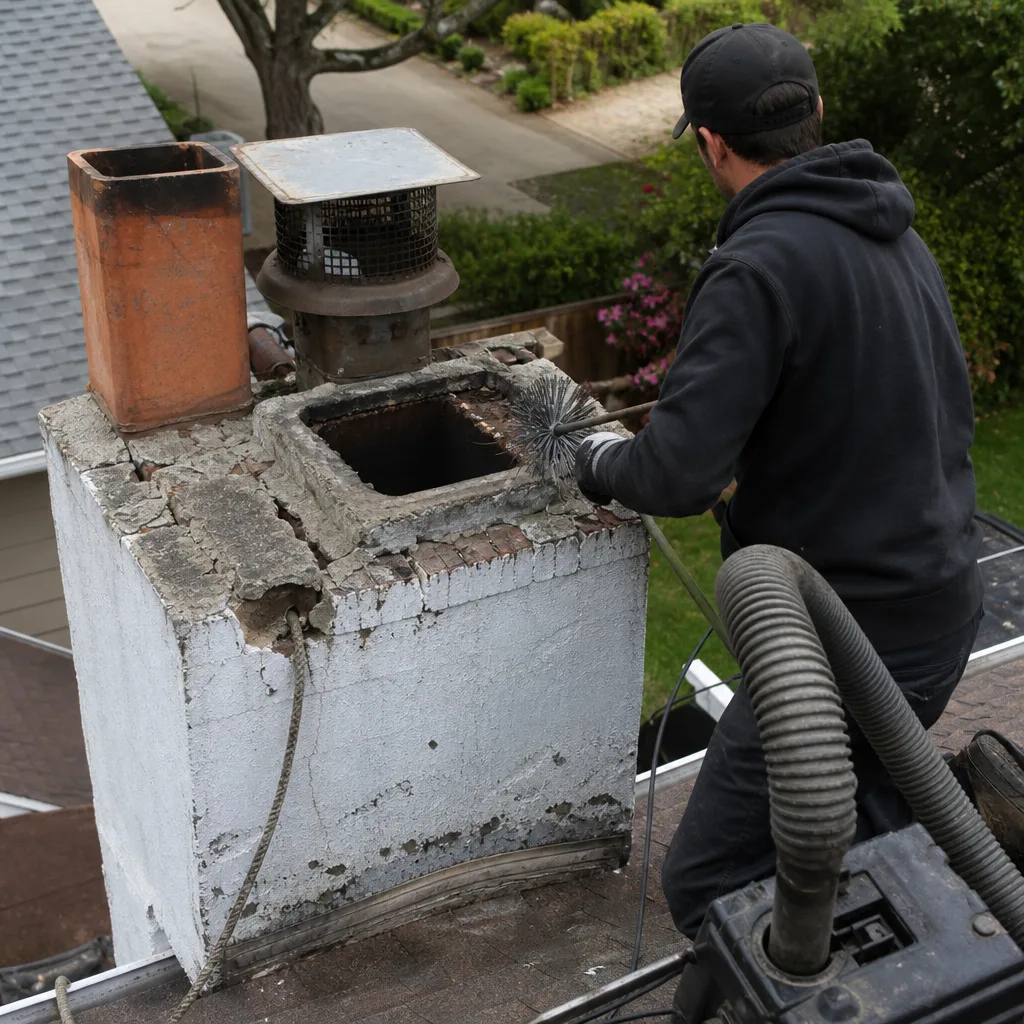
The inspection comes first because it determines what tools the sweep should use. A chimney with stage-1 creosote gets a wire brush. A chimney with glazed stage-2 might need rotary loop cleaning with a drill-driven system. A chimney with stage-3 deposits often requires chemical treatment alongside mechanical removal. If your sweep doesn’t look before they clean, they’re guessing.
Mechanical cleaning removes creosote from the flue walls, the smoke shelf, the smoke chamber, and the firebox. The smoke shelf, a flat area just above the damper, is where debris and creosote collect fastest, and it’s also where many homeowner-grade cleaning kits miss entirely. A proper sweep clears it completely. The smoke chamber, the angled transition area above the smoke shelf, gets scrubbed too, because it’s another fire ignition point.
Post-clean verification means the sweep looks again after cleaning, ideally with the same camera they used before, and confirms the flue is clear. You should be told what was removed, what condition the flue is in now, and whether anything needs monitoring. This is the difference between a sweep and a sweep-and-go. We show our customers what we found and why it matters. It’s the only way to make an informed decision about repair work.
For a deeper look at what our full Chimney Sweep in Palo Alto service includes, we’ve documented the process step by step.
Level I vs. Level II Inspections
The National Fire Protection Association, under NFPA 211, defines three levels of chimney inspection. Most Palo Alto homeowners only ever receive the first, and that’s often by default rather than by design. Understanding the difference is the difference between knowing your chimney looks fine and knowing your chimney is fine.
A Level I inspection is a visual check of the readily accessible portions of the chimney. The sweep looks at the firebox, the damper, and the visible flue from above and below. This is the right level of inspection when you’ve had the chimney swept consistently, nothing has changed about your fireplace, and you’re calling for routine maintenance.
A Level II inspection adds a camera scan. The sweep runs a video camera up the full length of the flue, recording what the naked eye can’t see: cracks in terra cotta tiles, gaps in mortar joints, separated flue sections, and obstructing debris. NFPA 211 says a Level II is required whenever you buy or sell a home, whenever you change fuel type, like converting from wood to gas, and after any event that might have damaged the chimney, including an earthquake or a chimney fire. Palo Alto sits in earthquake country. Even small tremors can crack a masonry flue. If your chimney predates your ownership, and you’ve never seen the inside of it on video, you don’t actually know its condition.
A Level III inspection involves removing portions of the chimney structure, and it’s only called for when a Level II finds something serious enough to require exploratory work. For most homeowners, the practical question is Level I or Level II. Here’s our guidance: if you burn any amount, and you haven’t had a camera scan in the last five years, get the Level II. The camera doesn’t lie, and the cost difference is modest compared to rebuilding a flue that failed quietly for a decade.
How to Read Your Own Firebox and Smoke Chamber
You don’t need to wait for a professional visit to spot early warning signs. A few minutes with a flashlight, when the fireplace is completely cold, will tell you more than most people expect. This is what we look for, and what it means.
- Look at the firebox walls. Flaky, black or brown buildup is normal and easily brushed away. Shiny, tar-like coating that reflects your flashlight beam is glazed creosote. That’s stage-2 or stage-3, and it is a fire hazard, not a cosmetic issue.
- Look at the damper. If the damper plate is coated in sticky residue or is difficult to move, that’s creosote accumulation. A damper that won’t fully close is also a safety problem because it allows warm house air to draft up the chimney year-round, pulling more creosote vapor into the flue and drying it more slowly.
- Shine the light up into the smoke chamber. The angled walls above the firebox should be relatively clean after your last sweep. If they’re blackened and fuzzy, coarsely textured creosote is building up in the exact spot where chimney fires typically start.
- Check the exterior masonry. White staining, called efflorescence, on the chimney exterior means water is moving through the masonry, and moisture accelerates creosote adhesion inside the flue. Cracks in the crown, the concrete cap at the top, are the usual entry point.
- Smell the fireplace on a humid day. A strong, campfire-like odor when the fireplace isn’t in use means creosote is present in meaningful quantity and the flue is pulling air down into the house. Sweeping addresses the odor source directly.
These checks are not a substitute for a professional Chimney Cleaning Palo Alto home inspection with a camera. They’re a triage tool. You’re looking for enough evidence to know whether to pick up the phone.
Liner Types in Older Palo Alto Homes
Palo Alto’s housing stock includes some of the oldest homes on the Peninsula. Professorville alone has Victorians and Craftsman homes dating to the 1890s and early 1900s. Those chimneys were built for open fires, and many were constructed without any flue liner at all. The interior masonry was considered sufficient. Under today’s NFPA 211 standards, an unlined masonry chimney is no longer code-compliant for wood burning. The mortar joints degrade over time, the brick absorbs moisture, and the rough, porous surface is an ideal creosote trap.
The next generation of Palo Alto homes, from the 1920s through the 1950s, typically used terra cotta clay tile liners. Terra cotta is a legitimate material when installed correctly, but it has two weaknesses. It cracks under thermal stress, which is precisely what a chimney experiences every time a fire is lit, and each tile section is joined with mortar that erodes over decades of exposure to heat and combustion byproducts. Once a tile cracks or a mortar joint gaps, heat and gases can reach the surrounding masonry. That’s how house fires start in chimneys that look fine from the outside.
Homes built from the 1960s onward may have stainless steel liners, depending on the builder, or they may still have terra cotta. The only way to know is to look. A camera scan will show exactly what you have and what condition it’s in.
Why does liner type matter for a sweep? Because sweeping a cracked terra cotta flue with an aggressive rotary brush can worsen the damage. This is one reason a professional inspects before cleaning. We adjust the tool and the technique to the liner material. Sweeping an unlined masonry flue requires particular care, and we’ll always document the condition so you understand what you’re working with.
When a Sweep Isn’t Enough: What DuraFlex and HeatShield Actually Fix
A sweep removes creosote. It does not repair a cracked liner, close a gap in a mortar joint, or restore a flue that has lost its structural integrity. When we find those problems, we have options that a sweep-only company doesn’t, and that’s where our materials expertise changes the conversation.
DuraFlex flexible stainless steel liners are the industry standard for relining a chimney with a damaged or absent flue. The liner is a continuous, flexible tube that runs from the fireplace or appliance up through the existing masonry and out the top, giving combustion gases a smooth, insulated, code-compliant path. DuraFlex is the system that chimney specialists use on homes where the terra cotta is failed beyond repair. It’s not a hardware-store substitute. We stock and install DuraFlex because it’s the liner we’d choose in our own homes.
HeatShield resurfacing addresses a different problem. When a masonry or terra cotta flue has cracks or eroded joints but is still structurally sound, a full liner may be overkill. HeatShield is a ceramic-based resurfacing material, applied with a specialized system, that seals the flue from top to bottom, restoring its integrity without the cost of a full reline. It’s a repair option most chimney companies don’t offer because it requires training, equipment, and material certification. We offer it because it extends the life of a salvageable flue and saves homeowners money compared to replacement.
Both approaches start with the same finding: the camera showed deterioration. The difference is a judgement call about severity. Homeowners don’t need to make that call alone. We walk through the video with you, point out exactly what we found, and explain the options in plain language. No repair is recommended without visual evidence you can see yourself.
For details on the full scope of our Chimney Repair in Palo Alto services, we’ve broken down what these systems fix and what they cost.
The Dryer Vent Connection Most Guides Miss
Most chimney guides end before the dryer vent. That’s a gap, and it’s a meaningful one for Palo Alto homeowners. The same household venting logic applies to both. A blocked dryer vent is a fire hazard. A dryer vent full of lint will eventually ignite, and the fire spreads through the wall faster than any chimney fire we’ve seen. The Consumer Product Safety Commission has identified clothes dryers as one of the top causes of residential fires, year after year.
The reason we handle Dryer Vent Cleaning in Palo Alto alongside chimney work is simple: both are venting systems, both collect flammable material, and both are ignored by most homeowners until something goes wrong. Full-service venting maintenance under one roof means a single visit can address your fireplace, your chimney liner, and the dryer vent that runs through your laundry room wall. No handoffs, no second scheduling call, no gap between noticing a problem and fixing it.
Older Palo Alto homes are especially prone to dryer vent issues because many have long, winding vent runs that were retrofitted decades ago. Lint accumulates at every bend. The flexible foil ducting common in older construction traps more lint than rigid metal pipe and is more likely to sag and separate. We inspect the full run, clean it mechanically, and tell you if the vent itself should be replaced. It’s a dedicated service line, not an afterthought.
How Often Should You Sweep in Palo Alto?
The standard advice, “sweep annually,” is a blunt instrument. It’s not wrong, but it’s not calibrated to how Palo Alto homes actually burn. Here’s how we’d frame it:
- Burn more than 20 fires per season: Sweep every year without exception. You’re in the heavy-use category, even if those fires are clustered between November and February.
- Burn 5 to 20 fires per season: Sweep every year to two years, and get a camera scan with the sweep. You’re exactly the profile that develops glazed creosote from cool, short fires.
- Burn fewer than 5 fires per season: Sweep every two to three years, but don’t assume safety from infrequency. Verify with a visual inspection annually. If you smell the fireplace on humid days, sweep now.
- Never burn, but have a gas insert: Have the venting checked every two years. Gas produces less creosote, but the vent can still accumulate debris, condensation, and, in some cases, sulfur-based corrosion.
- Just moved in or buying: Get a Level II camera inspection before the first fire. NFPA 211 requires it at time of sale, but plenty of homeowners skip it. Don’t inherit a chimney fire risk you never looked for.
The wood you buy matters more than most people realize. Palo Alto’s coastal influence means firewood often carries higher moisture content than the 20% maximum recommended for burning. Seasoned firewood should feel light for its size and show visible cracks at the ends. Wet wood smokes, and smoke is unburned fuel that condenses as creosote. If you’ve been burning anything that hisses or sizzles in the fire, plan on a sweep this season. The creosote load is already there.
Common Mistakes to Avoid
- Skipping the camera scan because the chimney “looks fine.” The outside of a chimney rarely reveals what’s happening inside. Terra cotta tiles crack invisibly, and creosote glazes surfaces no one can see without a scope.
- Burning unseasoned wood from local sources. Coastal moisture means firewood in the Bay Area often needs longer to dry than the seller claims. Wet wood equals more creosote, full stop.
- Assuming an infrequently used fireplace is a safe fireplace. Short, cool fires are the primary driver of glazed stage-2 creosote. Using the fireplace less often without sweeping it does not reduce your risk.
- Ignoring the dryer vent because it’s not part of the chimney. Lint fires in dryer vents are more common than most homeowners realize, and the fix is a single visit from a company that handles both.
- Hiring a sweep who doesn’t inspect first. Cleaning a damaged flue with the wrong tool can worsen what you already have. Inspection first is non-negotiable.
- Deferring liner repair because the quote feels high. A failed liner doesn’t heal. The chimney continues to deteriorate, and the eventual repair is more expensive. HeatShield resurfacing often saves thousands compared to full replacement when the damage is caught early.
- Treating a chimney sweep as a checkbox rather than an inspection. The sweep matters. The inspection matters more. What you learn from the camera determines whether your chimney is safe, marginal, or failing.
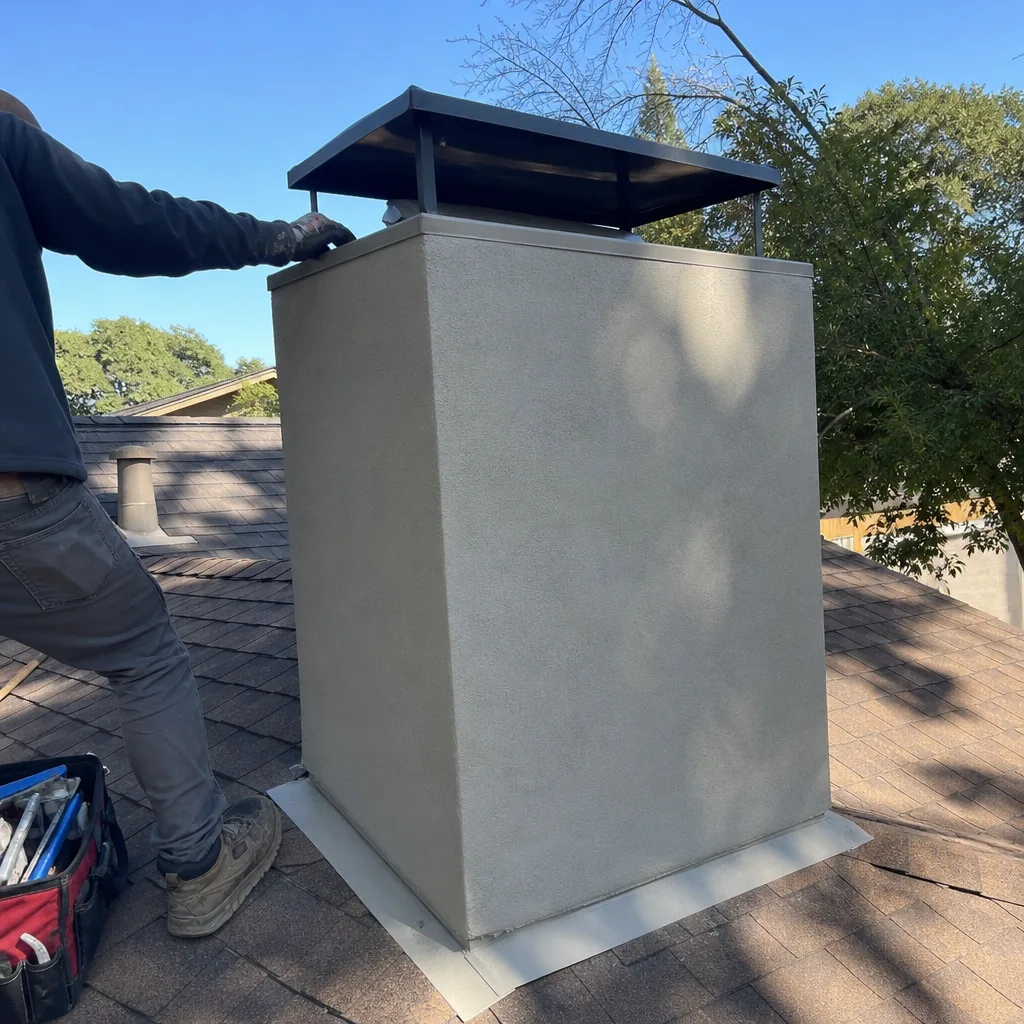
See the difference
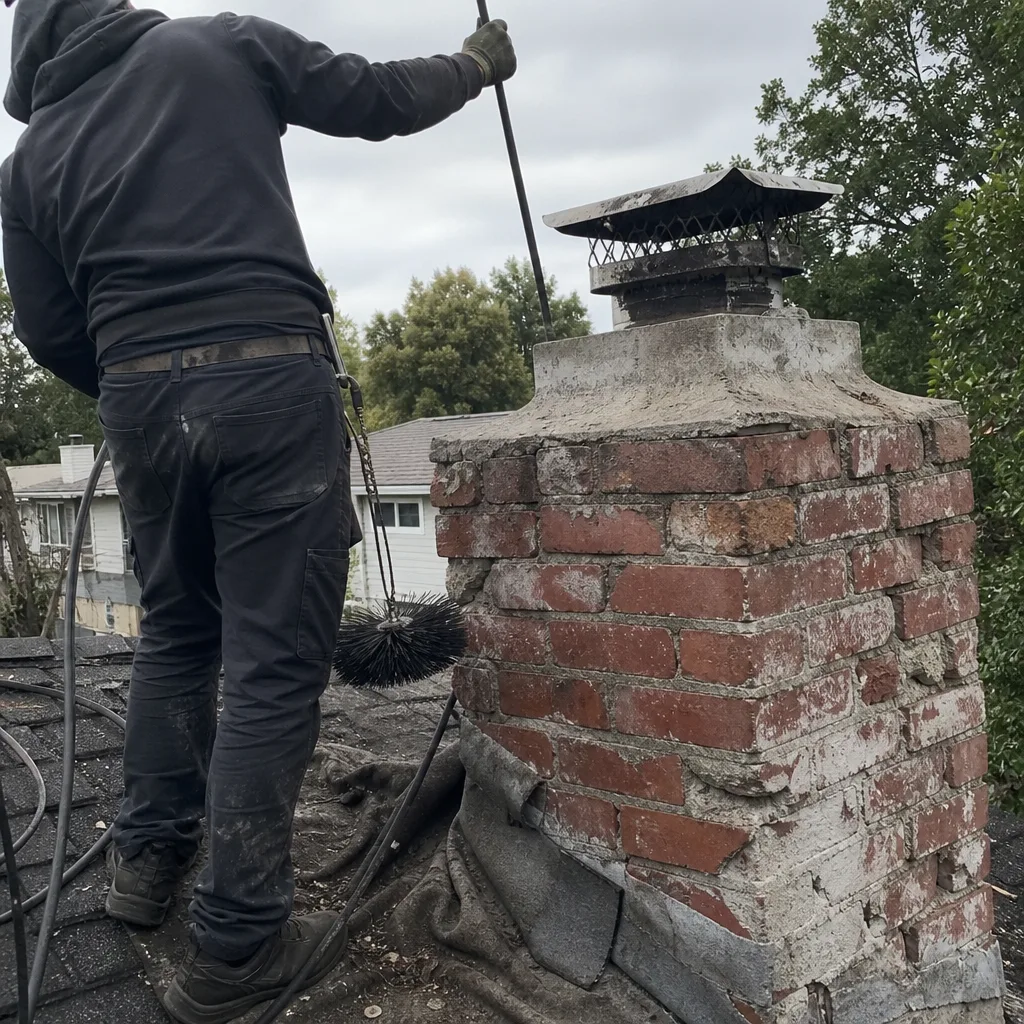 Before
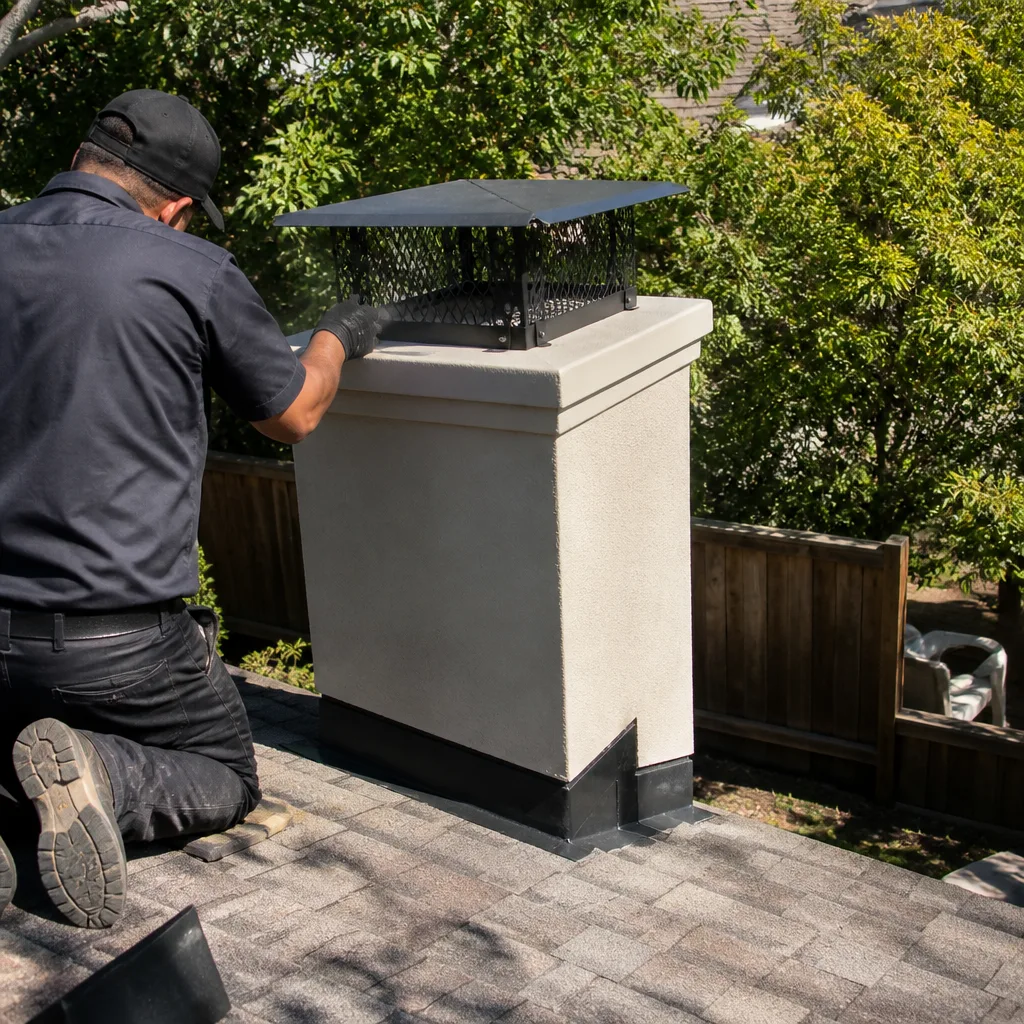 After
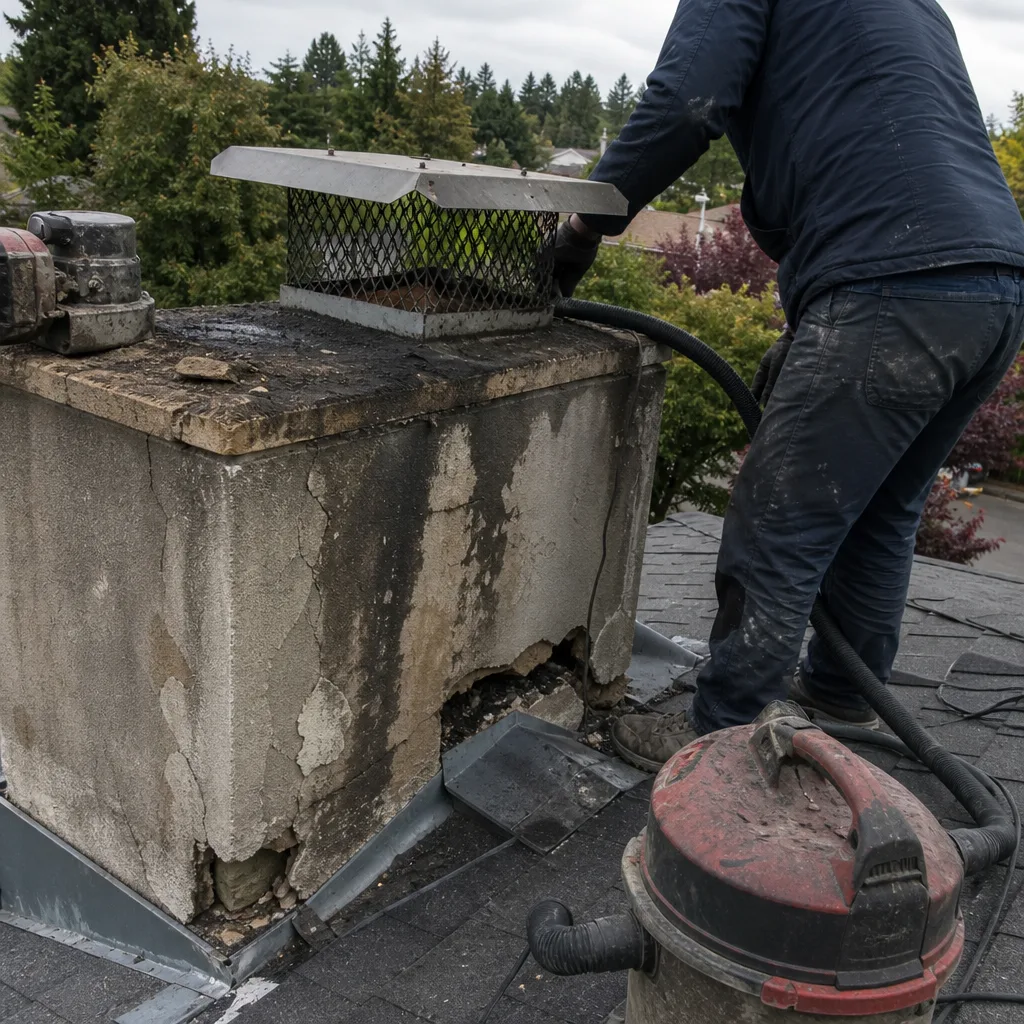 Before
 After
 Before
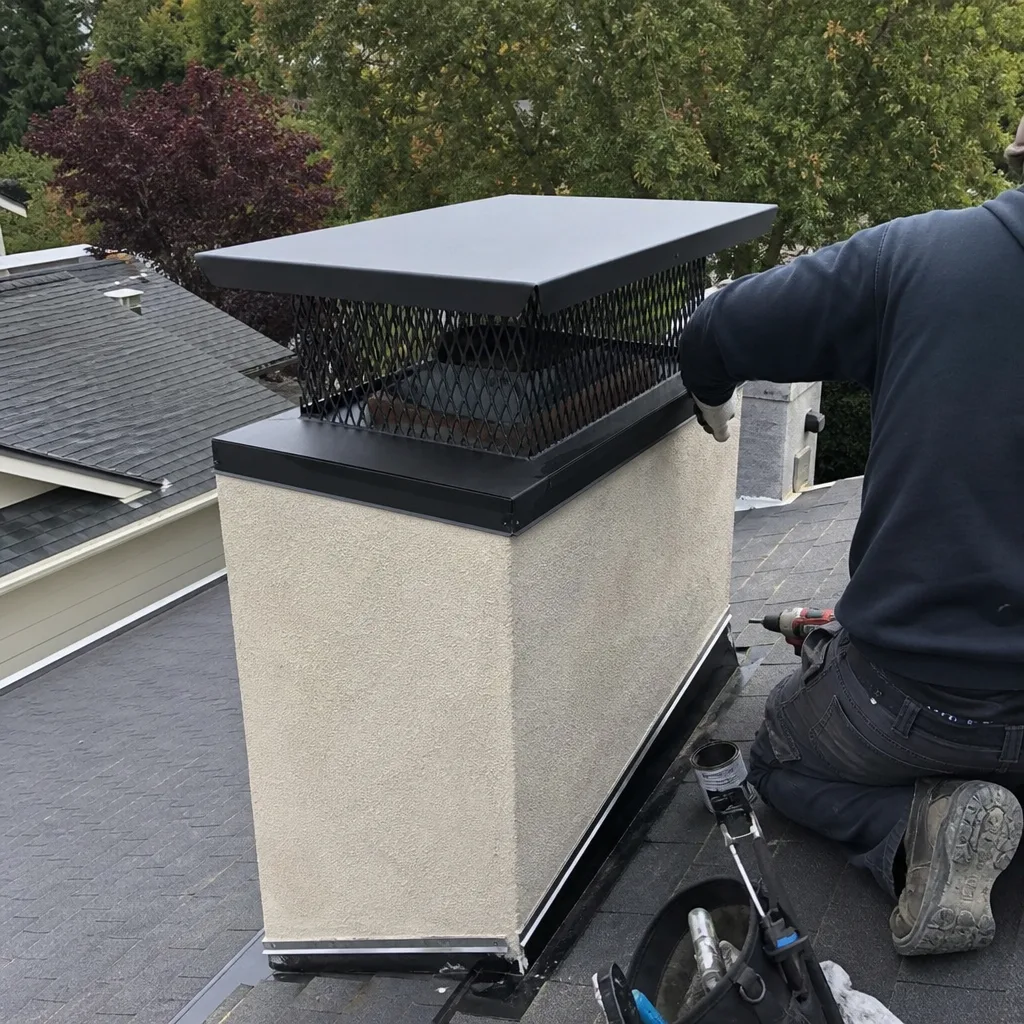 After
When to Call a Professional
Call after any chimney fire, even a small one. Call if you smell smoke or campfire odor when the fireplace isn’t in use. Call if you see shiny, glazed creosote on the firebox walls or damper. Call if your home is changing hands, either buying or selling. Call if you’ve never seen the inside of your flue on camera and you own an older Palo Alto home. Call if your dryer takes longer than 45 minutes to dry a load or if the laundry room gets hot while the dryer runs. Chimney Cleaning Palo Alto offers free estimates in Palo Alto. Call (833) 620-7463 and we’ll tell you exactly what we found, show you the evidence, and fix what actually needs fixing.
Frequently Asked Questions
A standard chimney sweep in Palo Alto typically costs between $180 and $350, depending on the level of inspection chosen and the condition of the flue. A camera scan adds to the visit but is the only way to verify liner condition, and we recommend it at least once every few years. Call (833) 620-7463 for an exact quote, estimates are free.
Only if the camera shows cracks, gaps, or deterioration that compromises the flue’s ability to contain heat and combustion gases. If the liner is cracked beyond repair, we’ll recommend a DuraFlex stainless steel reline. If it’s cracked but still structurally sound, HeatShield resurfacing may be the better option. We never recommend a liner repair without showing you the footage first.
In Palo Alto’s burn profile, which means occasional, short fires, sweep every one to two years at minimum, with annual inspections in between. The frequency depends on how many fires you burn and how dry your wood is. The section above on sweep schedules gives a breakdown by burn frequency.
Creosote accumulates, hardens, and becomes fuel. If a chimney fire ignites, it can reach 2,000 degrees and crack the flue, damage the masonry, and send flames into the house structure. In the best case, you pay more for repair than you saved by skipping sweeps. In the worst case, you don’t get the chance.
Gas produces far less creosote than wood, but gas venting still requires maintenance. Condensation, debris, and corrosion can block the flue or damage the liner over time. Have gas venting checked every two years, and get a Level II inspection when you convert from wood to gas.
Because dryer vents and chimneys are both venting systems with the same failure mode: flammable material accumulates until something ignites. Our full-service approach means one visit can address your fireplace, your chimney, and your dryer vent. Call (833) 620-7463 and we’ll schedule all three in a single trip if needed.
The Bottom Line
Palo Alto’s mild climate quietly manufactures the conditions for glazed creosote: occasional fires, damp coastal wood, and flues that rarely reach proper operating temperature. The standard sweep schedule doesn’t capture that risk. A chimney burned five times a winter can be more dangerous than one burned fifty times in a colder state. The fix starts with looking, which means a camera scan, not just a brush. If the flue is damaged, options like DuraFlex and HeatShield exist precisely for this moment. If the dryer vent hasn’t been cleaned in years, that’s a second fire hazard waiting in the wall. One company can address all of it. Call (833) 620-7463 and find out what’s actually inside your chimney this season.