
Last updated November 2, 2026
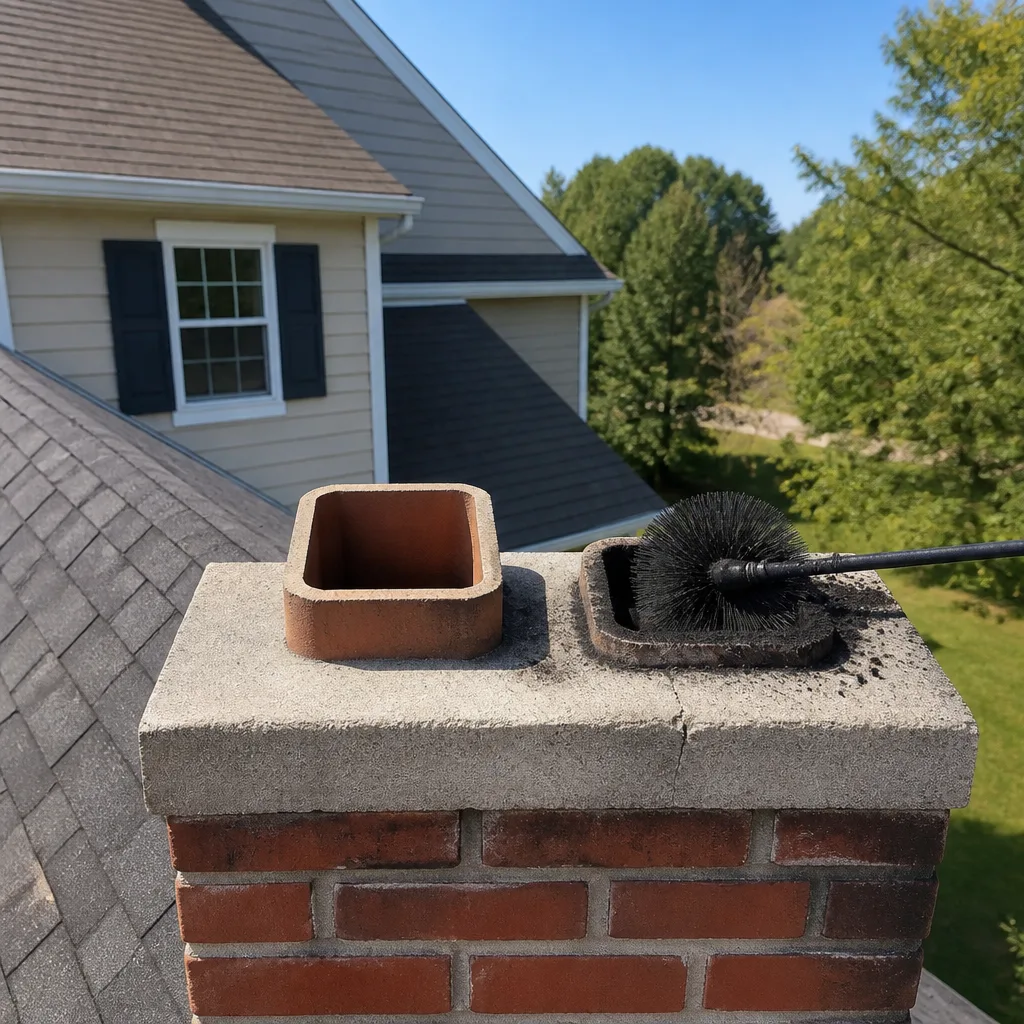 Sweep & inspection
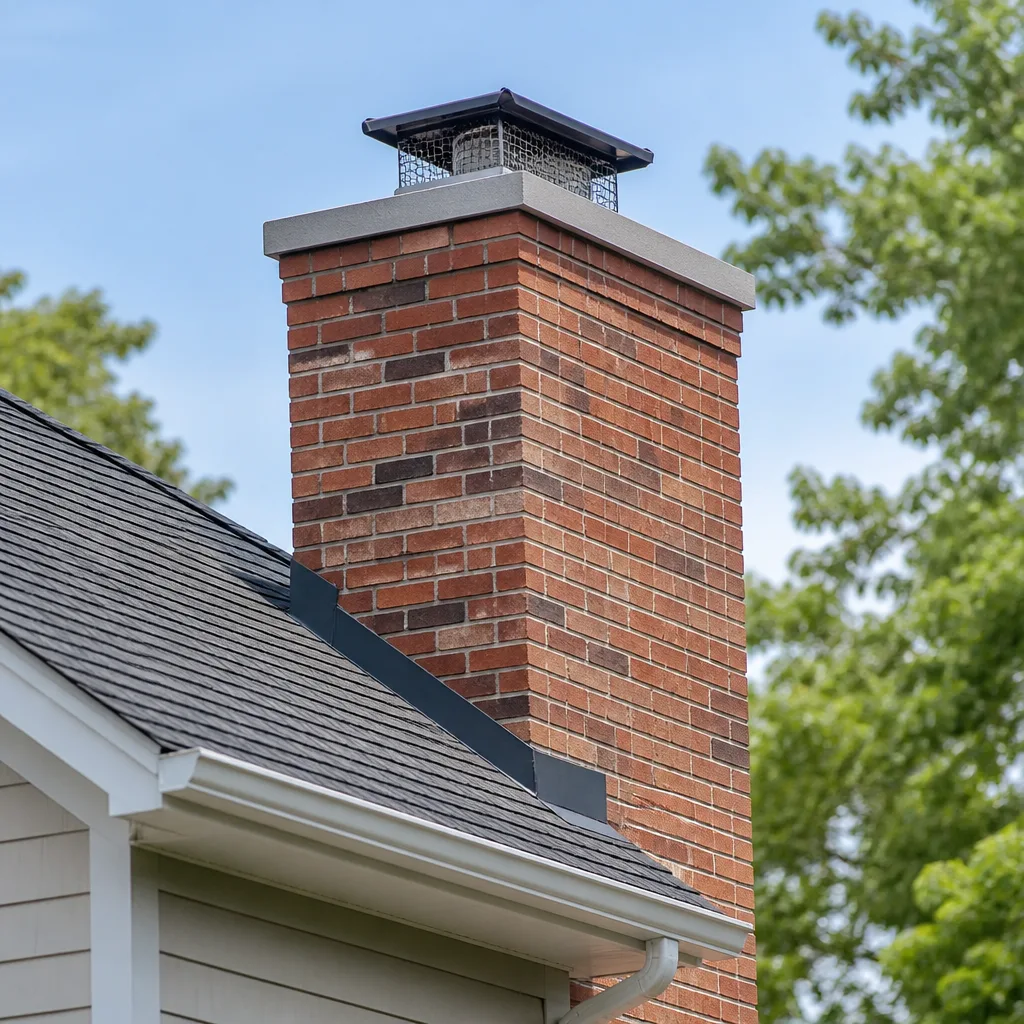 Caps & crowns
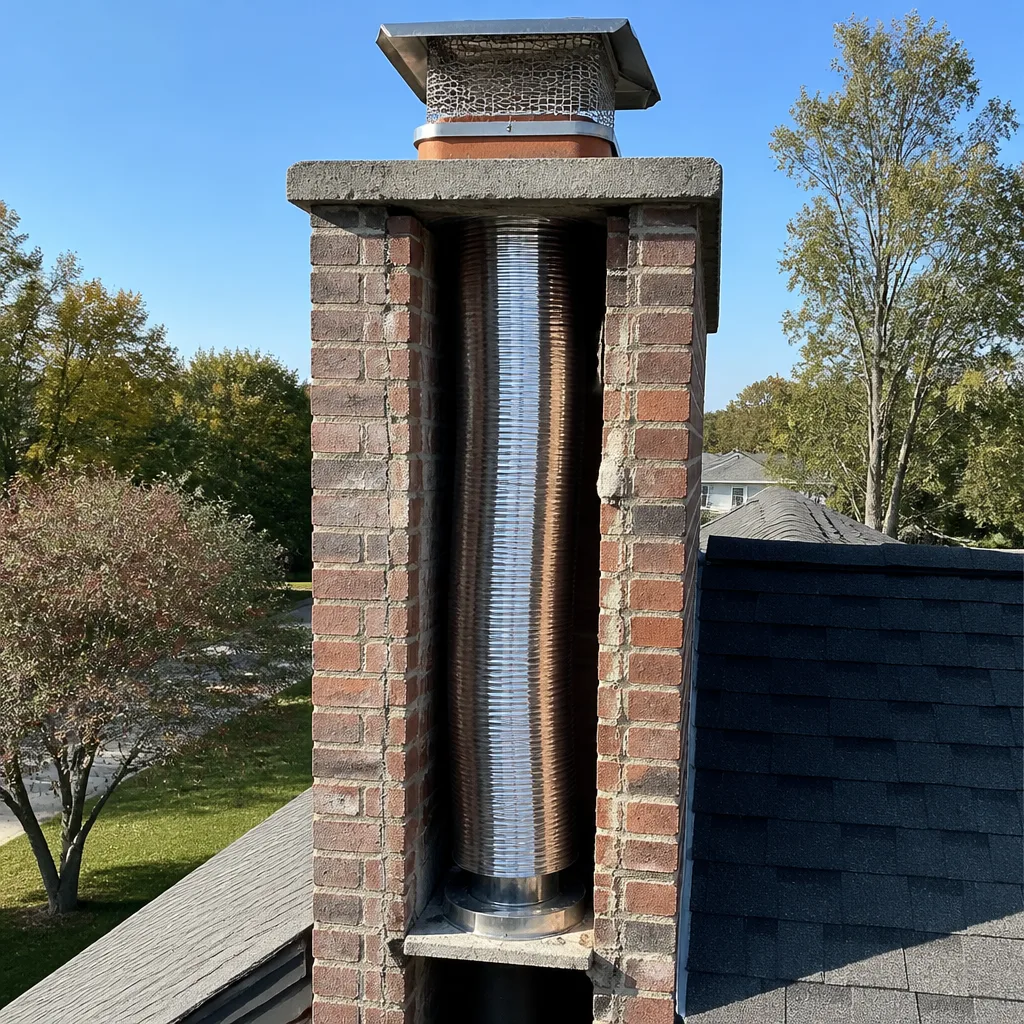 Flue relining
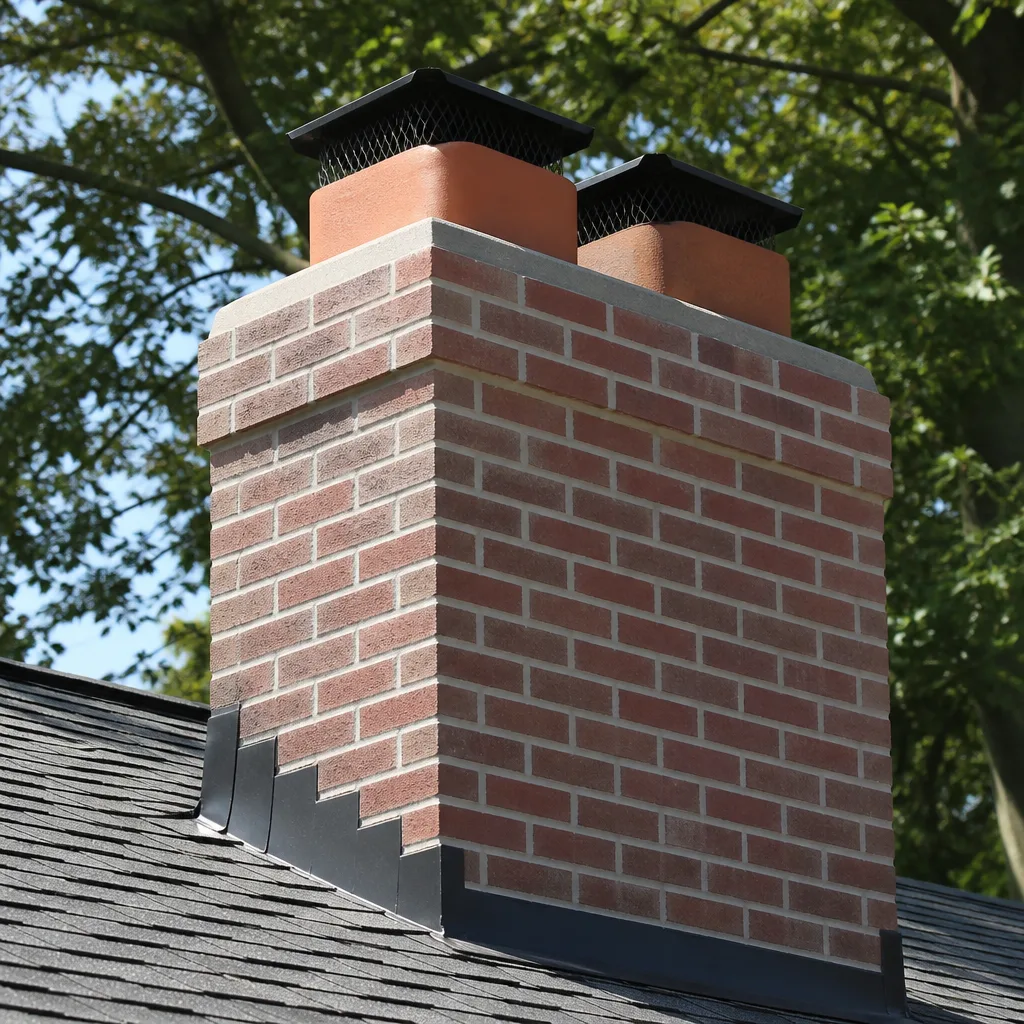 Masonry repair
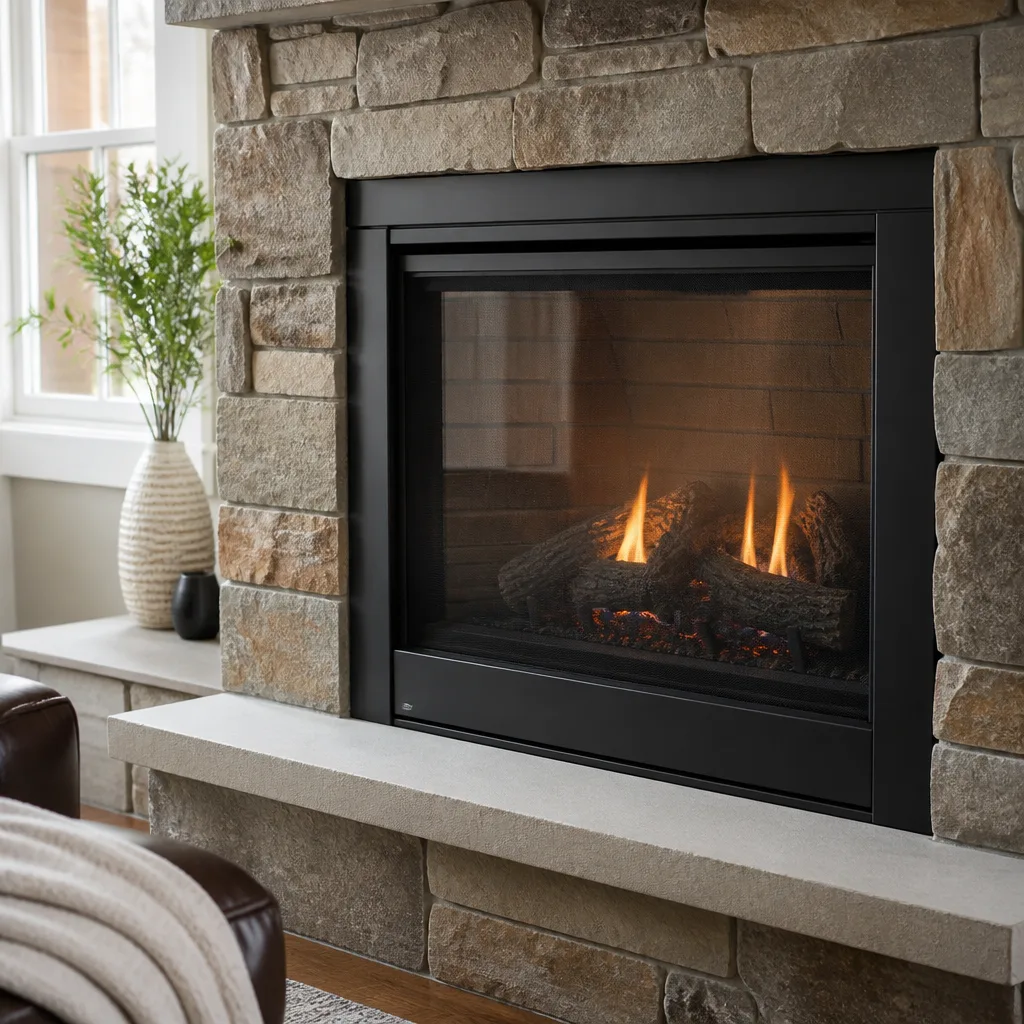 Gas fireplace service
Level 1 sweep and inspection to the NFPA 211 annual standard - flue, crown, cap, and flashing checked and photographed
Chimney sweep logs do not sweep chimneys. They loosen some creosote - which then falls where a brush and vacuum still have to collect it.
Chimney Cleaning Warning Signs: A Palo Alto Homeowner’s Reference Guide
A white powdery stain on your chimney’s exterior isn’t a painting problem. It means water is moving through your masonry, carrying dissolved salts outward, and the source is almost always a failed crown or cap that’s been leaking for at least one full season. In Palo Alto, where older Eichlers and mid-century ranch homes mix with newer builds, we see this exact scenario play out in neighborhoods from Crescent Park to Barron Park every single year. This guide walks you through what each warning sign actually means at the component level, how long it’s been developing, and what it costs to ignore.
Styles & brands we work with
- Sweep & inspection
- Caps & crowns
- Flue relining
- Masonry repair
- Gas fireplace service
Quick Answer
Chimney warning signs in Palo Alto homes fall into five categories: white staining (efflorescence) indicating water intrusion through a failed crown or cap, rust streaks signaling a deteriorating damper or firebox component, spalling brick or flaking mortar meaning freeze-thaw damage has already begun, smoky odors in summer pointing to creosote buildup or airflow problems, and draft issues that indicate anything from a dirty flue to a damaged liner. Most of these signs have been developing for one to three years before a homeowner notices them, and each one maps to a specific repair path; our Chimney Sweep Troubleshooting: Common Problems and How to Fix Them covers how to diagnose each issue.
Table of Contents
- White Staining (Efflorescence): What It Actually Means
- Rust Streaks and Discoloration: Reading the Metal Components
- Spalling Brick and Flaking Mortar: Freeze-Thaw Damage in Palo Alto
- The Summer Smoky Smell: Creosote, Airflow, and What’s Happening Inside
- Draft Problems: When Smoke Enters the Room
- Inside the Firebox: Liner Deterioration Signs You Can See Without a Camera
- Repair Now vs. Schedule Within 60 Days: A Prioritization Framework
- Common Mistakes to Avoid
- When to Call a Professional
- Frequently Asked Questions
- The Bottom Line
White Staining (Efflorescence): What It Actually Means
Efflorescence is the technical term for that chalky white deposit you see on brick or stone surfaces. It’s not mold, and it’s not a surface stain you can simply scrub away and forget about. What you’re seeing are dissolved mineral salts that water has carried through your chimney’s masonry. When the water reaches the surface and evaporates, the salts crystallize and remain behind.
Here’s what that tells us during a Chimney Cleaning Palo Alto home inspection: water has been moving through your chimney structure long enough to dissolve minerals from the mortar, carry them outward, and leave visible deposits. That process doesn’t happen overnight. By the time efflorescence is visible on the exterior, water has typically been infiltrating for at least one full wet season, and in many Palo Alto homes we inspect, it’s been two or three.
The source of that water is almost always one of three components:
- Failed chimney crown: The concrete slab at the top of the chimney develops hairline cracks over time. Palo Alto’s wet winters and dry summers cause expansion and contraction cycles that widen those cracks year after year.
- Missing or damaged chimney cap: A cap with rusted-out mesh or a missing lid lets rain fall directly into the flue, where it soaks into the masonry from the inside.
- Deteriorated flashing: The metal where the chimney meets the roof is a common failure point, especially on older Palo Alto homes with original flashing.
The repair path depends on the source. If it’s the crown, we typically recommend resurfacing with a proper crown-coat system rather than patching, since patch compounds crack within a season or two. If it’s the cap, replacements using professional-grade components from brands like Olympia Chimney or Copperfield give you a cap that actually keeps water out for decades; see our guide on Choosing the Right Chimney Cleaning Brand: A Buyer’s Guide for Palo Alto for details. We stock Gelco caps specifically because they hold up to the kind of seasonal moisture cycling we get here in the Bay Area.
Rust Streaks and Discoloration: Reading the Metal Components
Rust streaks running down the chimney exterior, or rust stains visible on the firebox floor, tell you something specific: a metal component inside or on top of your chimney is actively corroding and sending oxidized water downward. The location of the rust tells you which component is failing.
Rust streaks on the exterior face, especially below the cap area, usually mean the chimney cap itself has lost its protective coating. Entry-level caps from big-box stores often rust through within three to five years in coastal-adjacent climates like Palo Alto’s, where morning marine layer moisture accelerates corrosion.
Rust stains inside the firebox, particularly around the damper assembly, tell a different story. Your damper is exposed to every rain event that makes it past the cap, and it’s also in the direct path of acidic flue gases when you burn wood. A damper that shows significant rust is usually on its way to seizing entirely, which will eventually make your fireplace difficult or dangerous to use.
We also see rust on gas fireplace components in Palo Alto homes, particularly around the burner and log set when a cap has been missing for an extended period. That rust isn’t just cosmetic. On gas units, corroded burners can produce incomplete combustion, which introduces carbon monoxide into the home. If you see rust around a gas insert, that’s a repair-before-next-use situation, not a schedule-it-when-convenient one.
Spalling Brick and Flaking Mortar: Freeze-Thaw Damage in Palo Alto
Spalling is what happens when water inside the brick itself freezes and expands, causing the brick face to flake, crack, or crumble away. You’ll see pieces of brick on the ground near the chimney, or you’ll notice that the surface of the brick looks uneven, with some areas recessed where the face has broken off.
It surprises many Palo Alto homeowners that freeze-thaw damage happens here. It doesn’t get cold enough to freeze solid, they assume. But the temperature range matters more than the depth of cold. Palo Alto winters frequently dip into the high 20s and low 30s overnight, especially in the foothill-adjacent areas near the Dish and off Page Mill Road. When daytime temperatures climb back into the 50s, the freeze-thaw cycle completes. Over a few seasons, that cycle slowly destroys any brick or mortar that has moisture trapped inside.
Flaking mortar is an earlier warning sign. If you can rub mortar joints with your finger and feel grit come loose, the mortar has lost its binding strength. Left unchecked, those joints open up further, letting in more water, which accelerates the spalling process.
By the time visible spalling occurs, repairs often involve more than repointing. We frequently find that the brick face has separated from the underlying structure, which requires selective brick replacement along with mortar work. The good news for Palo Alto homeowners is that when we do this type of repair, we match both the brick type and the mortar color to the original structure, preserving the look of mid-century and craftsman-style homes throughout the city.
The Summer Smoky Smell: Creosote, Airflow, and What’s Happening Inside
The smell of last winter’s fires creeping into your living room during a warm Palo Alto August afternoon isn’t just unpleasant. It’s a direct signal that your chimney is not ventilating properly and that creosote deposits inside the flue are substantial enough to off-gas when the house is closed up for air conditioning.
Here’s the mechanism. During the summer, outdoor temperatures rise and indoor air (cooled by AC) is denser. That temperature differential creates a reverse draft in the chimney. Air flows downward, picks up the creosote smell, and pushes it into your living space. The stronger the smell, the thicker the creosote layer usually is.
Creosote is the byproduct of incomplete wood combustion, and it builds up at different rates depending on what you burn and how you burn it. Unseasoned wood (which we see a fair amount of in Palo Alto, where people sometimes grab whatever is cheap from roadside sellers) creates significantly more creosote than properly dried hardwood. Burning with a restricted air supply, which happens when a damper is partially closed to “make the fire last longer,” also drives heavier creosote formation.
The fix starts with a Chimney Sweep in Palo Alto that removes the creosote mechanically, not just with brushes that leave behind a glaze. In our experience, Palo Alto homes with a summer smoke smell often have glazed or third-degree creosote that requires rotary cleaning tools to remove completely. After the sweep, we verify the airflow problem is resolved by checking the damper function and flue clearance. If the smell persists after a proper cleaning, the issue is usually a negative pressure problem in the house itself, often tied to kitchen exhaust fans or whole-house fans common in mid-century Palo Alto ranch homes.
Draft Problems: When Smoke Enters the Room
A fireplace that spills smoke into the room on a regular basis is telling you something specific about airflow, and it’s not always what you think. Most homeowners assume a smoking fireplace means a blocked flue. Often, it’s something else.
We classify smoking fireplaces into three root causes:
- Competition for air: In tighter Palo Alto homes with modern windows and weather sealing, the fire can’t get enough combustion air from the room. When you add a kitchen hood vent or a bathroom fan running during a fire, that negative pressure pulls air down the chimney instead of up. The fix here often involves understanding your specific home’s airflow, and in some cases adding a dedicated outside air source for the firebox.
- Damper or smoke chamber problems: A damper that doesn’t open fully (often due to rust or buildup on its track) restricts the flue opening. A smoke chamber with ledges and angles that catch smoke instead of channeling it upward creates turbulence that spills smoke back into the room. We see this frequently in Palo Alto fireplaces built before modern smoke chamber standards were adopted.
- Flue obstruction or liner damage: This is what most people assume, and it does happen. Bird nests, dead animals, collapsed liner sections, or heavy creosote narrowing the flue all reduce draft. The difference is that a true obstruction usually causes smoking to worsen over time, while damper and pressure issues tend to be more consistent from fire to fire.
For a quick at-home diagnostic: if the fireplace has always smoked slightly since you bought the house, the damper or smoke chamber is the more likely culprit. If smoking began recently and has gotten worse with each fire, suspect an obstruction. Either way, you’ll want a chimney professional to confirm before your next burn season.
Inside the Firebox: Liner Deterioration Signs You Can See Without a Camera
You don’t need a camera inspection to spot possible flue liner problems. Several warning signs are visible from inside the firebox if you know what to look for. We recommend doing this check twice a year, once before burn season and once after.
What to look for inside your firebox:
- Flaking or missing firebrick surfaces: The firebrick lining your firebox protects the surrounding structure from direct flame temperatures. When those bricks crack or their faces flake away, heat is reaching materials that were never designed to handle it.
- Debris at the bottom of the flue: If you’ve noticed small pieces of terracotta or mortar accumulating on the smoke shelf or firebox floor, your clay tile liner is likely cracking somewhere above. Those pieces have to come from somewhere.
- Visible gaps or offset sections when you look up: If you can see a visible misalignment between flue tile sections as you look up from the firebox, that’s a structural problem. It means the liner has shifted, usually due to settling, earthquake movement, or freeze-thaw expansion.
- White or gray staining inside the flue tiles: This indicates water running through the flue from above, which accelerates liner deterioration and can indicate your cap is no longer doing its job.
For homeowners whose flue tiles show signs of deterioration, we offer two repair paths. When the liner is still structurally intact but has surface erosion, HeatShield resurfacing can restore the inside of the flue to a smooth, sealed condition without removing the old tiles. When the damage is too extensive for resurfacing, we install DuraFlex flexible liner systems, which are the standard for relining chimneys with damaged or inadequate flues. Both approaches beat the alternative, which is a full chimney rebuild.
Repair Now vs. Schedule Within 60 Days: A Prioritization Framework
Not every warning sign requires the same response time. Here’s how we help Palo Alto homeowners think about urgency when a Chimney Repair in Palo Alto inspection turns up issues.
Repair before next use:
- Any sign of liner damage if you burn wood or use a gas fireplace regularly. A compromised liner is the difference between a controlled fire and a chimney fire that can spread into your home’s framing.
- Rust around a gas fireplace’s burner or log set. Incomplete combustion from a corroded burner produces carbon monoxide.
- Visible flue tile misalignment or missing sections. This is structural and gets worse with every heating cycle.
- A chimney fire that has already occurred, even if it seemed minor. Chimney fires cause liner damage that leaves the chimney unsafe for subsequent use.
Schedule within 60 days:
- Efflorescence that is light and limited to a small area. This is a water intrusion issue that worsens slowly over one to two years, but you don’t want to let it go through another winter wet season.
- Summer smoky odor, as long as you’re willing to have the chimney swept before your first fire of the season.
- Minor spalling or flaking mortar without structural instability. This should be addressed before the next freeze-thaw season adds another round of damage.
- Rust streaks that are cosmetic on the exterior, with no corresponding rust inside the firebox.
The pattern here is straightforward: anything involving combustion safety or structural integrity gets repaired before use. Anything involving water damage can wait until the weather window and your schedule align, but not past the next wet season.
Common Mistakes to Avoid
- Scrubbing efflorescence off without fixing the water source. The staining will return, and meanwhile the water has continued to work its way through your masonry. The stain is the symptom, not the problem.
- Assuming a gas fireplace doesn’t need chimney maintenance. Gas logs may not produce creosote, but they do produce acidic exhaust that corrodes liners and dampers over time. Gas fireplaces need annual inspection too.
- Closing the damper too tightly to “keep the heat in” during winter. If the damper isn’t fully open during a fire, you’re creating the exact conditions that produce heavy creosote buildup.
- Hiring a handyman to patch a chimney crown with roofing tar or patching compound. These materials fail quickly and don’t bond properly to the existing concrete. You’ll pay twice.
- Ignoring a dryer vent that hasn’t been cleaned in years while focusing only on the chimney. Clogged dryer vents cause more residential fires in the U.S. than chimney fires annually, and most Palo Alto homeowners have never had their dryer vent cleaned. We offer Dryer Vent Cleaning in Palo Alto as a standalone service because this hazard gets overlooked too often.
- Waiting until fall to schedule a chimney inspection. September through November is peak season for chimney work in Palo Alto, and scheduling in spring or summer gets you better appointment availability and often a more thorough inspection, since the technician isn’t racing through a full calendar.
When to Call a Professional
If you’ve noticed any of the warning signs in this guide, including efflorescence you can’t explain, rust anywhere in or on the chimney, a summer smoke smell, or a fireplace that smokes into the room, call for an inspection or consult our Chimney Sweep Maintenance Checklist for Palo Alto Homeowners. A professional will be able to locate the source, show you evidence of what’s happening, and give you a repair recommendation that matches the actual problem rather than a generic quote. In Palo Alto, our inspections are straightforward: we show you what we found, explain what it means, and give you a recommendation that’s based on what we can demonstrate, not on guesswork. Chimney Cleaning Palo Alto offers free estimates in Palo Alto, call (833) 620-7463.
Frequently Asked Questions
A standard chimney sweep in Palo Alto typically costs between $180 and $340, depending on the level of creosote buildup, whether the flue has been recently cleaned, and whether additional services like cap cleaning or damper inspection are needed. Palo Alto’s older housing stock means many fireplaces need deeper cleaning than a standard sweep if they haven’t been cleaned in several years. Call (833) 620-7463 for an exact quote, estimates are free.
The National Fire Protection Association recommends a chimney sweep and inspection at least once per year for any fireplace that sees regular use. That applies to both wood-burning and gas fireplaces in Palo Alto. If you burn more than two cords of wood per season, or if you use unseasoned wood, you likely need a second sweep mid-season.
Yes. A damaged liner doesn’t become safe just because you use the fireplace less often. When you do use it, the same risk exists: heat and combustion byproducts can reach your home’s framing through cracks or gaps in the liner. HeatShield resurfacing offers a way to restore some aging flue liners without full replacement, and we will tell you directly if that option applies to your situation or if a DuraFlex liner installation is required.
Creosote accumulates every time you have a fire, and it doesn’t break down on its own. After two or three seasons of heavy use without cleaning, enough creosote can build up to support a chimney fire. If a chimney fire occurs, the extreme temperatures can crack your flue liner, damage the surrounding masonry, and in some cases spread into the house. The cleaning you skipped at $200 has now become a liner replacement at several thousand dollars. Call (833) 620-7463 to get your chimney checked before burn season starts.
We don’t recommend it. Professional chimney sweeping requires tools and techniques that remove creosote effectively without damaging the liner, and a professional inspection includes checking components that aren’t visible from the top of the chimney. The fire hazard and structural risk simply aren’t worth the short-term savings.
Palo Alto does not have a city-specific mandate requiring chimney inspections at point of sale, but many lenders and home insurers ask for documentation of a recent chimney inspection and cleaning before closing. A pre-listing chimney inspection can also prevent a deal from falling apart when a buyer’s inspection uncovers issues you didn’t know about.
The Bottom Line
Chimney warning signs in Palo Alto homes are rarely random. White staining means water intrusion through a failed crown or cap. Rust means a metal component is corroding and sending oxidized water through your system. Spalling means freeze-thaw cycles have been working on your masonry for years. Summer smoky smells mean creosote buildup or airflow problems. And a fireplace that smokes into the room is usually a damper, smoke chamber, or pressure problem, not just a dirty flue. Each sign has been developing longer than you think, and each one has a clear repair path when you address it before the damage compounds. The best time to call was when you first noticed something off. The second best time is now. For more guides & resources, visit our blog.
Written by the team at Chimney Cleaning Palo Alto, serving Palo Alto since 2018.
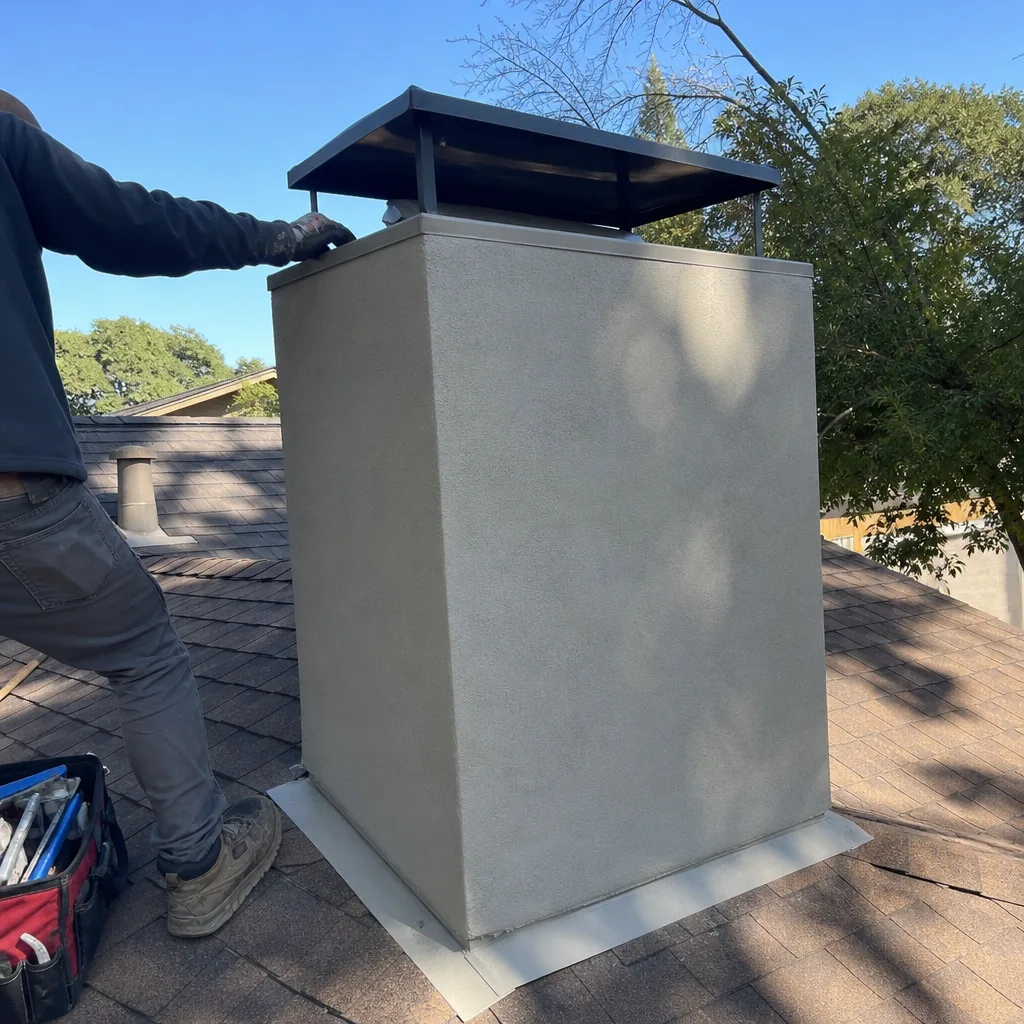
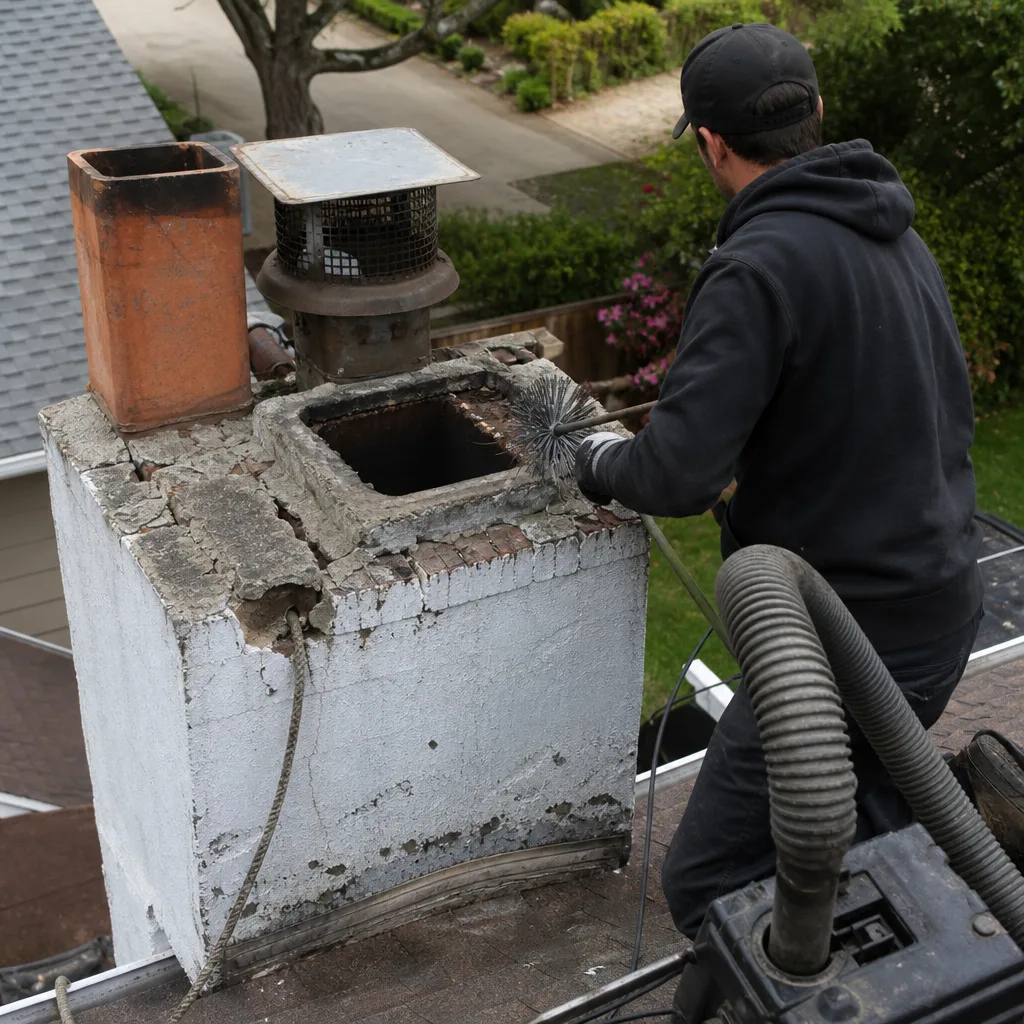
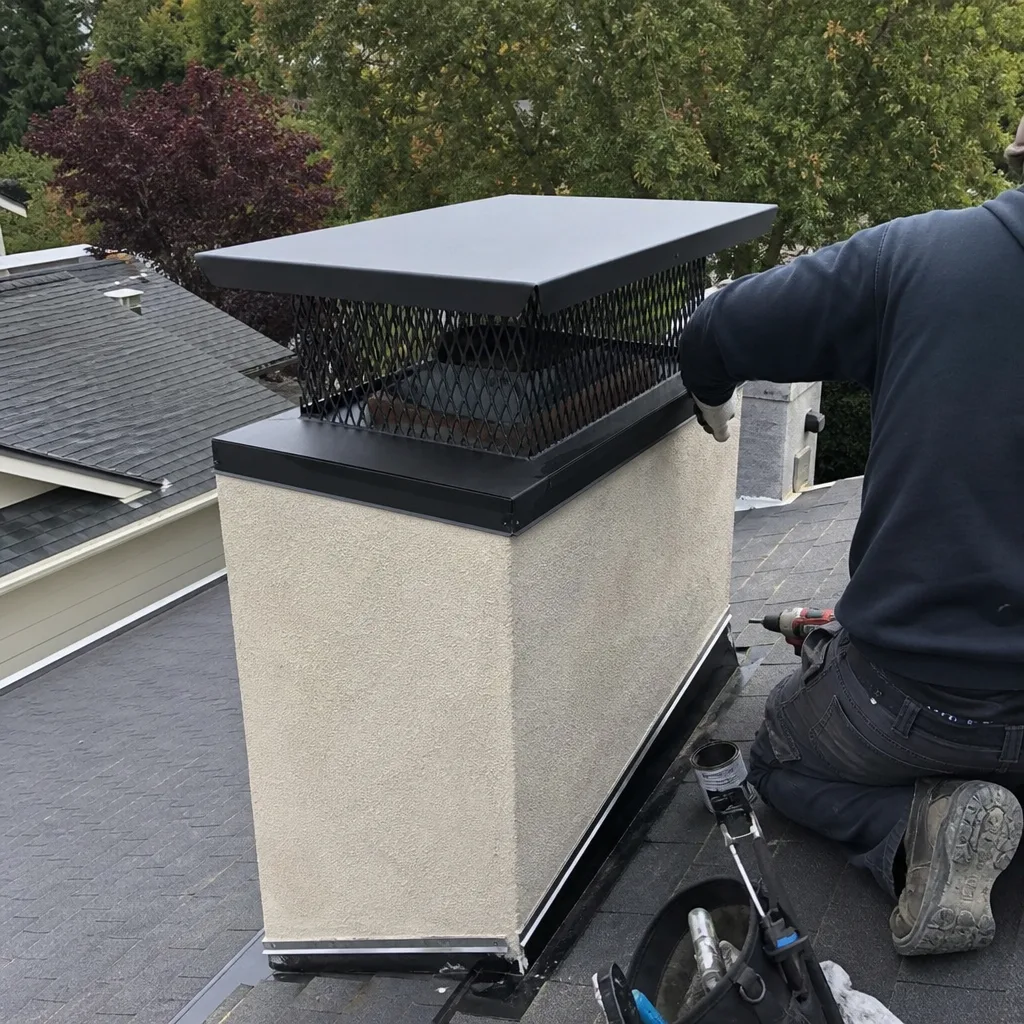
See the difference
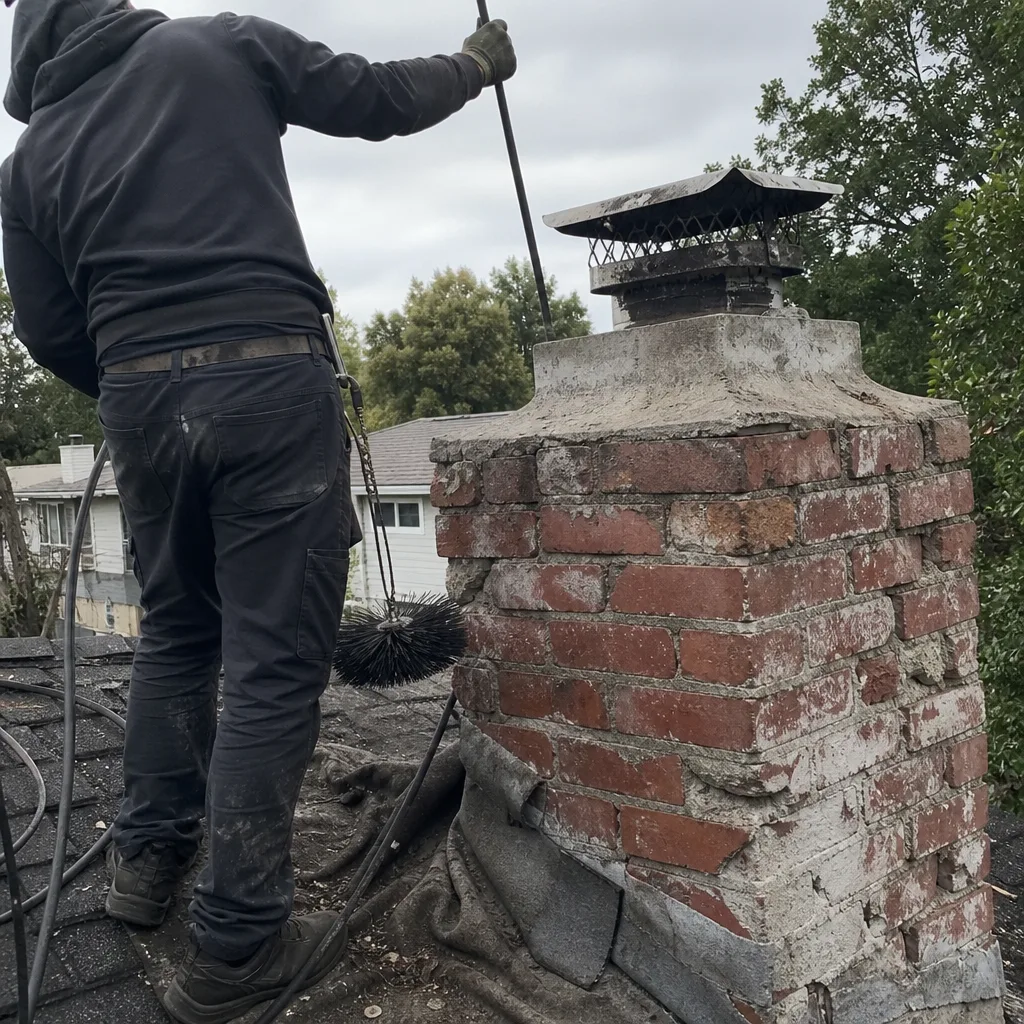 Before
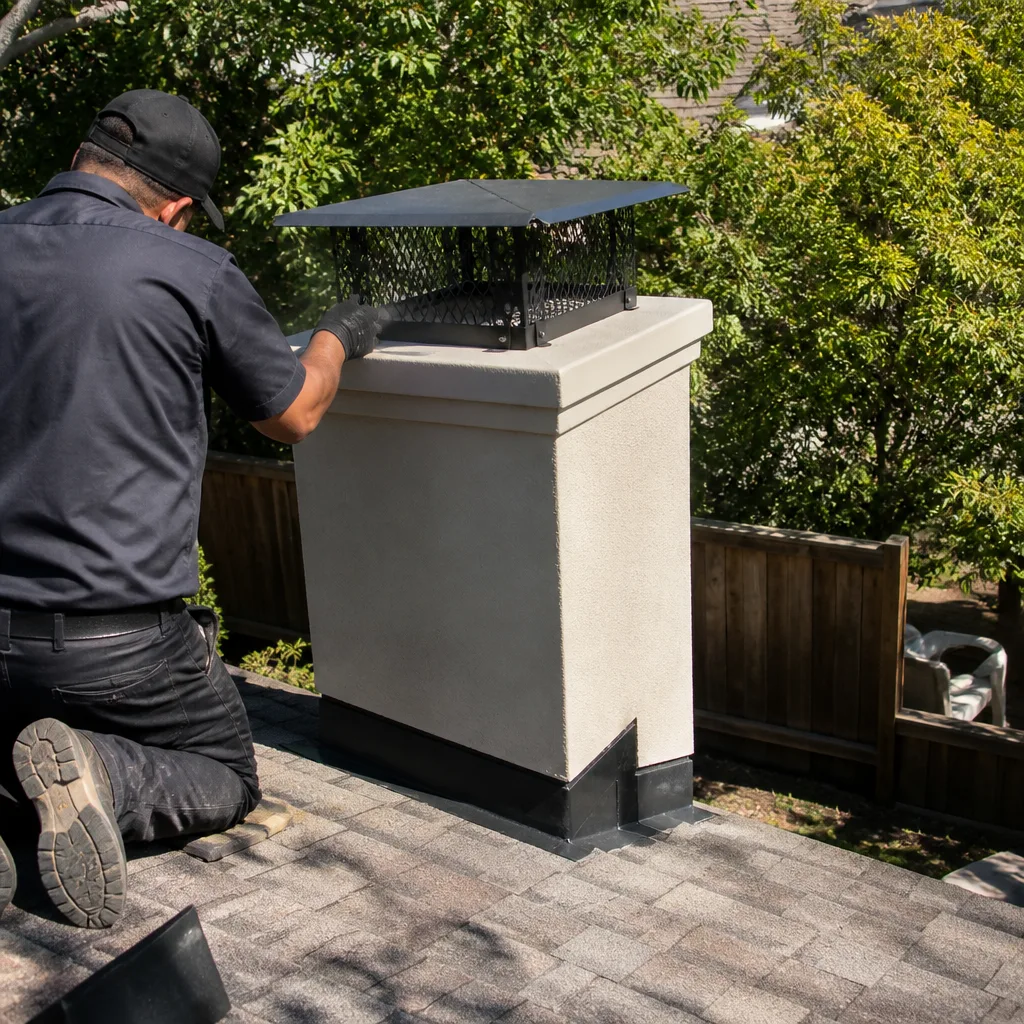 After
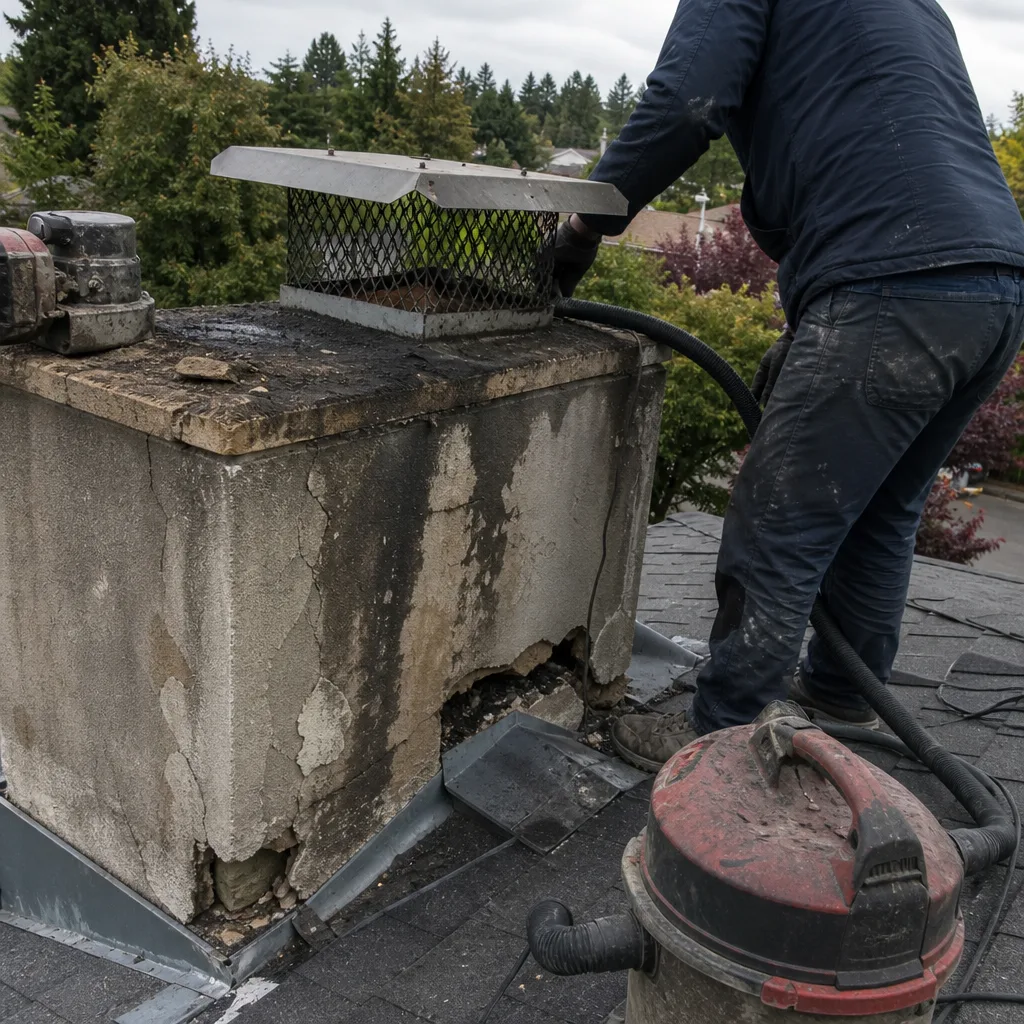 Before
 After
 Before
 After